
5 secrets of sweet and large carrots |
Growing carrots is often perceived by gardeners as a lottery: seeds may not sprout, roots may grow crooked or completely tasteless. However, growing exemplary carrots is not a matter of luck, but the result of understanding the features of this root crop.
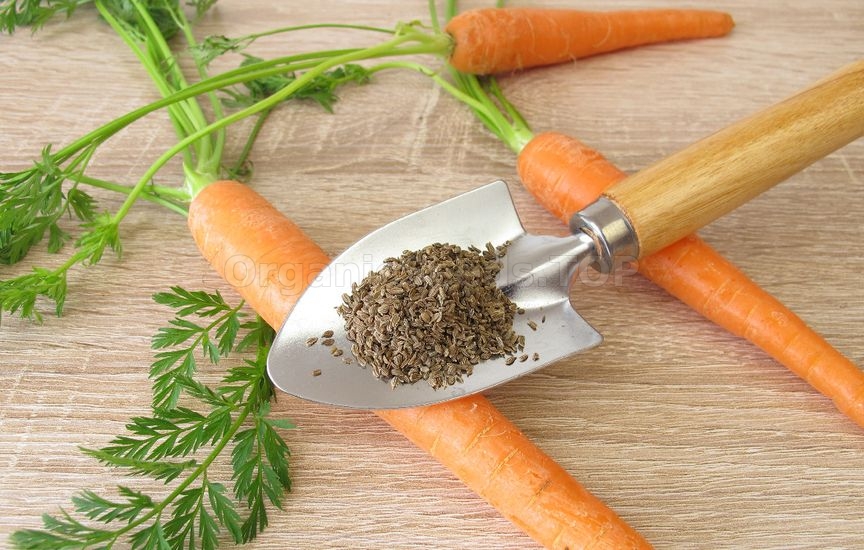 Physiologically, the process of sugar accumulation begins in the second half of vegetation. At the beginning of life, the carrot spends all resources on forming a powerful taproot and a rosette of leaves (the photosynthetic apparatus). Only when this foundation is laid does the plant begin to “pump” carbohydrates obtained in the process of photosynthesis into the root crop. If at this moment there is not enough light, potassium or water, then instead of sugars the carrot will accumulate fiber, which will make the roots hard and woody. Bed preparation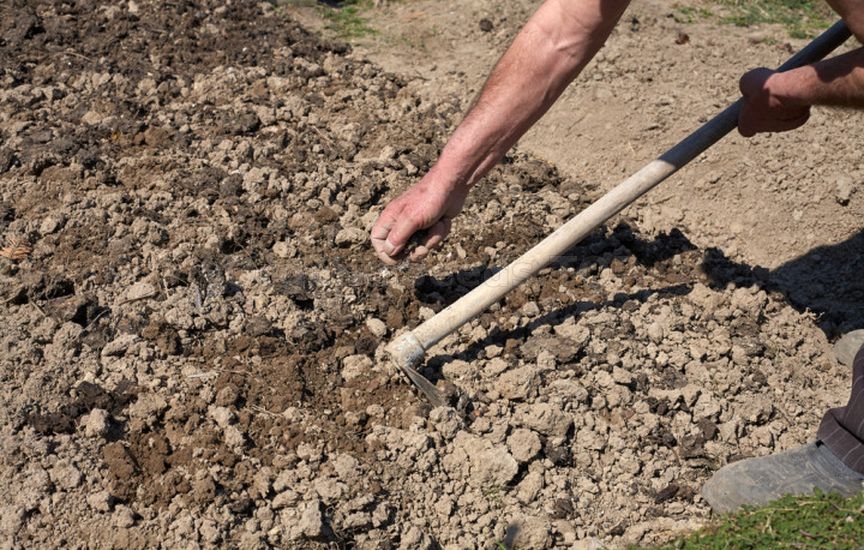 Growing the perfect carrot begins with preparing the right bed. Carrots are extremely sensitive to soil resistance. Any obstacle in the ground (a pebble, a lump of clay, undecomposed straw) forces the tip of the growing root to bend or split. Because of this, it is impossible to grow straight roots on heavy clay soil. The ideal option for carrots is soft and loose sandy loam soil. If you have heavy loam on your plot, in autumn or early spring add river sand or fermented sawdust to the carrot bed (a bucket per sq.m). Carrots also need the soil to be sufficiently nutritious and have neutral acidity. The latter is especially important, since in acidic soil roots grow with reduced sugar content. Dolomite flour helps to reduce soil acidity. Choose the brightest plot for planting carrots, since the crop requires bright light throughout the day. Preparation of the plot usually begins a year in advance, planting crops considered good predecessors of carrots: cucumbers, tomatoes, early potatoes, cabbage, garlic or onions. Before sowing them, compost or rotted manure is applied at the rate of 1.5 buckets per sq.m. Directly before sowing carrots, organic matter should not be applied, otherwise you will get weak curved roots with an unpleasant iodine taste. To increase soil fertility, in spring before sowing you can add superphosphate (3 tbsp per 1 sq.m) or ash (1 glass per 1 sq.m). Proper carrot sowing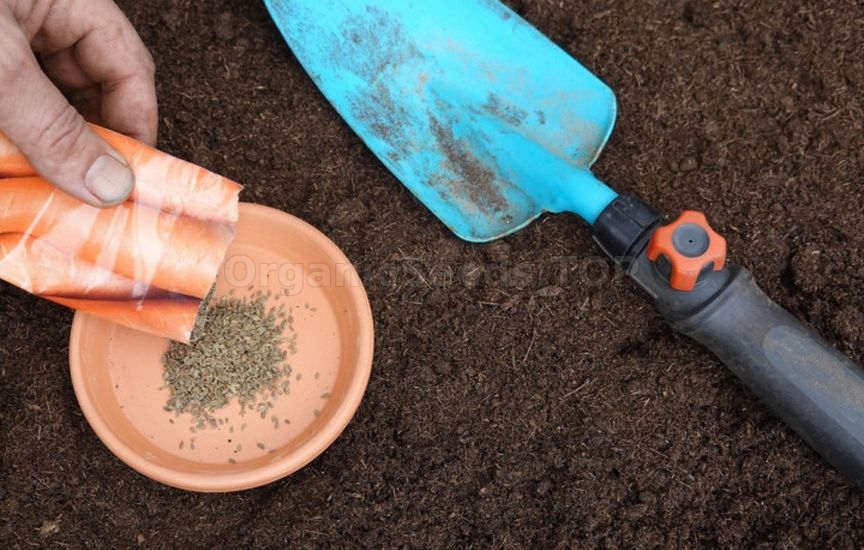 The choice of the exact date when to sow carrots depends not only on the weather. The sowing date also depends on what variety of carrot you plan to grow and how you intend to use the harvest. For example, to obtain bunch carrots and consume roots in summer, the crop is sown in early spring, as soon as the top layer of soil dries and warms up. If you plan to store the harvest for a long time, sow carrots in the second half of May when the temperature is in the range of 15–18°C. Earlier sowing is undesirable, since return frosts provoke the growth of flower stalks, which worsens the quality of the harvest and reduces storability. To protect plantings from carrot fly, sowing can even be done in June – this option is suitable for growing roots for storage. 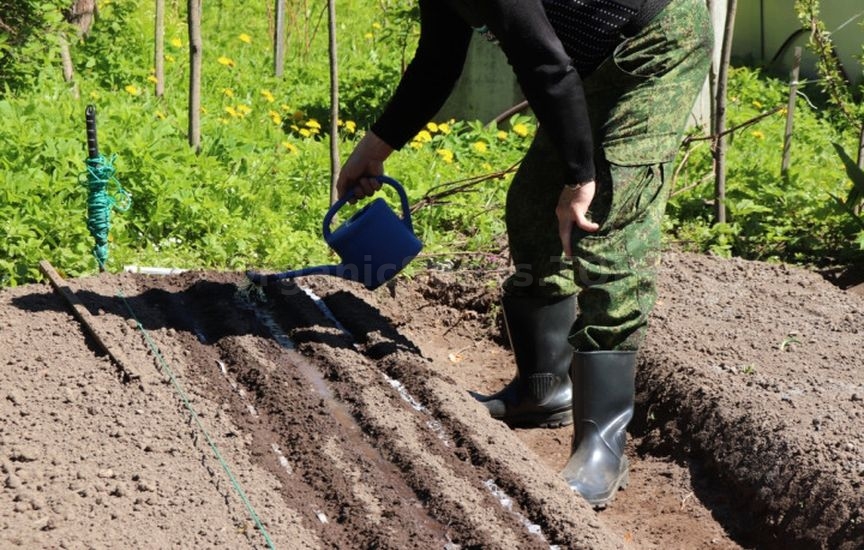 Granulated or tape-fixed seeds are sown without pre-treatment. If they are collected independently, it is recommended to carry out pre-sowing preparation. It helps to accelerate the emergence of seedlings by 5–7 days. Preparation is carried out in several stages:
Sowing carrots is carried out in warm, windless weather. The bed is pre-loosened and furrows are cut on it 2–3 cm deep. The distance between them should be at least 20 cm. In case of mixed planting (for example, with onions), the row spacing is left wide enough to comfortably accommodate the neighboring crop.
Prepared furrows are abundantly watered and seeds are sown in them. Two options are possible:
After sowing, cover seeds with loose soil, then water and – in case of early spring sowing – cover with spunbond or film until seedlings appear.
Watering and fertilization regime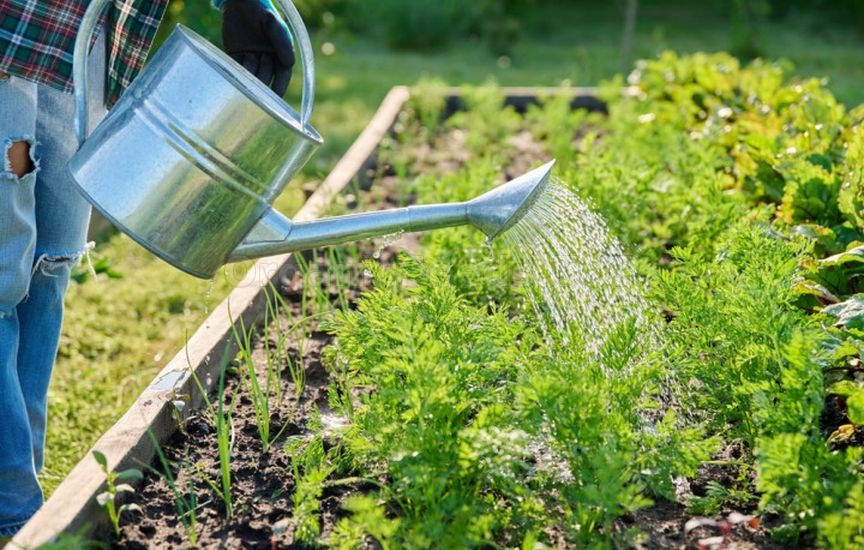 The main secret of carrot sweetness is the correct moisture regime. Without sufficient watering, roots lose freshness, density and become bitter. However, excessive moisture also negatively affects roots. They crack, more often suffer from rot and store poorly after harvest. Therefore, moderation and stability in watering are critically important. The most responsible period begins when the root enters the phase of active growth (becomes the thickness of a pencil). Watering should be infrequent (about once every 5–7 days), but very abundant, so that moisture goes to a depth of 20–30 cm. This forces the central root to go deep for moisture, forming a long and straight root crop. Superficial watering forces carrots to produce lateral roots “in search” of water, making them hairy and tasteless. 2–3 weeks before harvest, watering is completely stopped to prevent cracking of roots and accumulation of excess moisture. As for fertilization, when grown on fertile soil carrots need only two feedings per season. The first is carried out three weeks after emergence, the second – a month after the first. Both organic fertilizers (for example, infusion of vermicompost and ash) and mineral compositions can be applied: for example, Agricola for carrots, beets, radishes, nitrophoska (30–40 g dissolved in 10 l of water) or a mixture of superphosphate and potassium nitrate (15 g and 20 g respectively per 10 l of water). When growing carrots, nitrogen fertilization is important only at the initial stage – for forming foliage. Excess nitrogen in the second half of summer will make carrots bitter and reduce their storability. Weeding and thinning carrots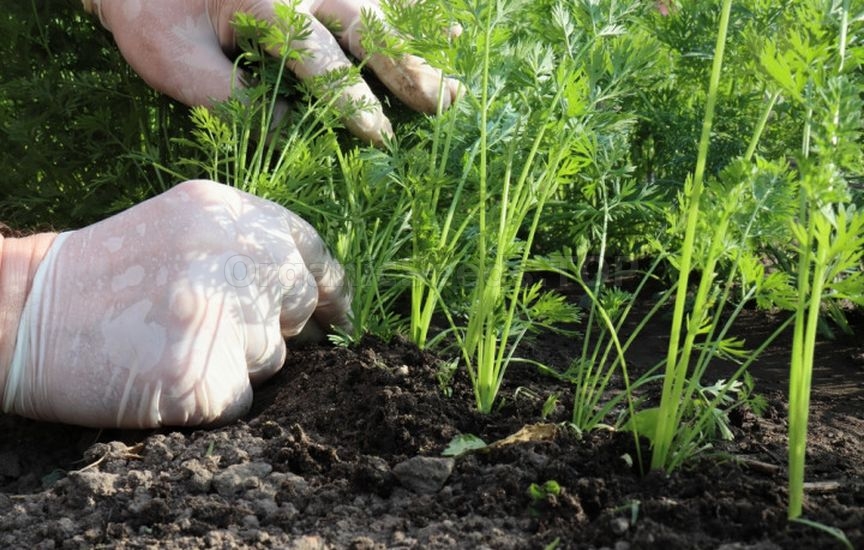 For young carrot seedlings, the greatest danger is weeds and crust formed on the soil surface after rain or watering. Both factors can seriously damage your harvest even before the first shoots appear above the soil. Adult plants also react poorly to lack of oxygen in dense soil: roots slow down in growth and deform. To prevent this, weed and loosen the bed as soon as you notice that the soil begins to overgrow with grass or becomes hard. Loosen row spacing regularly – after each watering and rain, since only in soft soil, as mentioned above, can you grow beautiful and straight roots. It is impossible to grow large and straight carrots without timely thinning, which is usually carried out in two stages. The first thinning is done when seedlings reach a height of about 5 cm. Leave gaps of 3–4 cm between plants so that seedlings can develop freely. The second thinning is done when the root diameter reaches 1 cm. This time the distance between plants is increased to 6–7 cm so that roots grow straight, even and large. Remember that the smell of pulled carrots attracts carrot fly, which is most active early in the morning and evening. Therefore, thinning (as well as weeding and other manipulations with carrots) is better done in the first half of the day, and immediately after the procedure sprinkle the bed with ash or ground pepper. Pest control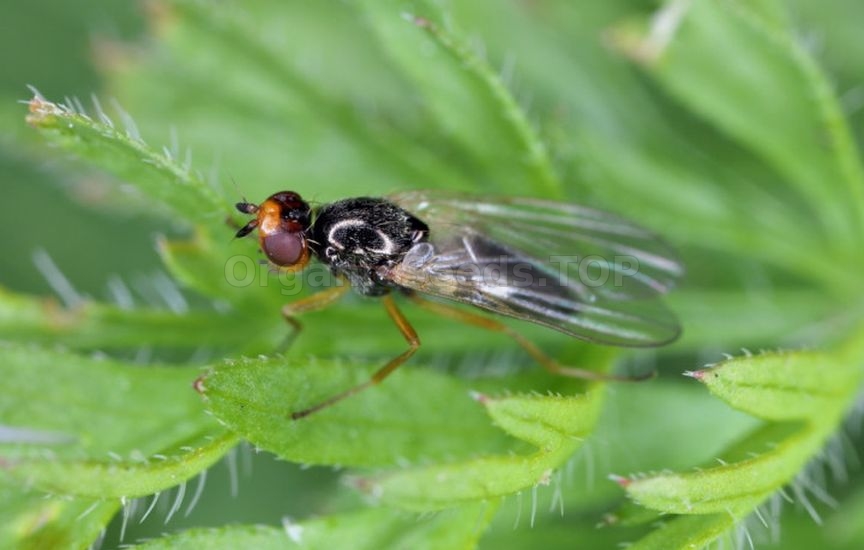 The worst enemy of carrots (as well as parsley, celery and dill) is the carrot fly. Its larvae gnaw passages in roots, making them bitter and unsuitable for storage. This harmful insect poses a serious threat to the harvest, since it is extremely difficult to detect its presence. The fly prefers to hide from sight in shady moist places during the day, and “operates” on beds early in the morning or late in the evening. If the fly settles on plantings, you will have to fight for a quality harvest, otherwise roots spoiled by larvae will only be thrown away. Experienced gardeners use a number of measures to protect plantings from carrot fly invasion.
And finally, another secret of growing carrots. Do not rush to harvest. The main accumulation of sugars occurs in September, when daytime temperatures are moderate and nights become cool. Slight cooling signals the plant that it is necessary to convert accumulated starch into sugars for better preservation. However, it is important to harvest before prolonged autumn rains, so that roots do not begin to grow again. You may need:Carrot seedsVegetable seedsOrganic fertilizers |
|
|