
Carrots, beets and parsnips: when to harvest and how not to spoil the crop during storage |
Successful wintering of vegetables largely depends on their harvesting. Too early harvesting deprives root crops of the opportunity to accumulate sugars and gain density, and delay can lead to freezing and cracking of fruits, as well as to their rapid spoilage during storage.
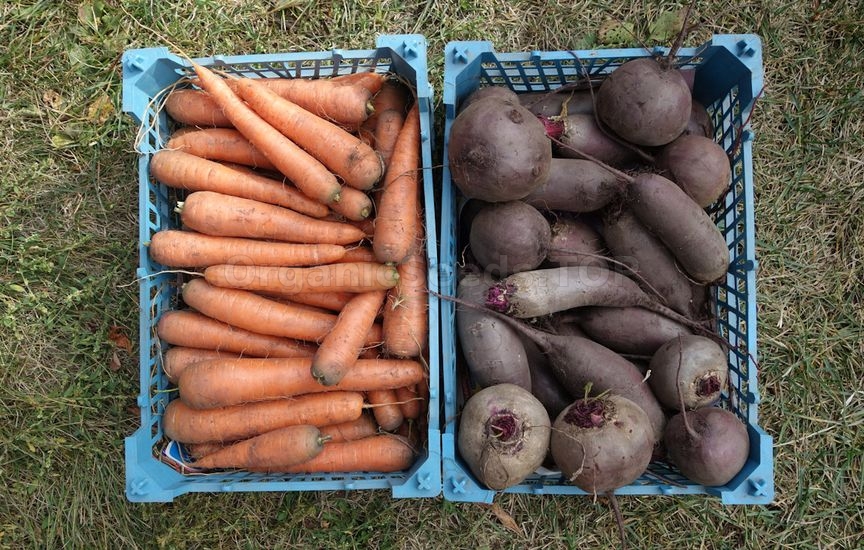 Let's take a detailed look at how to catch the ideal moment for digging up beets, carrots and parsnips and what conditions need to be created so that root crops retain juiciness, taste and vitamins during the long winter months. Time of harvesting root crops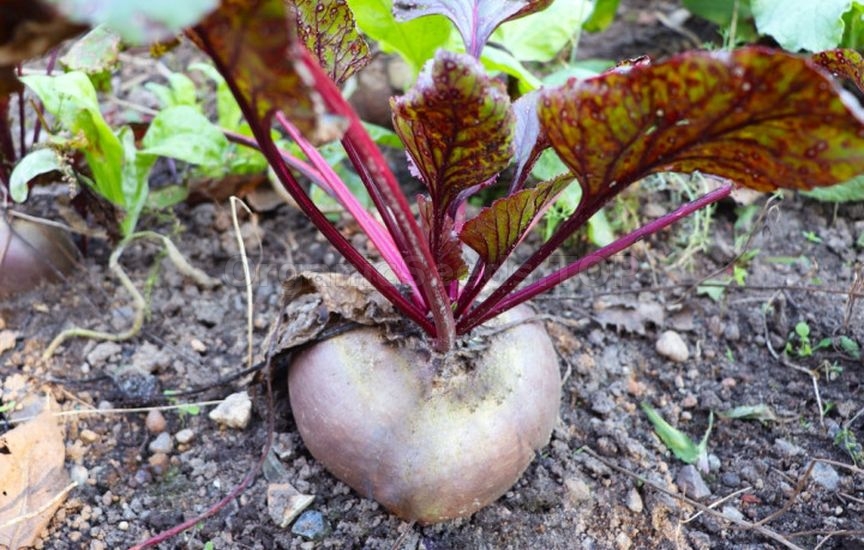 There is no universal date for harvesting carrots, beets and parsnips. The term depends on the variety, time of sowing, weather during the entire growing season, as well as on the condition of the plants themselves. Therefore, one should focus not only on the calendar, but also on the external signs of the crops. The first to come is the time of harvesting beets, because this root crop is very sensitive to autumn frosts. This is due to the fact that the rounded upper part of the beet strongly protrudes above the soil surface and is not protected by anything. Even a light morning frost can damage the delicate skin. Such fruits lose keeping quality and can rot in the first weeks of storage. Usually, harvesting of early-ripening beets begins in the second half of September, root crops of late varieties are harvested in October. One should not delay harvesting; it is important to complete all work before the first night frosts. Signs of beet readiness for harvesting are the size of the root crop and the condition of the leaves. If the beet has reached the sizes characteristic of the variety, and the lower leaves have begun to yellow and dry out, it can be harvested. Another sign is the appearance of small bumps on the surface of the root crop. Even if the weather is warm, one should not specifically overexpose root crops in the ground for the sake of increasing size: too large beets in some varieties become coarser and store worse. 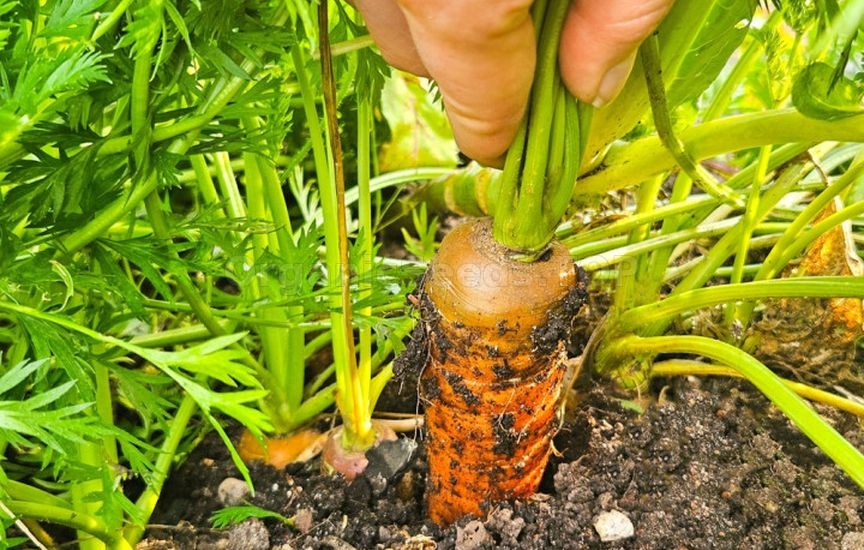 Carrots are a more hardened crop. Its root crop is completely hidden in the ground, which reliably protects it from cold, so small frosts are not terrible for this crop. Moreover, when the temperature drops, the outflow of nutrients from the tops to the root begins in the plants. Due to this, the concentration of sugars, carotene and dry substances increases in carrots, which leads to an improvement in taste qualities. The optimal time for harvesting carrots of late varieties intended for winter storage is the first half of October, when the night temperature drops to 3-4°C. Medium-ripening carrots are usually dug in late September – early October; early ones intended for summer and autumn consumption – in early autumn. The main signal for harvesting is yellowing and wilting of the lower leaves. If the tops are green, but you believe that the root crops have ripened, carefully dig up a few pieces. A ripe carrot has a rich color characteristic of the variety, and it reaches the length declared by the manufacturer. And another important sign of a ripe carrot is the presence of thin white roots on the root crop. First of all, carrots that were sown before winter are harvested, since by the middle of summer the root crops have time to ripen. And in rainy weather they begin to crack. Carrots of summer sowing are harvested last, just before frost. 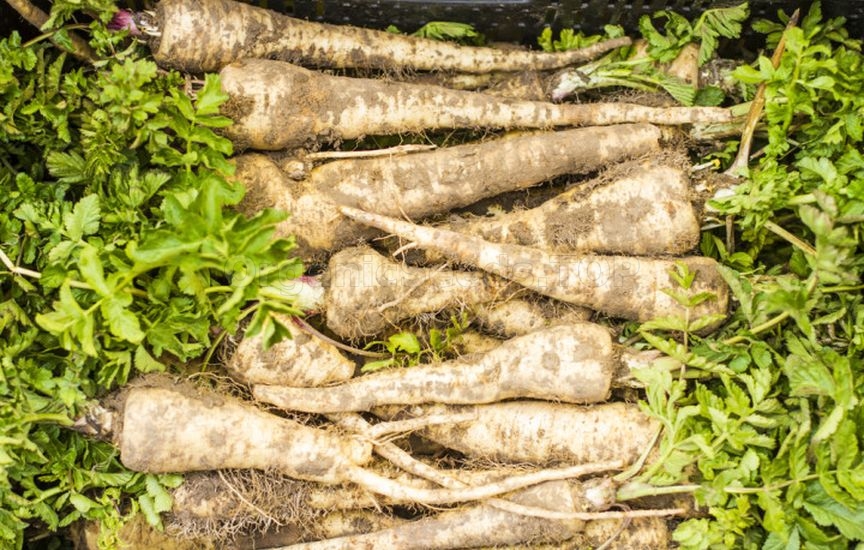 The last to «leave» the garden is parsnip, because this valuable root crop belongs to cold-resistant crops. Small frosts down to −4°C will not just harm parsnip – they are vital for it. Under the influence of low temperatures, the starch contained in root crops turns into natural sugars – fructose and glucose. From this, parsnip becomes tender, sweet and acquires its unique nutty taste. Root crops are harvested in late October – early November, shortly before persistent winter colds, without waiting for the top layer of soil to freeze. Some gardeners leave part of the crop to winter right in the soil, having previously hilled it with earth and covered it with spruce branches or straw. In this case, fresh vitamin roots are dug up in early spring, before the plant starts to grow. For all three crops, a general rule applies: if prolonged rainy weather has set in in autumn, it is better to carry out harvesting in the nearest suitable dry interval. Constantly wet soil can lead to cracking, and root crops dug out of mud are more difficult to properly prepare for storage. Sorting of the harvest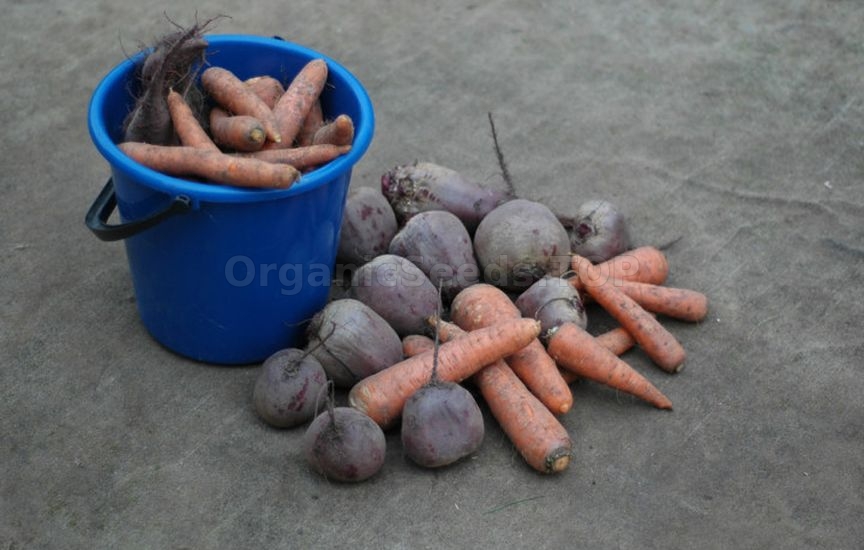 After harvesting, one should not immediately send the entire crop to the cellar. First, it needs to be carefully sorted. Only healthy, whole, dense root crops without cracks, cuts, dents, traces of pests and signs of disease are suitable for long-term storage. Too small, heavily overgrown or damaged during digging specimens are better sent for processing and used first. The place of cutting the tops is especially carefully examined. If it is wet, darkens or other damage appears, it is better not to put such a root crop together with healthy ones. Size also matters. Very large root crops often store worse than medium ones. Therefore, during sorting, it is convenient to divide the crop into at least two groups: for immediate consumption and for long-term storage. Main conditions for storing root crops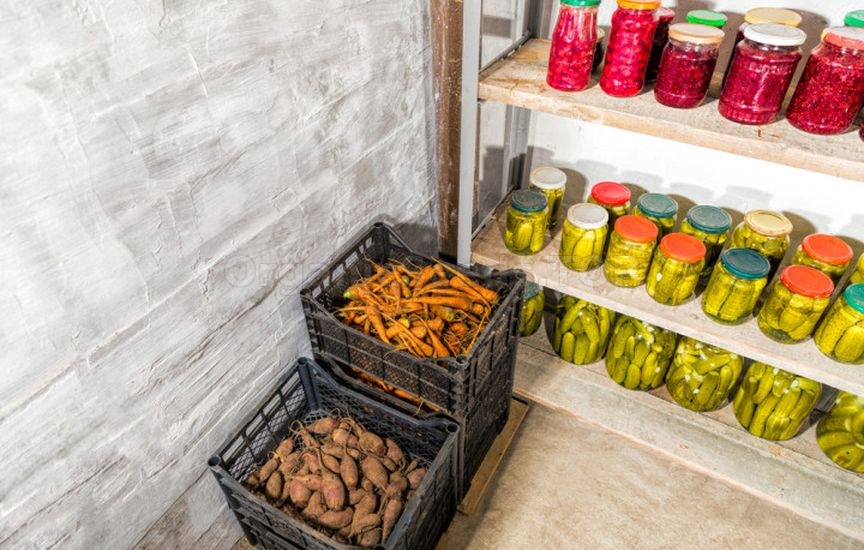 Even an ideal crop will not last until spring in a warm or too dry room. The root crop continues to «breathe» after harvesting, evaporates moisture and gradually consumes accumulated nutrients. The task of storage is to maximally slow down these processes so that vegetables remain crisp and juicy until spring. For most root crops, the optimal temperature is in the range from 0 to 2°C. Carrots are best stored at a temperature of about 0-1°C (for long-term storage up to 5°C is allowed, but the closer the temperature is to optimal, the better). For beets, approximately 0-1°C is recommended, for parsnips – the same, 0-1°C. If the temperature drops below zero, the tissues will freeze, and after thawing the vegetables will begin to rot. If it is warmer than 4°C in the cellar, the root crops will «wake up» ahead of time, the awakening of growth buds will begin, the fruits will become fibrous and bitter. The second important condition for proper storage of root crops is humidity. In too dry air, they quickly lose water, become soft and wilted. Excessive dampness also does not benefit them: condensate appears on the surface of the fruits, and with it the risk of mold and rot increases. For carrots at a temperature of about 0-1°C, the recommended relative humidity is approximately 95-98%, at a slightly higher temperature – about 90-95%. For beets, humidity in the range of 90-95% is considered optimal. Parsnip also needs sufficiently humid air: the recommended humidity level should be about 90-95%. In an ordinary country cellar it is not easy to achieve ideal figures, so pay special attention to the stability of indicators. Sharp temperature jumps, periodic appearance of condensate or prolonged drying of the air significantly reduce the storage period. Methods of storing carrots, beets and parsnips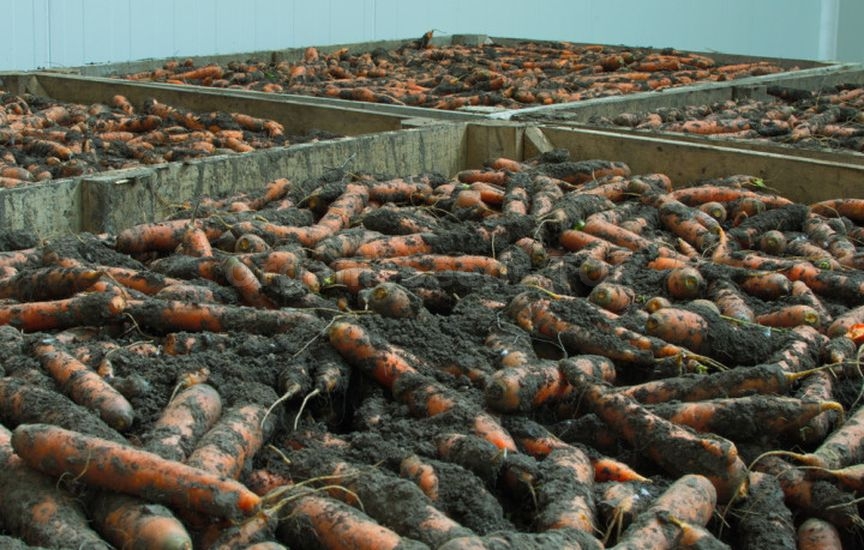 One of the most reliable ways to store root crops is in boxes with clean, slightly moist sand. Sand retains moisture around the fruits, prevents them from touching each other, preventing the spread of accidental rot, and limits oxygen access, slowing down the respiration process of vegetables. Sand should not be wet. If you squeeze it in your hand, it should retain its shape, but water should not be released from it. Too moist material will create conditions for rotting of fruits. The technology of storage in sand is quite simple. A layer of sand about 3 cm thick is poured onto the bottom of a dense wooden or plastic box. Root crops are carefully laid out on top so that they, if possible, do not touch each other. Then the vegetables are completely covered with the next layer of sand. This procedure is repeated several times. The height of such a box should not exceed half a meter, otherwise the root crops in the lower layers will experience excessive pressure. Instead of sand, you can use fresh coniferous sawdust. The essential oils and phytoncides contained in them serve as an excellent natural antiseptic that suppresses the development of fungal spores. 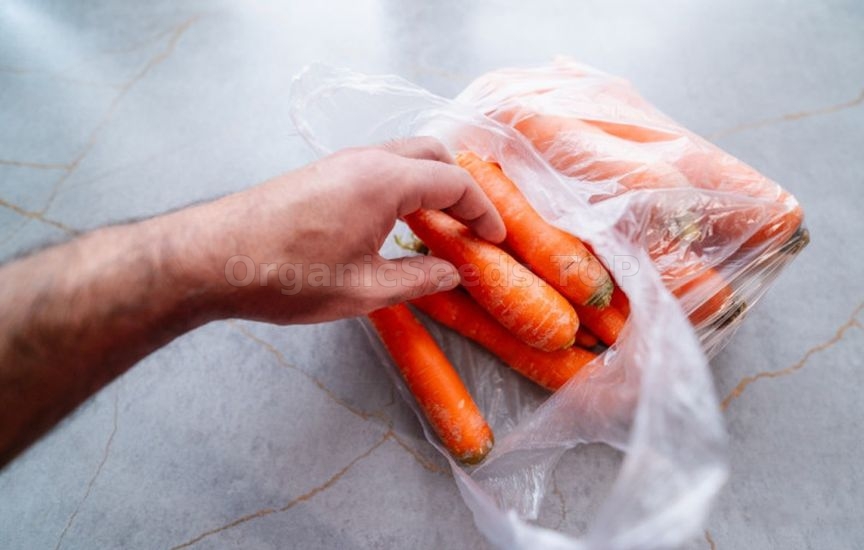 Beets are a little easier to preserve than carrots and parsnips, because their skin is denser. These root crops are often stored together with potatoes: they are poured in an even layer over the tubers. Thus, vegetables ideally complement each other. In winter, potatoes release some moisture and begin to get wet, and beets absorb this excess moisture. Such an interchange allows «saving» potatoes from rotting and at the same time protecting beets from drying out. If the crop volumes are small, then for storing root crops you can use dense polyethylene bags. Vegetables are put into bags, but they are not tied tightly so that condensate does not accumulate inside. In the lower and side parts of the bag, ventilation holes are necessarily made for the outflow of carbon dioxide. Preservation of the root crop harvest is a process that requires the gardener's attention to detail at every stage. It is necessary to choose the right time for harvesting, carefully, without damaging, collect the fruits and create appropriate conditions in the storage place. And then the grown crop will retain its taste qualities for many months. You may need:Carrots seedsBeetroot seedsParsnips seedsOrganic fertilizers |
|
|