
First feedings for vegetables: what, when, and how |
In addition to regular watering, loosening, hilling, pinching, protection from possible cold snaps, and prevention of diseases and pests, at the end of spring and the beginning of summer it is important not to forget about such a significant procedure as feeding plants.
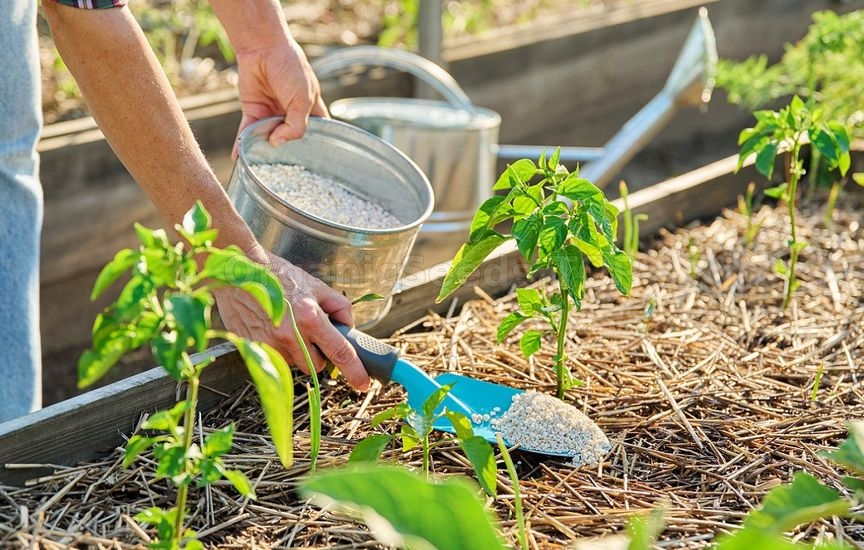 If the soil was not properly enriched with compost or manure in autumn, no soil improvers were added, and EM preparations were not applied, then it is hardly possible to count on a rich vegetable harvest. However, the situation can still be corrected – it is enough to properly create a feeding schedule throughout the season. What fertilizers should be used at the initial stage of vegetation in order to support vegetable crops, help them remain healthy and strong, and ensure the formation of a rich harvest? When to Feed Vegetables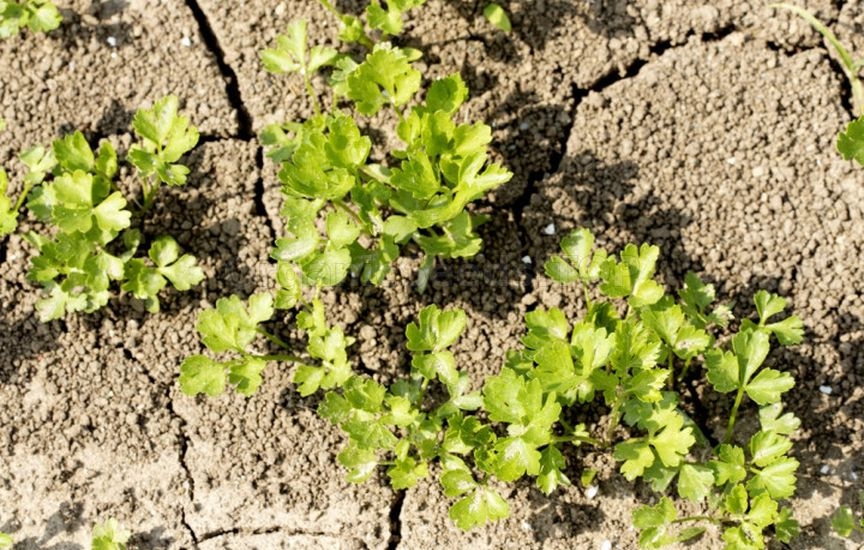 Crops with a short vegetation period are usually fed once per season, while those with a long one are fed two or three times. The timing of the first feeding depends on the sowing or planting method: if the plants were grown by the seedling method, fertilizers are applied 15-20 days after transplanting to the beds, and with direct sowing into the ground – not earlier than one month after seed emergence. Further feedings – the second and subsequent ones – are carried out during the period of the most intensive plant development (growth of the aboveground part), during budding and flowering phases, fruit setting and ripening. Fertilizer application is completed approximately 3-4 weeks before the planned harvest. What Nutrients Plants Need at the Initial Development Stage To choose suitable fertilizers for the first feeding of vegetable crops, it is important to consider their needs at the beginning of vegetation. At this time, all plants primarily require nitrogen, which promotes the growth of shoots and leaves and participates in chlorophyll production. Thanks to this element, fragile seedlings turn into lush bushes with strong stems and richly green foliage. Potassium is no less important at the start of vegetation: it strengthens the root system and participates in metabolic processes. If there is not enough potassium, plant immunity decreases – they become vulnerable to diseases and pests and react more sharply to weather changes. Phosphorus is also extremely important for young plants – both during germination and during flowering and ovary formation. This element accelerates seed sprouting, helps develop the root system and leaf apparatus, promotes abundant fruiting, and improves the taste qualities of fruits. Microelements should not be neglected either: boron, sulfur, zinc, manganese, and molybdenum. They stimulate root and leaf growth, participate in photosynthesis, and increase plant resistance to unfavorable external factors. Thus, at the initial development stage, plants require a full complex of nutrients with a predominance of nitrogen. Based on this, fertilizers with a suitable composition can be selected. Fertilizers for the First Feeding of Vegetables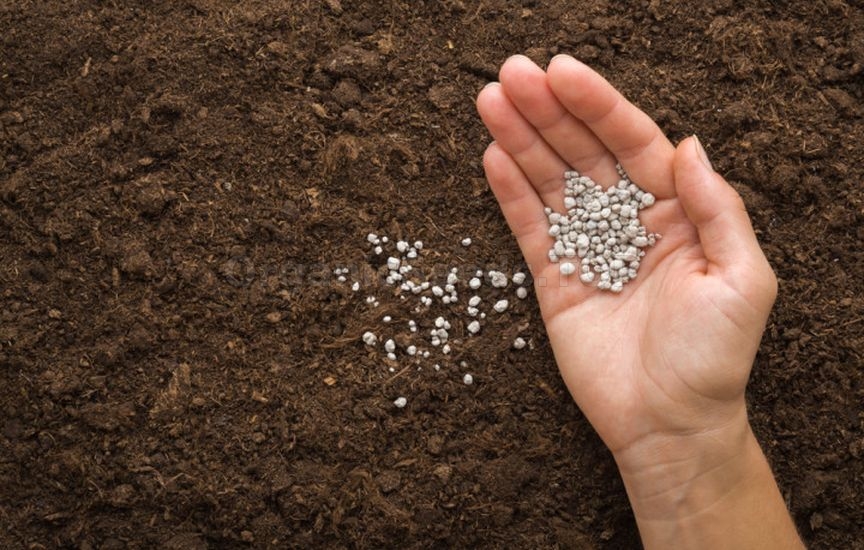 Fertilizers are traditionally divided into two large groups: mineral and organic. Mineral fertilizers are obtained chemically, while organic ones result from processing animal products (for example, manure, poultry droppings, fish and bone meal) or plants (green manure, compost, ash). In addition, fertilizers are distinguished by composition (they can be single-component or multi-component), as well as by release form: there are dry versions in the form of granules or powders and liquid concentrates. Application methods also differ: granules are most often used for filling planting holes, while for the first root feeding in soil it is preferable to use a water solution. 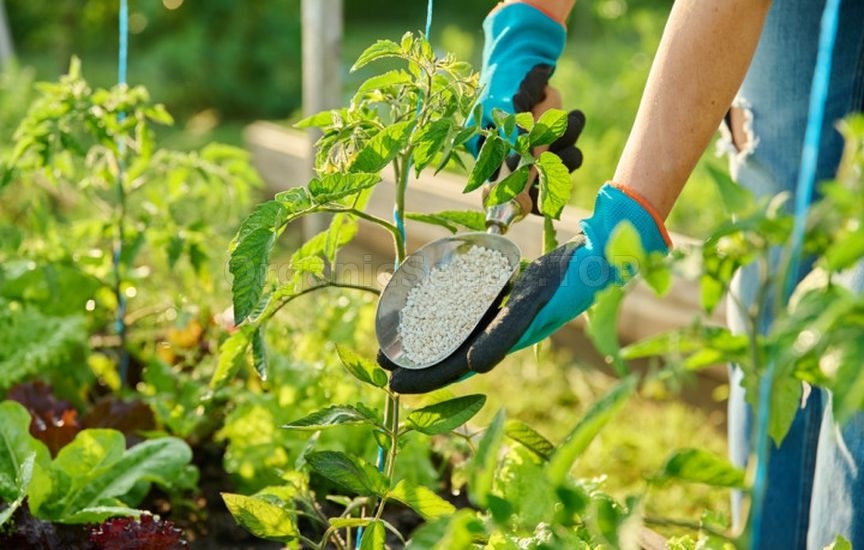 For the first feeding of tomatoes, both mineral and organic nitrogen-containing fertilizers are suitable, and their combination is also acceptable. Two weeks after planting the plants in the ground, one of the following nutrient compositions can be used:
Sweet pepper responds best to organic feedings: a water solution of well-rotted manure (in a ratio of 1:5) or poultry droppings (1:20). From mineral fertilizers for the first feeding, you can take urea and superphosphate – dissolve 10 g of each substance in 10 l of water. You can also use the so-called "classic trio": 15 g ammonium nitrate, 25 g potassium sulfate, and 30 g superphosphate are dissolved in 10 l of water. 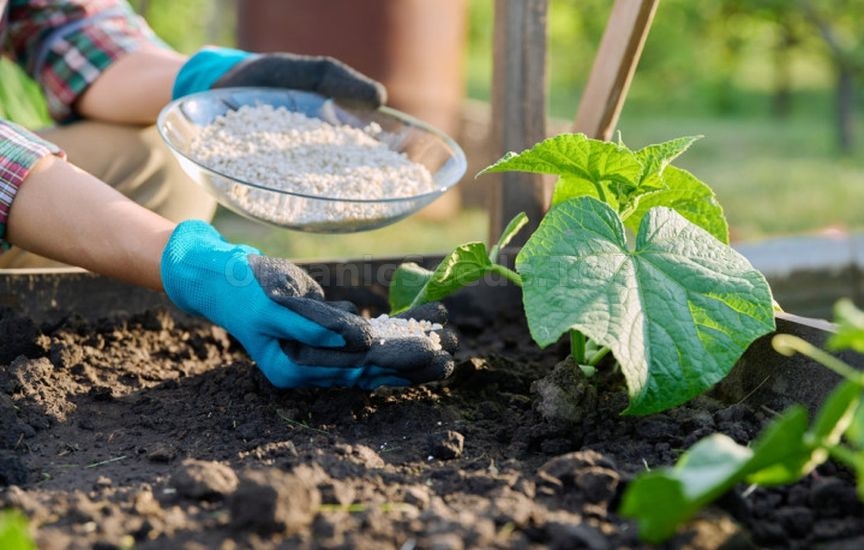 Cucumbers respond well to root feeding with azophoska: to prepare the working solution, dissolve 25 g of fertilizer in 10 l of water and water the plants at the rate of 0.5 l per bush. Another option is a traditional mixture of mineral fertilizers: dissolve 20 g ammonium nitrate in 10 l of water, add 10 g each of superphosphate and potassium sulfate, then apply 0.5 l of the composition under the root. Organic matter is also suitable for feeding cucumber beds. For example, you can use mullein infusion in a proportion of 1:10 or poultry droppings infusion (1:20), which are sometimes combined with an ash solution (1 l of ash per 10 l of water). 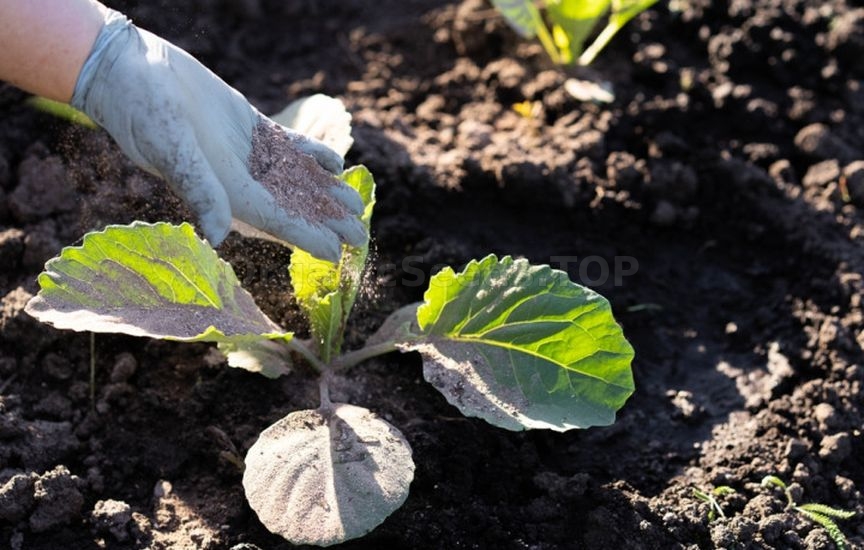 Cabbage is fed 2-3 weeks after planting, when the plants take root and adapt in open ground, or one month after sowing. For feeding, prepare a solution of calcium nitrate: 15 g of fertilizer is dissolved in 10 l of water and the plants are watered at the rate of 0.5-0.7 l for each one. Calcium and nitrogen from this fertilizer are quickly absorbed by the cabbage root system, which gives a good start for full crop development. An alternative option for slightly alkaline soil is a fertilizer mixture: dissolve 10 g each of urea and potassium sulfate in 10 l of water, and also add 20 g superphosphate dissolved in a small amount of hot water. Feeding is carried out on moist soil and 0.5 l of solution is poured under each bush. Wood ash can serve both as a fertilizer and as a protective agent against diseases and pests – plants are dusted with it several times during the season. 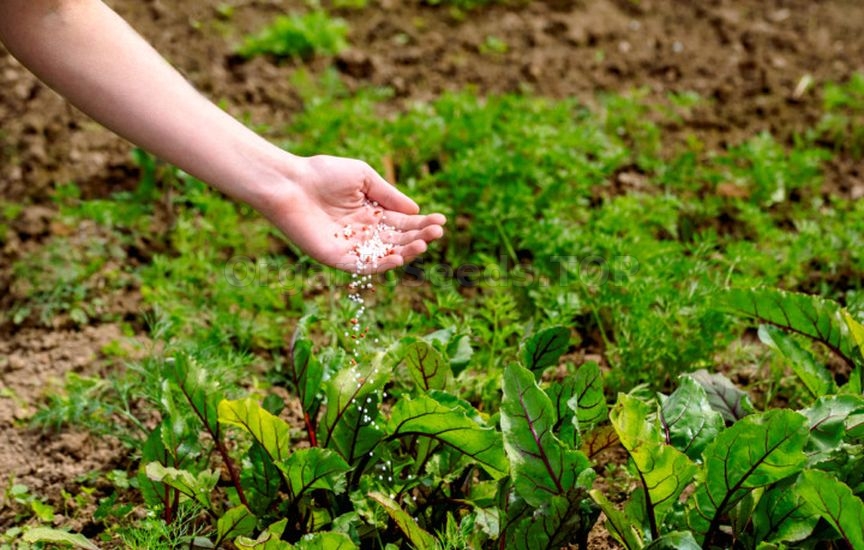 Carrots and beets are usually fed twice per season, with the first feeding carried out three weeks after sprout emergence. During this period, you can use a nitrophoska solution – 1 tbsp. fertilizer per 10 l of water. An alternative option is to prepare a mixture of 20 g potassium nitrate and 15 g superphosphate dissolved in 10 l of water. For the first feeding of root crops, you can also use complex water-soluble fertilizers. Among organic nutrition for carrots and beets, ash is excellent: 2 cups per 10 l of water. Such a solution not only supplies growing root crops with potassium and microelements, but also helps protect against fungal diseases and pests. Both carrots and beets react poorly to other organic matter besides ash. Fresh manure is especially harmful for them – when applied, root crops acquire an unnatural color, become coarse, and accumulate nitrates in the tissues. 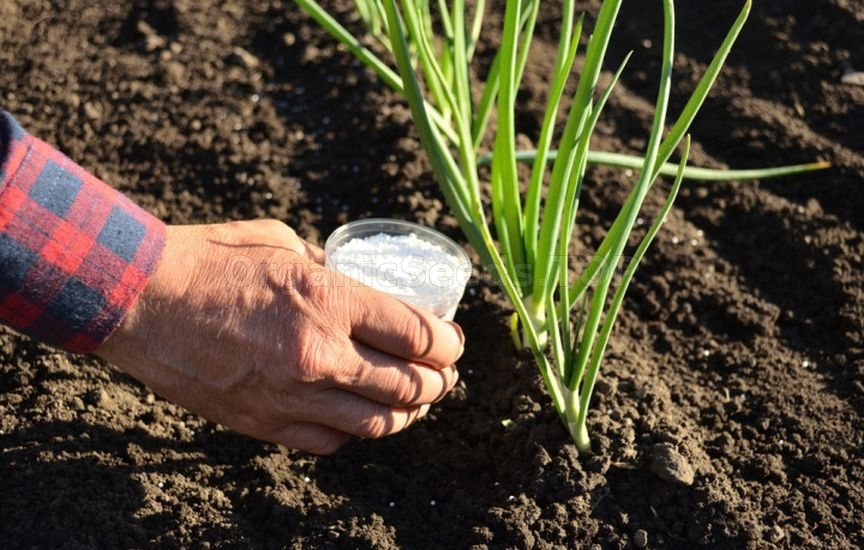 Onions and garlic planted before winter, as well as perennial onions, are first fed as soon as the soil warms up and green shoots appear. Spring garlic and bulb onions planted in spring are fed approximately at the end of May using fertilizers with a high nitrogen content. To prepare a nutrient solution for a 10-liter bucket of water, either 10-15 g ammonium nitrate or 20-25 g urea is taken, or a complex mineral fertilizer is used according to the instructions. With timely and proper fertilizer application, onion feathers grow long, dense, and acquire a rich green color. Conversely, nitrogen deficiency manifests itself in yellowing of the aboveground part – by this sign it is easy to determine the need for feeding. In order for garden plantings to provide you with a полноценный vitamin diet throughout the winter, do not forget to properly “feed” them in spring and summer. You may need:Cucumbers seedsOrganic fertilizers |
|
|