
What should not be used to feed young seedlings |
Growing seedlings is a very important stage in a plant’s life. It is during this period that the foundation of the future harvest is laid. Wanting to help our “green pets,” we often make a fatal mistake by starting to “feed” them excessively. But what is good for an adult plant in the garden can kill a tender sprout.
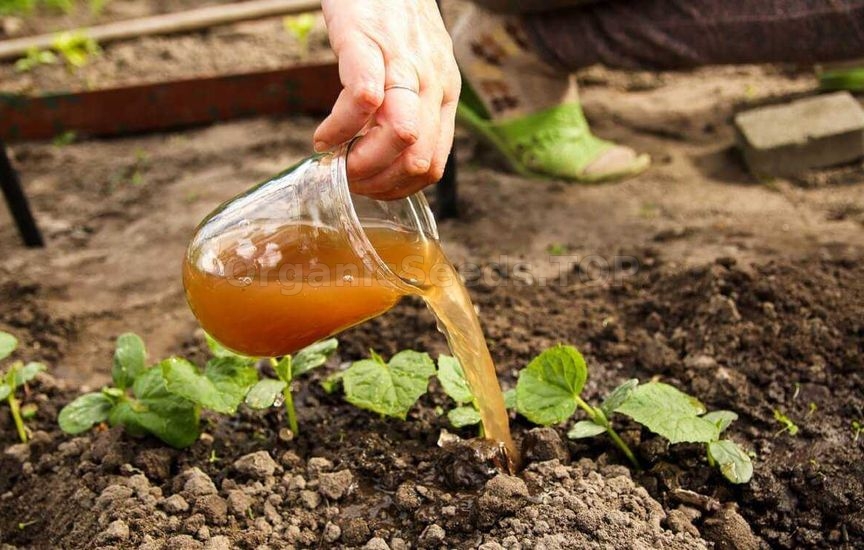 We have prepared a list of substances and fertilizers that should not be used for young seedlings if you do not want to be left without a harvest. Aggressive organic matter: fresh manure and bird droppings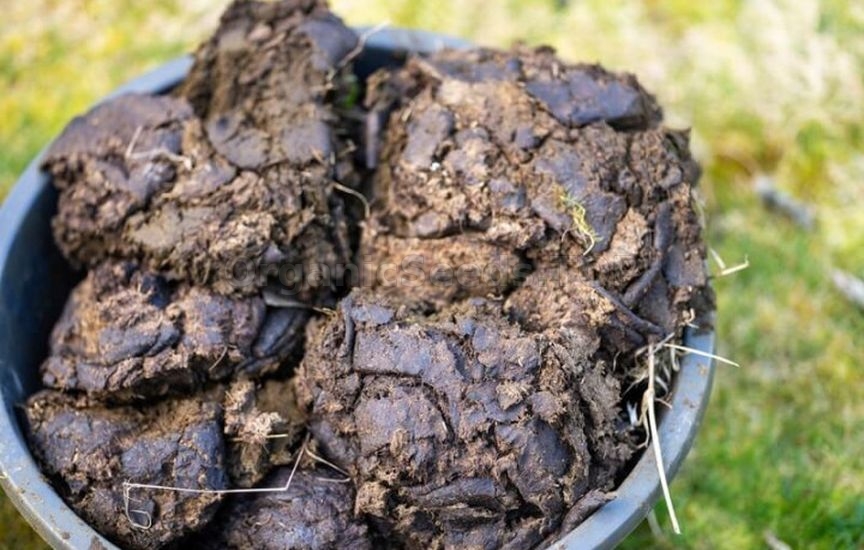 This is the worst thing you can offer to young roots. Fresh manure or undiluted chicken droppings contain ammonia and uric acid in extremely high doses. The aggressive environment causes a chemical burn, the roots literally “burn out,” and the plant dies instantly. In addition, undecomposed organic matter is full of pathogenic bacteria and fungi that cause black leg disease. Even a weak mullein solution is acceptable only two weeks after pricking out and only at a concentration of 1:20, but it is better to avoid it altogether in favor of specialized products. Urea and ammonium nitrate in excessive doses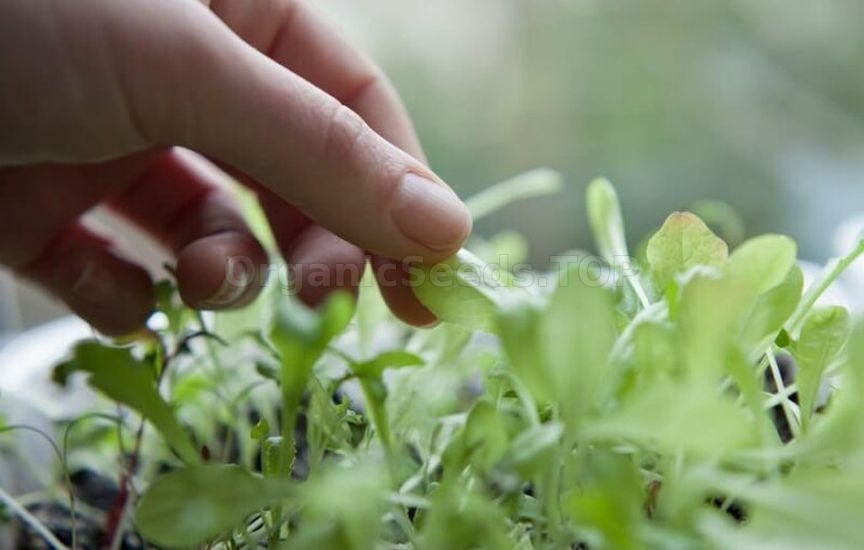 Nitrogen is the main growth element, and this is where beginners (and often experienced gardeners as well) fall into a trap. Pale or stretched seedlings make you want to fertilize them immediately! But the root system of a young plant is not yet able to absorb and process large doses of nitrate nitrogen. An overdose leads to disastrous consequences. A concentrated solution of nitrogen fertilizers draws water out of the root cells (osmotic shock). Even if you do not kill the seedlings, you will provoke rapid growth of green mass that the still weak roots will not be able to support with nutrients. And a stem that looks thick due to excess nitrogen loses its strength and becomes very fragile. Unripe «herbal tea» and green fertilizer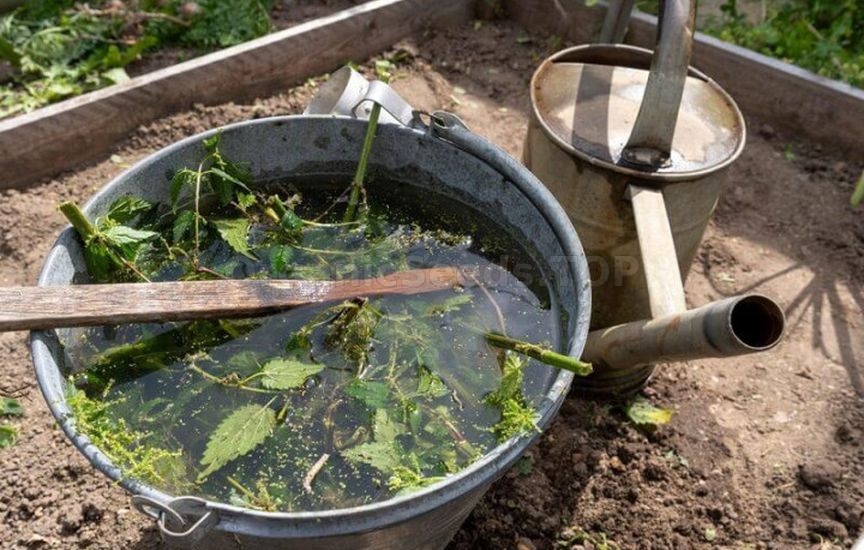 Among supporters of organic farming, the recipe for “green fertilizer” is popular: a barrel with nettles and dandelions fermenting in the sun. During fermentation, methane, hydrogen sulfide, and a large amount of pathogenic microflora are released in the container. In the soil of a small cup with drainage holes and poor aeration, this mixture continues to ferment, poisoning the soil with alcohols and taking oxygen from it. The roots simply “suffocate” and rot. Such fertilizers are suitable only in open ground, where there is enough soil volume and earthworms. «Grandma’s» stimulants: potassium permanganate, iodine, and hydrogen peroxide without measure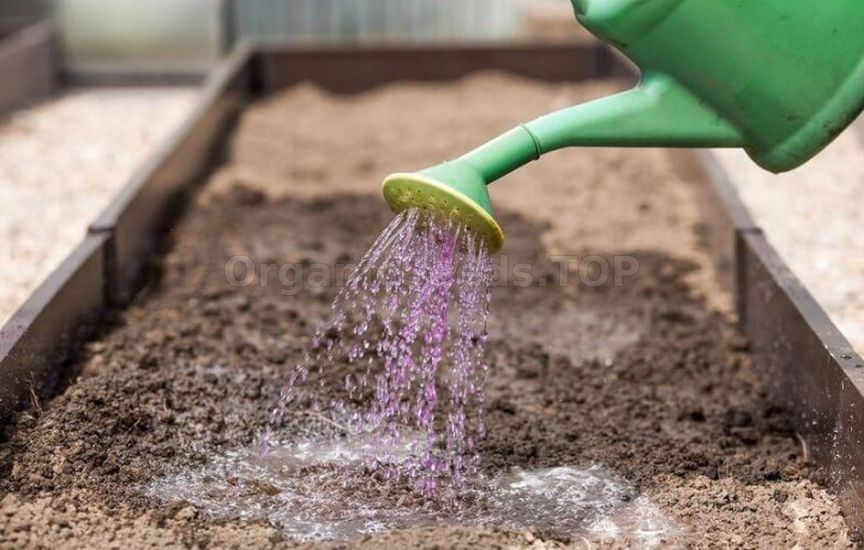 Folk recipes are very popular, but their concentration is often determined “by eye.” As for potassium permanganate, watering the roots with a strong purple solution burns the absorbing root hairs and kills all beneficial microflora in the soil, turning it into a sterile dead substrate. An overdose of iodine acts like a powerful herbicide. You risk not feeding the plant, but burning the root system, especially in nightshades. And watering with concentrated hydrogen peroxide causes an oxidative explosion in the root cells, oxidizing and destroying living tissues. Yeast: the myth of lush growth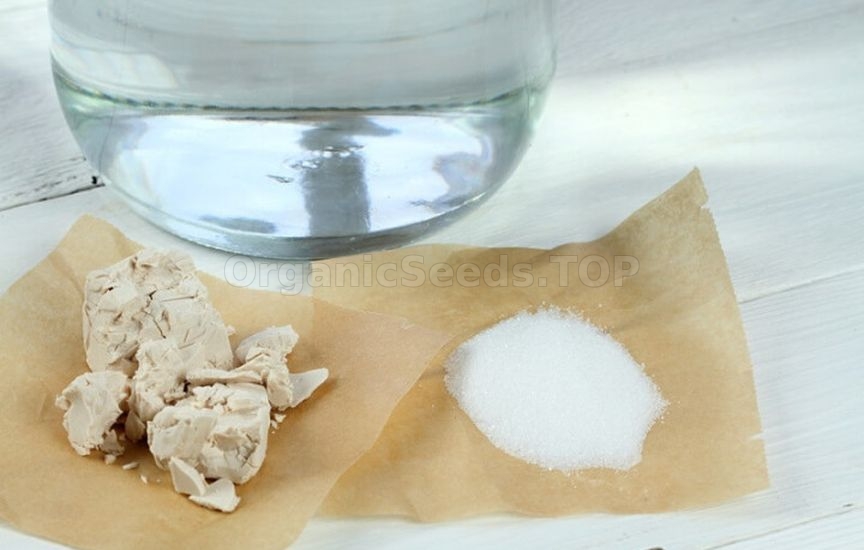 Feeding with yeast is the most controversial point. Yes, saccharomyces fungi stimulate the decomposition of organic matter and the release of carbon dioxide, but in a seedling tray this works against you. Yeast itself is not a fertilizer; on the contrary, it consumes potassium and calcium. By adding yeast to poor soil, you force the fungi to actively consume the little nutrients available, taking them away from the plant. In addition, fermentation in a cramped pot raises the soil temperature and compacts it. Instead of benefits, you get potassium deficiency and soil acidification. So what can be used? The golden rule of the first feeding Young seedlings should not be fertilized before 2–3 true leaves appear. Everything the sprout needs at the beginning of its life is already contained in the seed and a properly selected light peat substrate. When the time comes (not earlier than 10–14 days after pricking out), use the rule of the “three DON’Ts”:
Protect young plants from excessive love and heavy “food.” It is better for them to be slightly hungry and sturdier than overfed or dead. You may need:Seeds of melonsSeeds of legumesSeeds of solanaceousRoot crop seedsOrganic fertilizers |
|
|