
Without «chemicals»: 5 plants that repel pests |
Gardening and horticulture is a favorite activity for many, which is often overshadowed by the invasion of uninvited guests: aphids, Colorado beetles, ants and mosquitoes. And you really want to preserve the harvest, but at the same time not poison the soil and fruits with "heavy chemistry".
 The fact is that there are protective plants that release phytoncides and essential oils, the smell of which is unbearable for many insects. Planted next to cultivated plants, these aromatic herbs and flowers will create a "living barrier" against pests. And it is also environmentally friendly, beautiful and quite effective! Marigolds Bright sunny flowers, presented in a rich palette from lemon to dark orange, are not only an unpretentious decoration of the site, but also an excellent means of repelling many pests. Aphids, Colorado beetles, onion flies, weevils, cabbage white caterpillars cannot stand the aroma of marigolds. Marigolds have a strong specific smell that repels a huge number of pests, and the roots of the plant secrete a substance that cleans the soil of nematodes. You can use marigolds for the benefit of the future harvest in different ways. For example, by sowing flowers around the perimeter of beds with potatoes, tomatoes, cabbage and strawberries or even in the rows of vegetable crops for maximum protection. And you can also prepare infusions that are useful for spraying other plants against aphids. Fill half a bucket with fresh chopped marigolds and pour warm water. Infuse for two days. In the finished infusion add 40-50 g of liquid or grated household soap (for better adhesion of the composition), spray the plantings. In the same way, dried marigolds are infused, only the proportions change. Pour 100 g of dried flowers with 1 l of warm water, infuse for a day, before use add 10 g of household soap. Lavender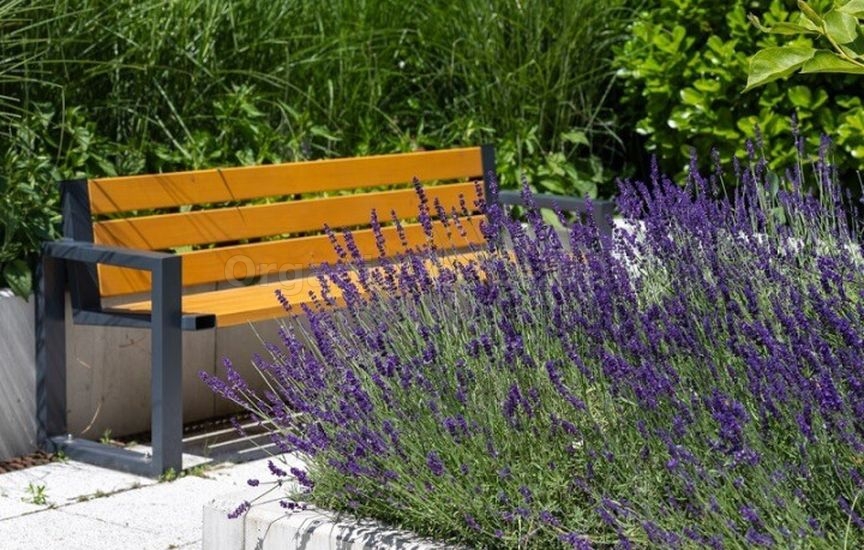 Elegant bushes with narrow silver-green leaves and spike-shaped inflorescences of lilac or purple color can be found today in almost any area. Lavender is valued, as a rule, for its attractive appearance and strong pleasant aroma. This amazing aroma of lavender, which people love so much, is unbearable for many insects, including aphids, ants, moths, mosquitoes, it is unpleasant even for slugs. Ants, which often "breed" aphids, bypass lavender. And mosquitoes and moths will not even risk flying into the "zone of its action". The ideal place for lavender is the edges of paths and beds, thus it will not only protect the garden, but also decorate it. Plant lavender in recreation areas, around gazebos and in front of windows to repel mosquitoes and midges. Dry bouquets of lavender will be an excellent decoration for the room, and sachets placed in closets will protect clothes from moths and give the linen a pleasant smell. Mint and lemon balm Plants with bright green leaves and a characteristic fresh aroma are often used for culinary purposes (well, who does not like tea with a few mint leaves!?). In the garden, the strong menthol smell confuses pests, masking the aroma of cultivated plants. Ants, which, as you know, carry aphids, do not even build anthills near mint plantings. Cabbage whites, cruciferous fleas and even mice cannot stand this aroma. Mint and lemon balm spread very aggressively. To prevent them from filling the entire garden, plant them in pots or buckets without a bottom, dug into the ground. Plantings can also be limited with a garden border, flat slate, metal profile or other materials. Planted next to cabbage and radish, mint will protect against flea beetles and caterpillars. It will help in the fight against aphids if you plant the plant in the near-trunk circles of fruit trees. In places where ants accumulate or in the basement, you can lay freshly cut branches of mint or lemon balm to repel rodents. Nasturtium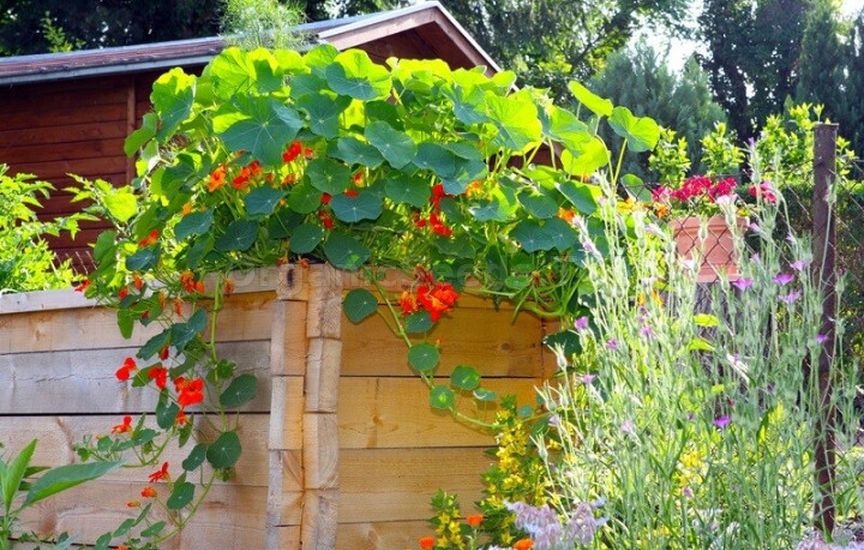 Bright flowers (yellow, orange, red) and round juicy leaves make nasturtium a welcome guest in many flower beds. But not everyone knows that this luxurious vine helps fight Colorado beetles, whiteflies, cabbage whites and other insect pests. Nasturtium is a bait plant, or "trap". It attracts aphids and other sucking pests to itself, distracting them from more valuable crops, for example, from fruit trees, berry bushes, peppers, eggplants. Knowing this property, you can plant nasturtium under trees. Aphids will concentrate on the plants, and then they can simply be removed along with the pests or sprayed with insecticides. Nasturtium will also be a good "neighbor" for tomatoes and cabbage: it will distract the attention of whiteflies and caterpillars. In addition, nasturtium attracts beneficial insects – ladybugs and lacewings, which naturally regulate the number of pests. Rosemary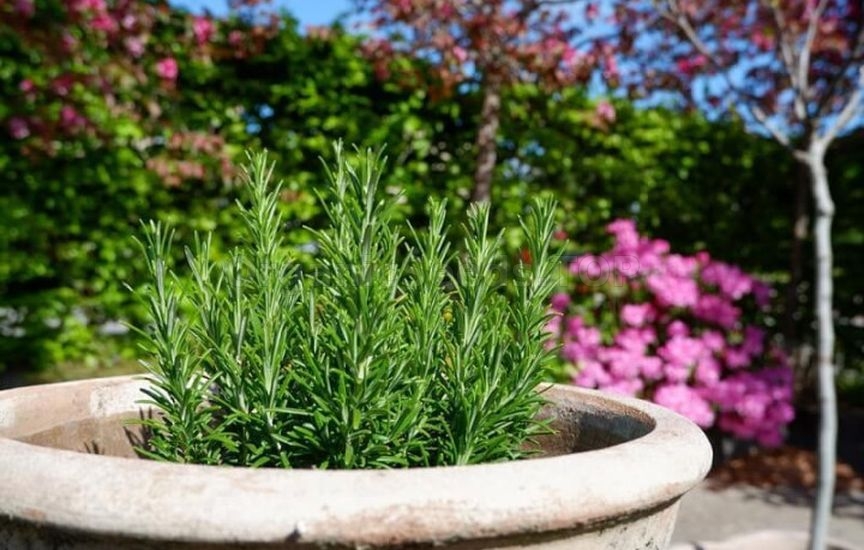 An evergreen shrub with needle-like leaves, similar to needles, is often grown as a houseplant and used as a spice. Its spicy camphor aroma effectively masks the smell of vegetable crops, preventing pests from finding them. Rosemary is also not tolerated by mosquitoes, carrot and onion flies, cabbage whites, slugs. Rosemary can be planted next to beds with carrots and onions, in any flower beds close to the house or other containers. Containers with rosemary can be moved to the barbecue area, to the entrance to the house, to the playground – any places where mosquitoes can interfere with your rest. Nature itself offers us "tools" for harmonious and safe gardening. By combining these plants in your beds, you will create a sustainable ecosystem where pests will be uncomfortable, and beneficial pollinating insects – on the contrary. This approach will not only save your harvest, but also turn the garden into a fragrant, blooming and truly "living corner". You may need:Organic Marigolds Seeds«English Tea» - Organic Lavender SeedsOrganic Lemon Balm Seeds«Dwarf Terry Mix» - Organic Nasturtium SeedsOrganic Rosemary Seeds (Rosmarinus Officinalis) |
|
|