
What to do in the flower garden in September: essential work |
September in the flower garden is a special time: some plants have already withered, new ones are no longer growing, and nature is gradually preparing for the coming change of seasons. However, it is still too early to rest, because with the arrival of autumn, work in the flower garden does not end.
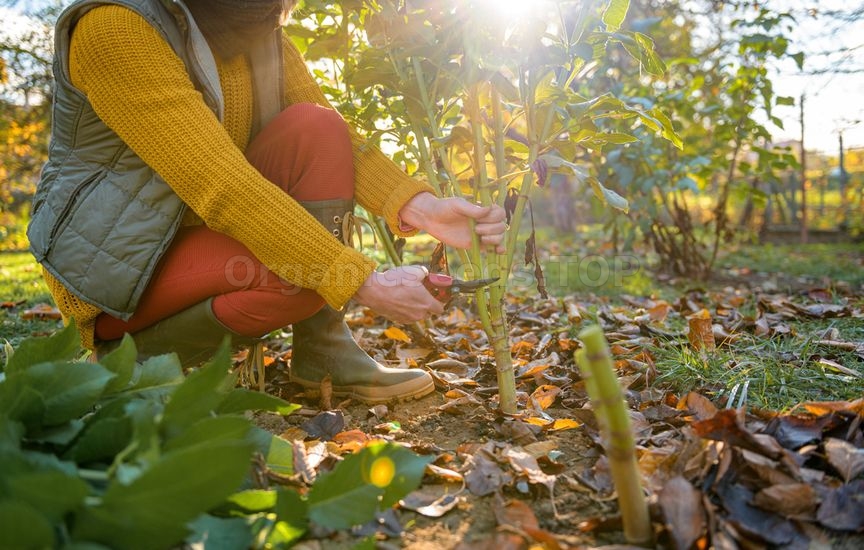 It is your efforts during the first autumn month that determine how the flower garden will look in autumn, how well perennials will survive the winter, and what your garden will look like next year. Tidying up the flower garden in autumn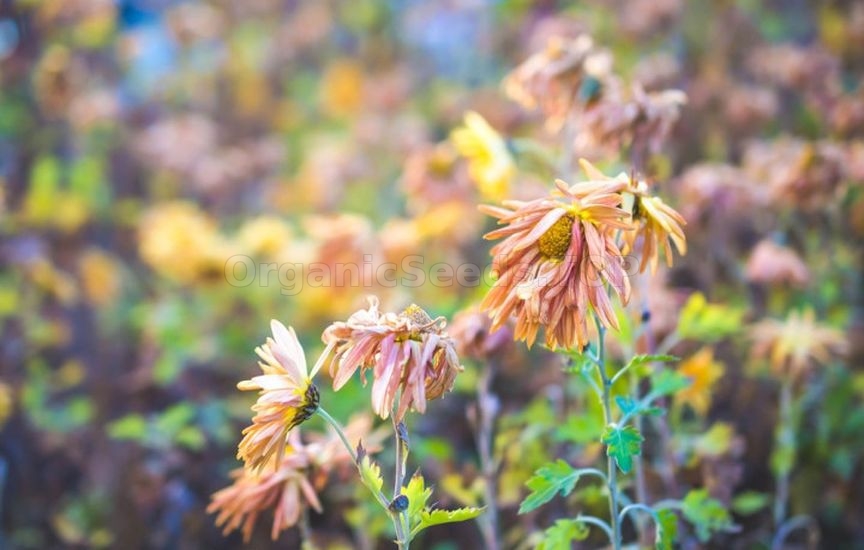 At the beginning of autumn, active life is still continuing in the flower garden. Late perennials – dahlias, gladioli, asters and chrysanthemums – are at the peak of their decorative beauty. To prolong this charm and help plants conserve their strength, it is necessary to regularly remove faded buds and yellowed leaves. This simple technique prevents the development of fungal diseases and directs the plants' internal resources toward supporting flowering rather than ripening unnecessary seeds. Tall-growing plants require special attention during this period. Heavy heads of dahlia inflorescences or long gladiolus spikes can easily break under strong winds and prolonged rains. Check the reliability of existing supports and install new ones if necessary, carefully tying the stems with soft twine. Also, in the first half of the month, it is useful to lightly hill up the bases of dahlia bushes, which will protect the root collar from unexpected first frosts on the soil. As for annual plants that have completely lost their decorative appeal, it is better to remove them. This will make the flower garden look neater. Pull out the annuals or cut them at ground level. If the plants were healthy, they can be sent to the compost, but diseased specimens are better burned so that they do not become a source of infection. The vacated areas of the flower garden are cleared of weeds. Many weeds, if left in the bed, will have time to produce seeds before the cold weather, while perennial weeds will continue developing their root systems even in cool weather. Autumn weeding will help reduce their number in the next season. Collecting annual seeds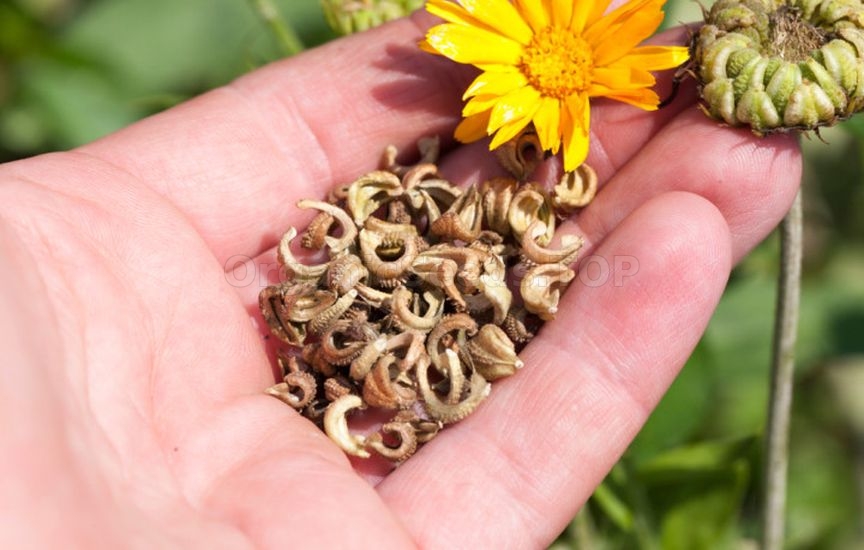 September is the ideal time to prepare your own planting material from popular annual flowers: marigolds, calendula, zinnia, nasturtium, cosmos and petunias. Hand-collected seeds often have better germination than purchased ones, and this allows you to save considerable money in spring. Collection should be carried out in dry and sunny weather, preferably in the middle of the day, when the morning dew has completely dried on the plants. Seed pods and flower heads are cut selectively, choosing the largest and healthiest specimens that have already acquired a characteristic brown or yellowish tint. The collected material is spread in a thin layer on paper or cloth napkins in a warm, well-ventilated room for ripening and complete drying. Direct sunlight should not fall on the seeds, as high temperatures can reduce their germination. After complete drying, the seeds are carefully separated from the husks, placed in paper packets and the variety name and year of collection are обязательно written on them. Seeds should be stored in a cool and обязательно dry place. The biggest enemy of seeds is excessive humidity. Because of it, even well-dried seed material can become moldy and lose its germination. Dividing and transplanting perennials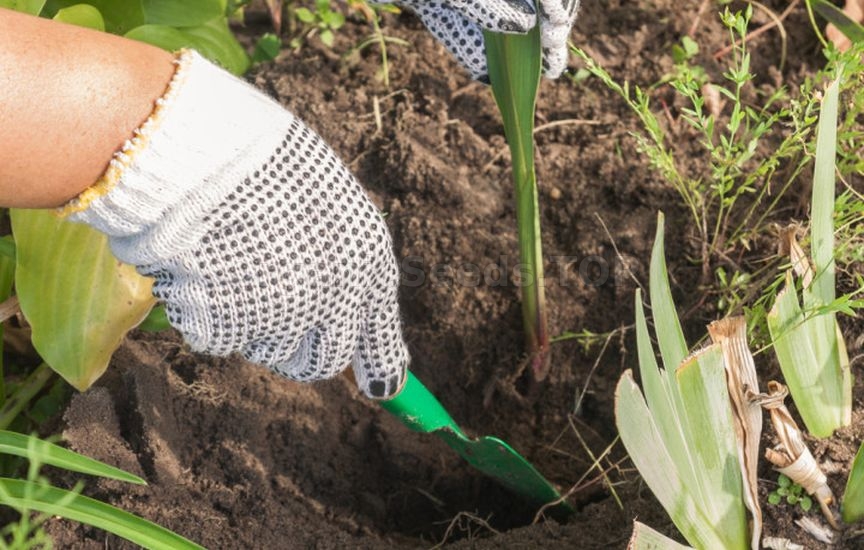 September is one of the best periods for dividing and transplanting most herbaceous perennials. The soil still retains the warmth of summer, but it is no longer as hot as in summer; frequent rains provide an optimal level of moisture – all this promotes rapid establishment in a new place. In addition, there is still enough time before the soil freezes steadily for the plants to become well rooted. In September, you can divide overgrown bushes of peonies, phloxes, astilbes, hostas, daylilies, irises and some other plants. The division process requires care. The bush is carefully dug around from all sides and then removed from the ground, trying to preserve as many roots as possible. Old and damaged sections are removed. The remaining rhizome is divided into several parts using a sharp knife or shovel, with at least three healthy renewal buds and developed roots remaining on each new division. Divisions that are too small usually develop more slowly, so the bush should not be divided excessively. The cut areas must be dusted with crushed wood charcoal for disinfection. New plantings are set at the same depth at which the parent plant grew, watered abundantly and mulched with peat or compost to retain moisture. Planting bulbous plants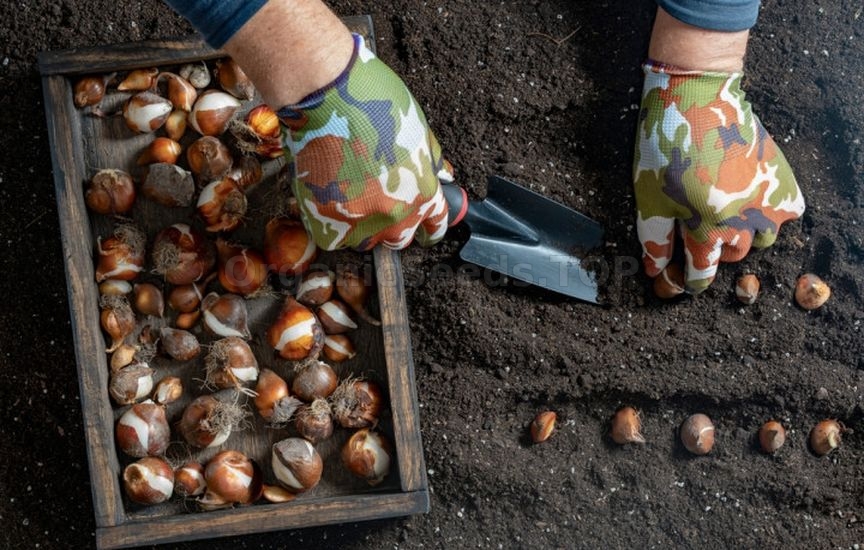 September is the main time for planting many early-flowering bulbous plants. This is when small-bulbous and bulbous flowers are planted, which will be the first to delight with bright colors in spring, immediately after the snow melts, and in early summer. In the first ten days of September, crocuses, muscari, pushkinias, scillas and chionodoxas are planted. Closer to the middle of the month, it is time for daffodils and hyacinths. Tulips are best planted in the second half of September or even at the beginning of October, when the soil temperature at a depth of ten centimeters drops to 10°C. The main rule when determining the timing for planting bulbs is not to look at a specific date, but to focus on the soil temperature and the climate of your region. The bulbs need to have time to root before the cold weather, but not actively start growing before winter arrives, otherwise the tender shoots will simply freeze during the first severe frost. For most bulbs, choose a well-lit location without prolonged waterlogging. This is especially important for tulips and other plants that do not tolerate constant excess moisture well. The soil is loosened in advance and, if necessary, its structure is improved. The planting depth depends on the size of the bulb and the particular plant. There is a universal rule – plant at a depth equal to three bulb heights. This can be used as a guideline, but it is better to take the characteristics of the soil into account. Thus, in light sandy soils, the planting depth can be slightly increased, while in heavy clay soils it is, on the contrary, slightly reduced, and a layer of clean river sand must be poured onto the bottom of the planting hole as drainage. Before planting, the bulbs are carefully inspected. Soft, rotten or severely damaged specimens are best discarded. Only completely healthy planting material is kept. After planting, the soil is watered if necessary. If autumn is rainy, additional moisture may not be required. Feeding perennials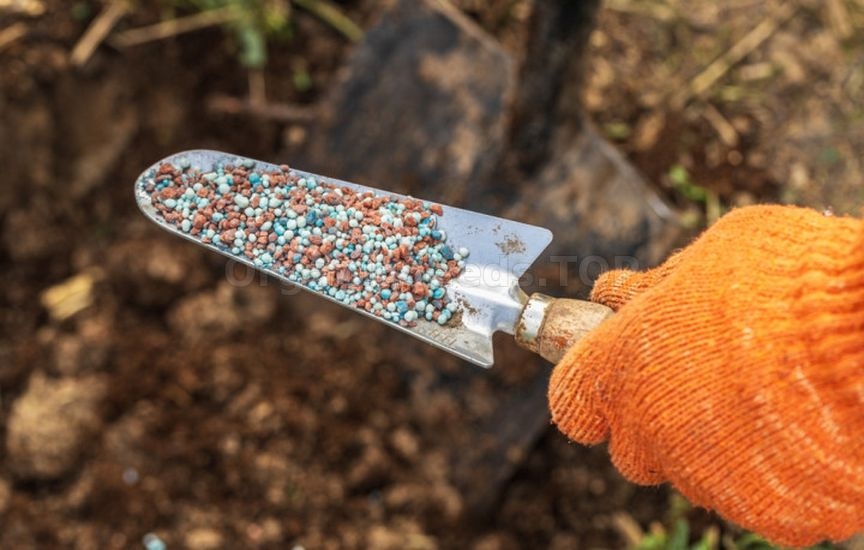 In September, perennials no longer need the usual summer fertilization that stimulates the growth of leaves and shoots. Nitrogen fertilizers are especially undesirable in large quantities during this period – they can provoke the growth of young greenery that will not have time to become woody before winter and will inevitably die from frost, weakening the entire plant. In autumn, perennials need potassium, phosphorus and magnesium. These elements are involved in processes associated with preparing plants for the dormant period. Phosphorus is responsible for the development and strengthening of the root system, potassium increases winter hardiness and resistance to diseases, while magnesium increases frost resistance and improves the absorption of other nutrients, including phosphorus and potassium. Fertilizers can be applied either in dry form while loosening the soil or as aqueous solutions. A good result is obtained by using a solution of 25 g of superphosphate, 1.5 tbsp. of potassium magnesium and 2.5 g of boric acid per 10 liters of water. For supporters of organic farming, wood ash, rich in potassium and trace elements, is an excellent alternative. It is applied at a rate of one glass per 1 sq.m of area. Autumn lawn care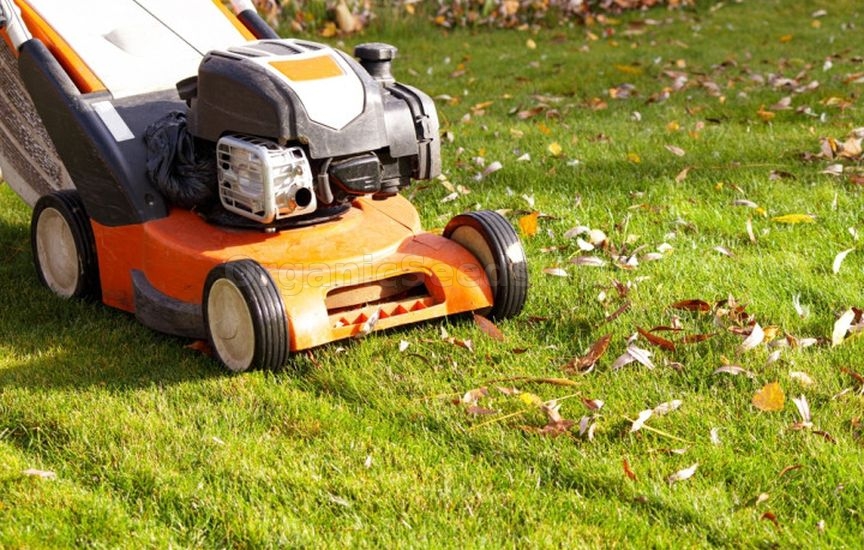 An emerald lawn in September requires no less attention than flower beds. Grass growth gradually slows down, but the lawn still needs to be mowed, although less frequently than in summer. The mowing height is slightly increased, leaving about 5-6 cm to protect the roots from frost. The final mowing is usually planned for the end of the month. In case of drought, the grass should continue to be watered, doing so at least once a week. The most important stage of September lawn care is its aeration and cleaning. Using special rakes or garden forks, dry grass and moss are combed out, and the turf is also pierced to a depth of up to 10-15 cm. This will provide access to air, moisture and nutrients to the roots. Immediately after these procedures, the lawn is fertilized with a special autumn fertilizer labeled "For lawns" with an increased content of potassium and phosphorus, which will help the grass overwinter successfully and start growing vigorously in spring. If special fertilizer could not be found, you can use superphosphate (50-70 g) and potassium sulfate (20-30 g). The rates are given per 1 sq.m. Shaping and trimming the hedge In September, the final shaping trim of the season is carried out on deciduous hedges made of cotoneaster, barberry, hawthorn, privet or bladderwort. Pruning should not be carried out later, as the new cuts must have time to heal before the onset of sustained cold weather, otherwise the tips of the branches will freeze. During trimming, all dry, broken and protruding branches are removed. The shape of the hedge itself is made slightly conical or trapezoidal, with the base slightly wider than the top. This geometry allows the lower branches to receive sufficient sunlight, preventing them from becoming bare. Coniferous hedges of thuja or juniper are only slightly adjusted in September, removing only shoots that clearly disrupt the shape. Preparing warm-loving plants for winter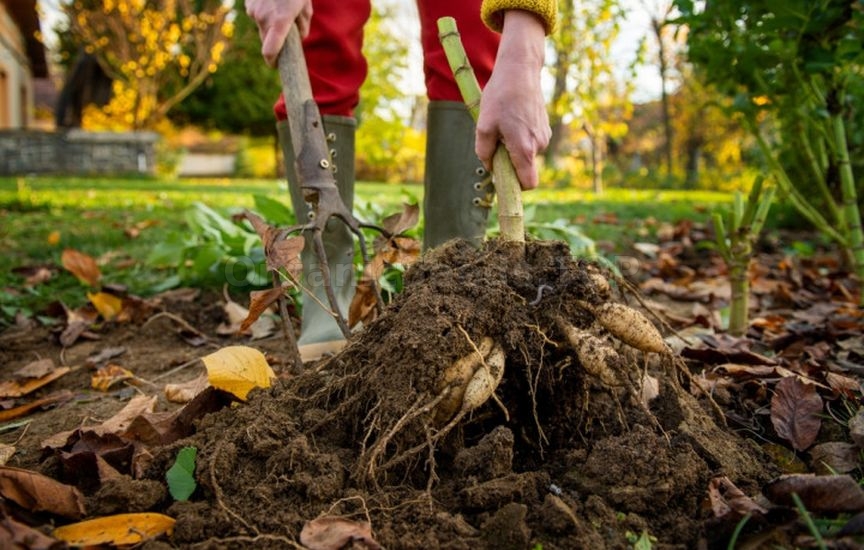 At the end of September, without waiting for severe frosts, preparation begins for winter storage of plants that do not overwinter in the open ground. This primarily concerns gladioli, dahlias, begonias and cannas. Severe frosts can damage their delicate tissues, which will lead to the planting material rotting during winter. Gladioli are dug up approximately a month after they finish flowering. The stems are cut, leaving a small stub, the corms are cleaned of soil, inspected for damage and sent to dry in a warm, well-ventilated room. Dahlias are dug up later, usually after the first serious frost, after which the above-ground part dies back. The tubers are carefully removed from the ground, washed, disinfected in a solution of potassium permanganate or fungicide, and then also thoroughly dried before being placed in storage in a basement or refrigerator. Cannas and other warm-loving plants are removed before the soil freezes deeply. Here it is important not to hurry, but also not to delay. If the plants are dug up too early, the tubers and bulbs may not be sufficiently prepared for storage. If you wait for serious frosts, you may end up with damaged planting material. Container-grown warm-loving plants are also gradually prepared for transfer indoors. Before this, they are inspected for pests and diseases so as not to accidentally bring the problem into the house along with the pot. Rose garden care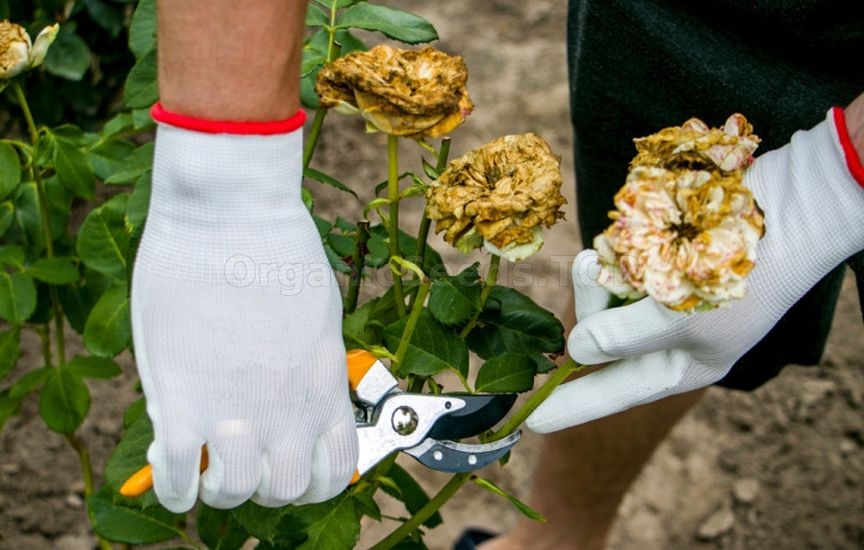 Roses can still bloom actively in September, so you cannot completely stop caring for them. Faded buds are removed as needed, especially if new flowers continue to form on the bush. The main task during this period is to stop the growth of new shoots and stimulate the ripening of existing ones. To do this, fertilization containing nitrogen is completely stopped, and potassium-phosphorus complexes are used instead. Potassium monophosphate has proven itself well, as it is quickly absorbed by plants. In September, the bushes are carefully inspected for black spot, powdery mildew and other diseases. Affected leaves are removed, and severely damaged parts of the plant are cut out. Fallen diseased leaves under the bushes are collected and burned. Watering and fertilizing should be done carefully. If the weather is warm and dry, the soil under the roses should not dry out excessively, but constant waterlogging during the cool period is also not beneficial for them. Roses should not be covered too early. Minor autumn cold spells are usually not a signal to immediately construct winter protection – you need to wait for consistently cold weather. Properly and timely completed September work in the flower garden means healthy and beautiful flowers in the coming season. You may need:Annuals Flovers SeedsPerennials Flovers SeedsOrganic fertilizers |
|
|