
Should you change the planting location of vegetables every year |
You have probably heard that you cannot grow the same crop in the same bed for years. This is the most important principle of a popular agricultural practice called crop rotation.
Crop rotation is not a newfangled invention. Humanity has been improving this agricultural practice for millennia. It is very popular because it helps solve a whole range of problems that arise when growing plants. 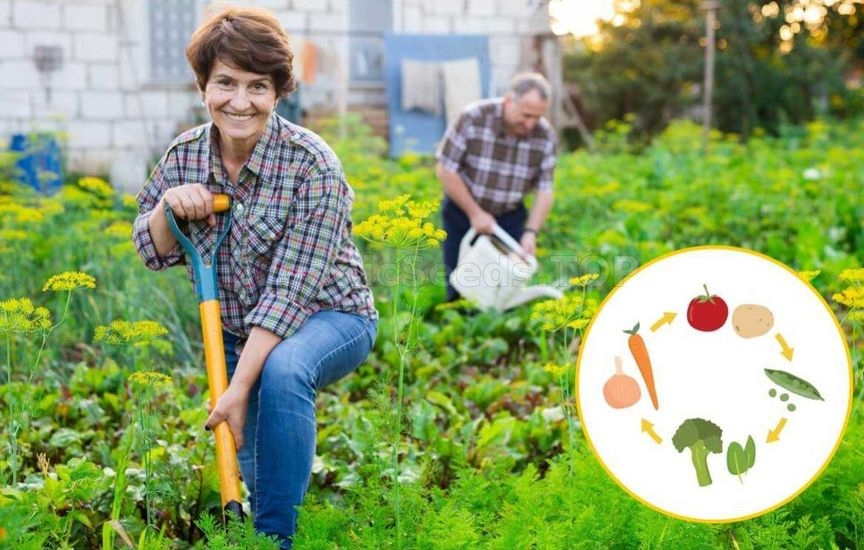 Why it is important to follow crop rotationPlants are living organisms, they feed, breathe, release metabolic products, as well as essential oils and phytoncides that help repel pests, have a negative effect on phytopathogens, and inhibit the growth of «neighbours» in the bed.
All of these are very complex mechanisms. But we will not delve into them, because to understand the need to follow crop rotation rules on a garden plot it is enough to know that when growing a crop in the same bed every season:
The most sensitive to their own root exudates in the soil are goosefoot and leafy crops, the least susceptible are cruciferous, cucurbit and legume crops.
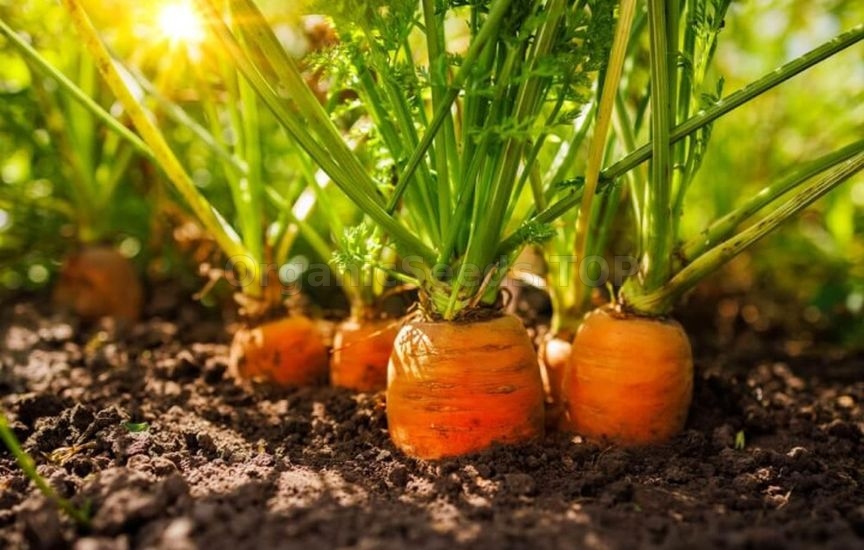 In other words, if, for example, after carrots we plant carrots again, they will lack important nutrients, this will weaken the plants and inevitably attract the carrot fly to the beds. You will have to make up for the deficiencies all season and spray the plantings with pesticides just to get something to grow. But if crop rotation is followed, the soil composition will be optimal, beneficial microorganisms will more actively process fertilizers into compounds available to plants. The number of phytopathogens and pests will decrease, and weeds will not grow uncontrollably. New plants will receive the necessary elements and water from the soil. Is it true that crop rotation practices protect plants from diseases and pests?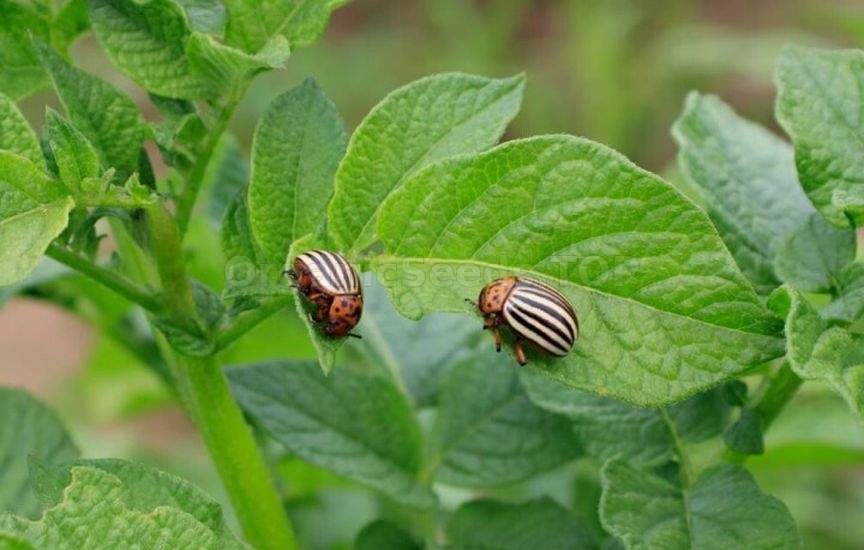 In other words, if, for example, after carrots we plant carrots again, they will lack important nutrients, this will weaken the plants and inevitably attract the carrot fly to the beds. You will have to make up for the deficiencies all season and spray the plantings with pesticides just to get something to grow. But if crop rotation is followed, the soil composition will be optimal, beneficial microorganisms will more actively process fertilizers into compounds available to plants. The number of phytopathogens and pests will decrease, and weeds will not grow uncontrollably. New plants will receive the necessary elements and water from the soil. How to properly rotate vegetable crops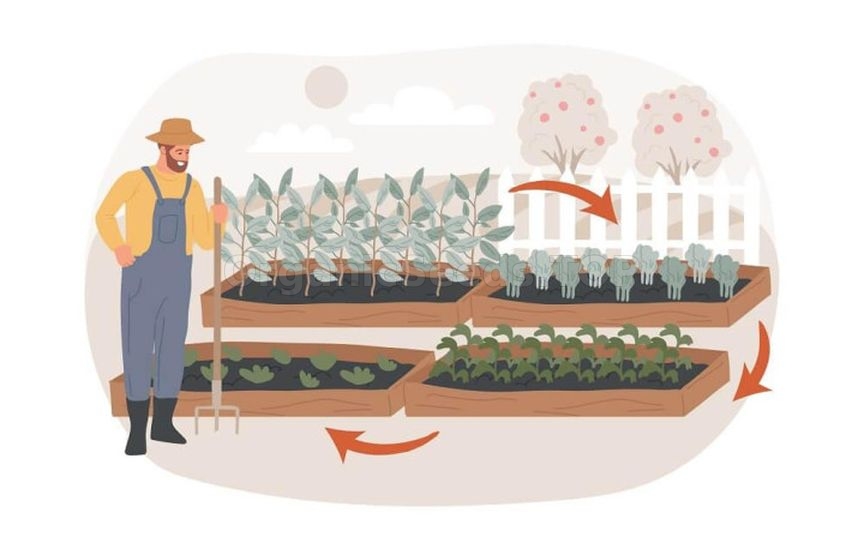 The main principle of crop rotation is proper alternation of crops. Without this, the desired effect cannot be achieved. Most often gardeners follow this rule: every year crops from different botanical families should be planted in the bed. For example, after tomatoes they plant not peppers or aubergines, which also belong to the nightshade family, like tomatoes, but choose onions, garlic or peas. To follow this rule, you will have to study which families all the crops grown in the garden belong to. But this is not the only thing worth paying attention to. Another important factor is the «gluttony» of the plant, i.e. the amount of nutrients it consumes during the season. Here it is enough to remember that cabbage, pumpkin, potato, cucumber and courgette need the most nutrition. 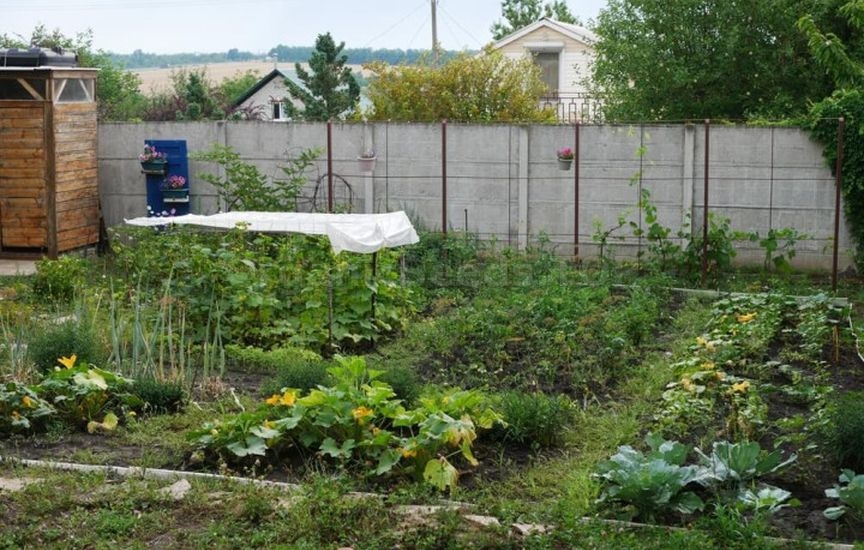 Then come the less «picky» vegetables: aubergine, pepper, bean, beetroot, tomato, melon. The most undemanding are considered to be radish, peas, onion and lettuce. Thus, in the first year after applying organic fertilizers, the most «demanding» plants should be planted first and then in descending order. For example, cabbage, followed by peas, then onions. It is also advisable to follow the rule «tops after roots», when after plants whose root crops are harvested, crops grown for their above-ground part are planted. And again, a simple example: after potatoes you can plant peas or cucumbers, and after cabbage – beetroot or carrots. On average, it is recommended to return a crop to its previous place after 3-4 years. Alas, there is no universal crop rotation scheme that could be applied to every plot. The thing is that, while following the principles of crop rotation, it is also important to take into account the type and composition of the soil, the groundwater level and other parameters. However, this does not mean at all that everything we discussed above can be completely ignored. It will simply take some time to establish annual rotation. In which cases it is not necessary to change the planting location of vegetables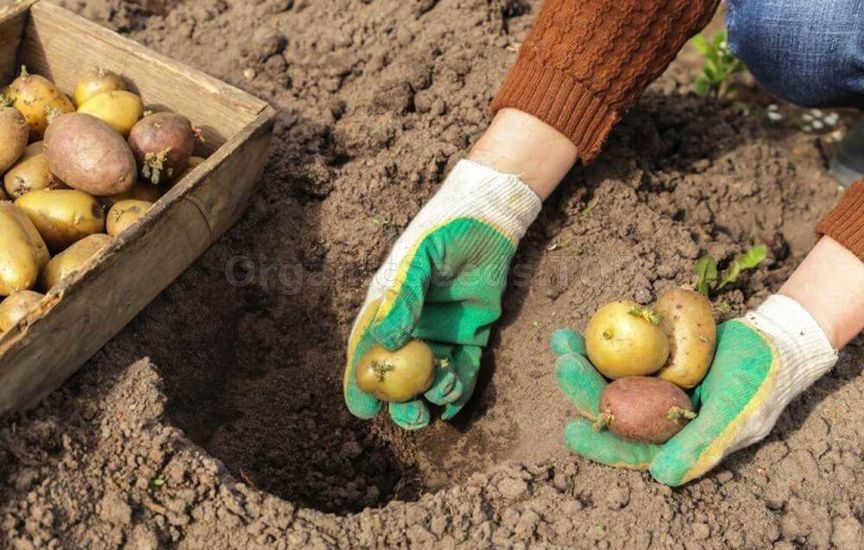 Some crops may be grown in the same place for several years in a row. First of all, this concerns potatoes, which many gardeners successfully cultivate in the same beds season after season. But in such conditions one should not forget about restoring the soil, using fertilizers and disinfecting the beds. Tubers should also be treated with biological preparations or dressed with systemic pesticides before planting. Tomatoes can also be grown in a greenhouse for two years in a row, but only on condition that the plants were not diseased in the previous season. But even in this case one should not forget about disinfecting the greenhouse, soil and tools. Planting onions after onions is not the best, but quite acceptable idea if it was impossible to find another place for the plant. The same applies to garlic. But subsequently it is necessary to keep a break of 3-4 years before returning these vegetables to the same bed. Sowing green manure after harvesting potatoes, tomatoes, onions or garlic allows for an annual crop rotation. 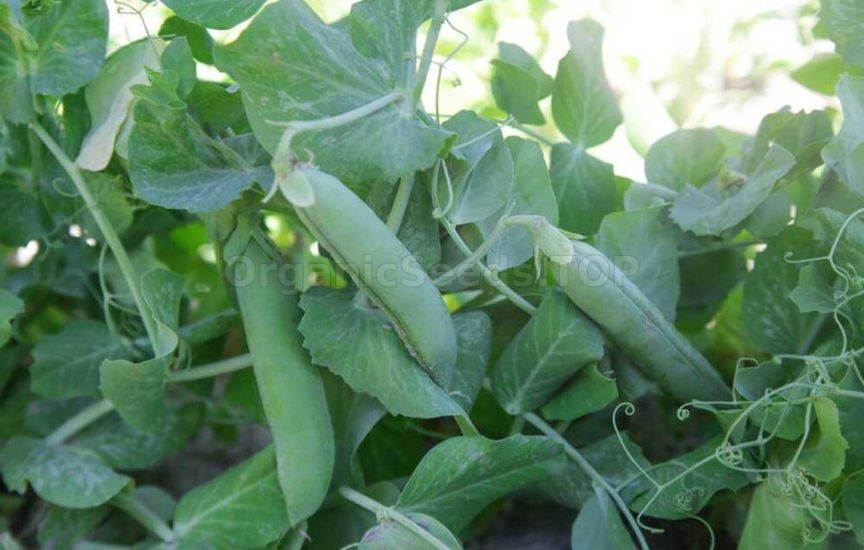 It will also be possible to grow several harvests of peas in one place, paying attention to the health of the soil. Among leafy crops, parsley can be cultivated in the same bed as a biennial and perennial sorrel. The particularly demanding crops that cannot be planted every year in the same bed include:
The planting location of vegetables, with rare exceptions, should be changed every year. This will allow you to grow a healthy and tasty harvest. You may need:Seeds of melonsSeeds of solanaceousRoot crop seedsLeafy vegetable seedsOrganic fertilizers |
|
|