
Winter sowing without mistakes: how to prepare the beds if the ground is already freezing |
Experienced gardeners know that with winter sowing of vegetable and ornamental crops, one should not rush – otherwise the seeds will germinate before the onset of frost and die. But what to do if you did not even have time to prepare the beds, and the ground has already begun to freeze?
Why sow seeds in winter at all? The thing is that seeds sown in late autumn undergo natural cold stratification – and in spring we get stronger, hardened and stress-resistant plants that get sick less often and are less susceptible to damage by insects. As a result of winter sowing, ornamental crops bloom earlier, and vegetable crops – give an early harvest. In addition, winter sowing allows you to somewhat relieve the busy spring days, when there is too much work in the garden and orchard. 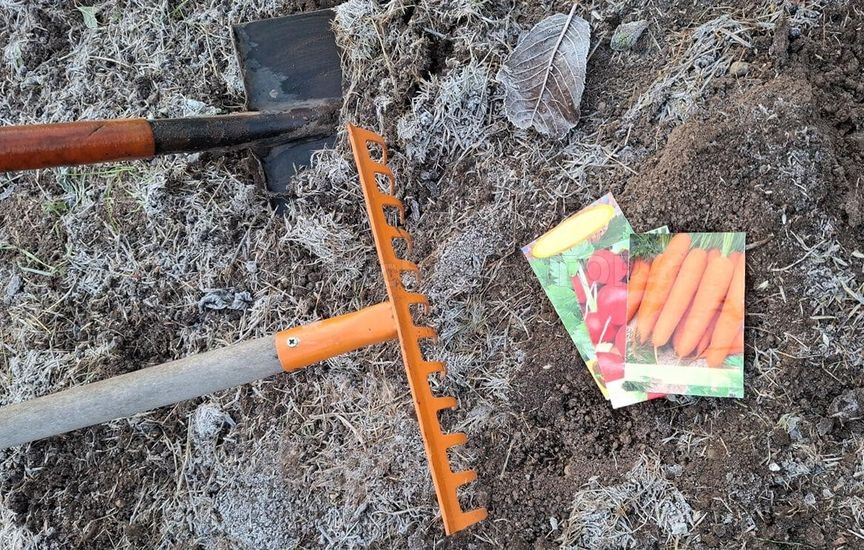 For winter sowing, you can use seeds that are nearing their expiration date. Even if some of the seeds do not sprout, in spring we will have the opportunity to sow some crop again. In late autumn, prolonged rains are suddenly replaced by frosts and snowfalls, and far from all summer residents have the opportunity to prepare the beds and sow seeds on time. But most often, frozen ground is not an obstacle to winter sowing. After all, it is carried out precisely during the period when frosts begin at night, and no warming is expected. How to prepare beds for winter sowing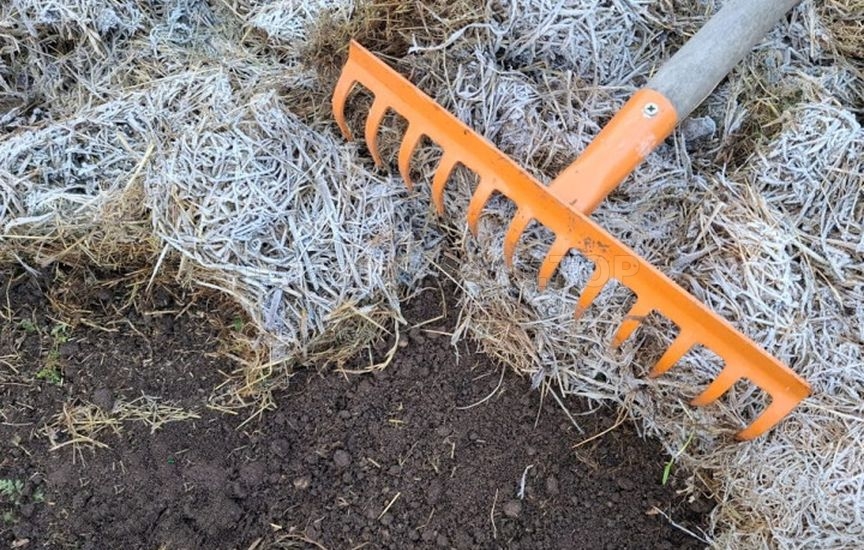 Ideally, for winter sowings, the beds should be prepared in advance, several weeks before frost: choose a well-lit and level place where there is no stagnation of water, clean the soil from weeds and plant residues, add compost or biohumus, phosphorus-potassium fertilizers, for example superphosphate and potassium sulfate, and then cultivate or dig the soil to the depth of half a spade. After that – level the soil surface with a rake, make grooves for sowing seeds and cover the beds with agrofabric, hay or other mulch until cold weather sets in. In addition, it is desirable to prepare in advance compost, dry garden soil or a mixture of peat with sand in order to cover the seeds if you have to sow them in frozen ground. If you did everything exactly like this, then with the onset of frost you will only need to remove the mulch or agrofabric to the side, carry out the sowing and return the mulching material to its place. When sowing in winter, seeds do not need to be soaked – they are sown dry. The planting rows are not watered – in autumn there is enough moisture in the soil. How to sow seeds in frozen ground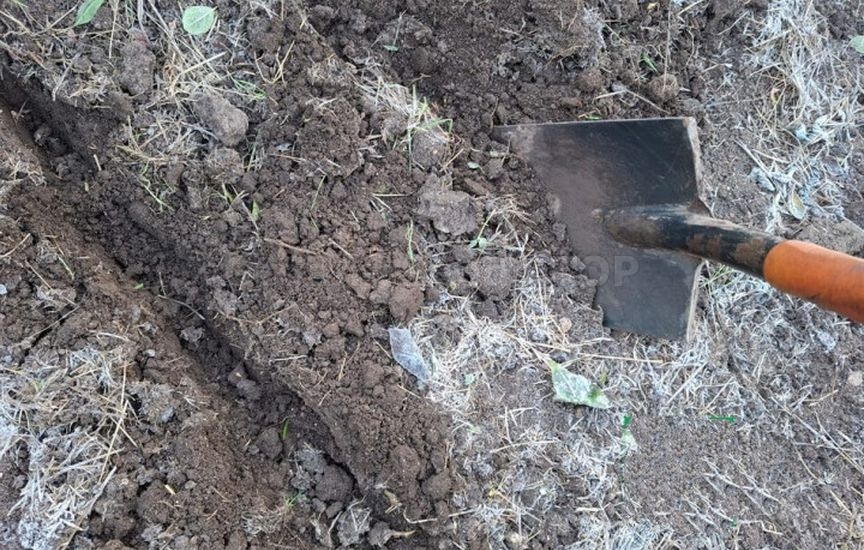 But what to do if the beds were not prepared, and the soil surface has already frozen? Digging and cultivating frozen ground is no longer worthwhile. If the ground is covered with a crust on top, frozen by 1-3 cm, take a sharp tool, for example a spade or a hoe, to break through the frozen top layer and make grooves of the required depth, on average 3-5 cm. With light frosts, the rows can be pressed even with the edge of a board. Then spread the seeds twice as densely as during spring sowing, cover them with pre-prepared dry soil, compost and lightly press the poured soil mixture with your palm or the back side of a rake. This will ensure tight contact of the seeds with the soil. If you did not prepare the soil for covering the seeds in advance, then do not use frozen clods for this. Bring the soil into a warm room for several hours or collect dry soil in a greenhouse – there the temperature is always higher than outside. You can also cover the seeds with biohumus, humus or universal peat soil for growing seedlings. On poor, depleted soil where organic fertilizers are not used, you can pour a small amount of sifted wood ash or organomineral fertilizer with a high content of potassium and phosphorus into the planting rows before covering the seeds. Such fertilizers, when moderately applied to the rows, will not harm the germinating seeds in spring, but will be able to provide full nutrition to the plants at the beginning of the growing season. If the ground is frozen by 10-15 cm and deeper, it will no longer be possible to make grooves for sowing seeds. In this case, the seeds can be laid out in rows directly on the soil surface, and then evenly covered with dry loose soil mixture, the layer thickness being 3-4 cm, and covered with spruce branches. What to do if green manure grows in the bed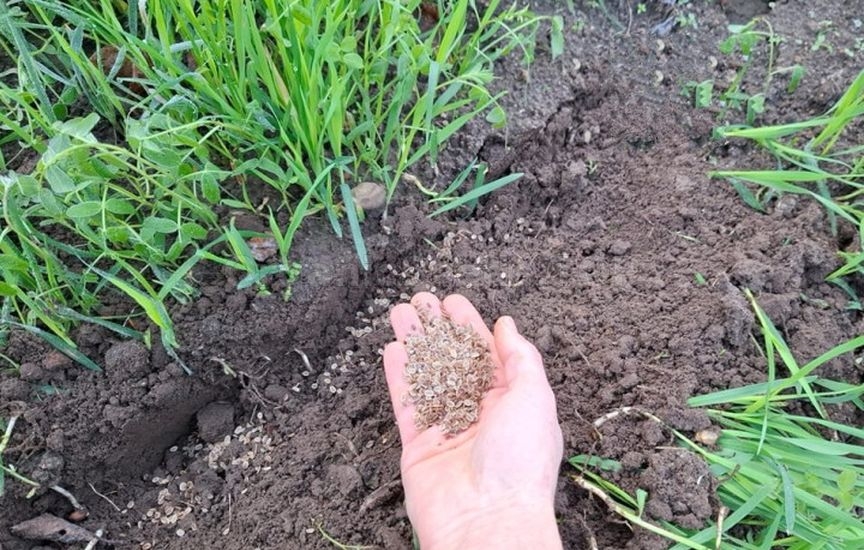 If you did not have time to mow and incorporate the green manure several weeks before winter sowing, it does not matter, the seeds can be sown directly into the bed with green manure crops, even with the onset of frost. Mow tall green manure with a trimmer at a height of 5-10 cm. There is no need to mow low plants, as they will serve for snow retention. Remove excess greenery from the sowing lines, rake the mown mass into the row spacing, freeing narrow strips for future rows. Then use a flat cutter, hoe or spade, if the top soil layer is frozen, to make planting rows, spread the seeds and cover them with prepared soil or compost. The roots of green manure that remain in the ground will rot in spring, making the soil loose. The green mass in the row spacing will serve as excellent mulch. And in spring you will see that there will be practically no weeds on such beds, and the crops sown in winter will not require special care. If you will sow seeds in a bed where winter green manure grows, then with the onset of warm days they will need to be cut with a flat cutter or a wide hoe so that they do not interfere with the plantings. Autumn weather is changeable, and it often happens like this: today the ground is frozen, and tomorrow warming will begin and rains will come. In this case, winter sowing can be postponed for another few days, and during this time prepare the beds and cover them with agrofabric. Do not forget that many cold-resistant crops, such as radish, daikon, leaf mustard, spinach, cress, leaf cabbage and others, sprout very quickly. Therefore, it is worth sowing plants in winter already with the onset of stable cold, when constant frosts begin at night, and the daytime temperature does not rise above 3°C. After sowing, it is desirable to mulch the beds. For this, you can use hay, straw, rotted sawdust, coniferous litter, peat. Mulch protects the seeds from freezing and maintains a stable temperature in the soil, which is very important for regions where there are thaws in winter and return frosts in spring. With the onset of warmth, the mulching material can be moved from the planting row to the row spacing – this will preserve moisture in the soil, prevent the bed from washing away and the formation of cracks on the soil surface. You may need:Vegetable seedsGreen manure seedsOrganic fertilizers |
|
|