
Sowing dates for seedlings: tips for gardeners |
Every year we eagerly await the new season to start planting and get the first harvest as soon as possible. But untimely sowing of seeds for seedlings can negatively affect the growth and development of plants, reduce yields: with early sowing, seedlings will overgrow, with late sowing – the fruits will not have time to ripen.
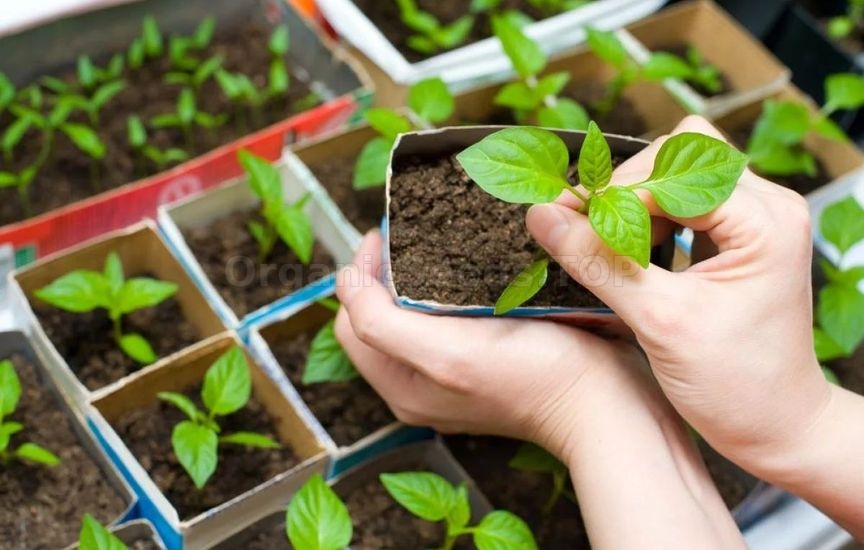 When growing at home, tomatoes, peppers, cucumbers, herbs, leafy vegetables can be sown at any time. The main thing is to install good phytolamps and choose varieties that are suitable for a container garden. But the sowing dates of those crops that we are going to plant in the beds should be clearly calculated. What determines the sowing dates of seeds for seedlings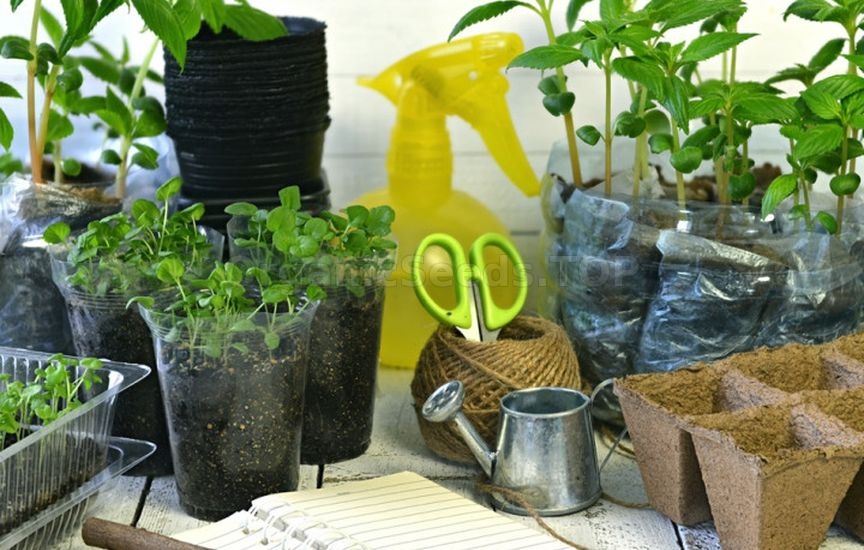 The sowing dates of seeds depend on three main factors:
Let’s look at everything in order. Seedlings of heat-loving plants are planted in the soil when the soil warms up to 12°C and the threat of frost has passed.
If you have a greenhouse, then seedlings can be planted in it two weeks earlier than in open ground. Although much depends on the design of the greenhouse and its tightness. If the greenhouse is made of high quality, there is the possibility of heating it on cold nights and opening vents in sunny weather, then plants planted in April will not suffer from return spring frosts and overheating. The main thing is to harden the plants before transplanting, accustom them to temperature fluctuations and bright sun. When planning sowing, it is worth considering the conditions in which the seedlings will be until the moment of planting. If you start sowing in February, when the daylight hours are still not long enough and the weather is often cloudy, then you should think about organizing additional lighting for the plants. The optimal length of daylight hours for seedlings of most crops is 14-16 hours. Illumination should be at least 6,000 lux. Sometimes it is difficult to organize the necessary light regime for seedlings. And if you are not going to illuminate the seedlings, or there is not enough space under the lamps for all the plants, then it is better to sow the seeds later, when the day becomes longer and there are more sunny days. How to calculate sowing dates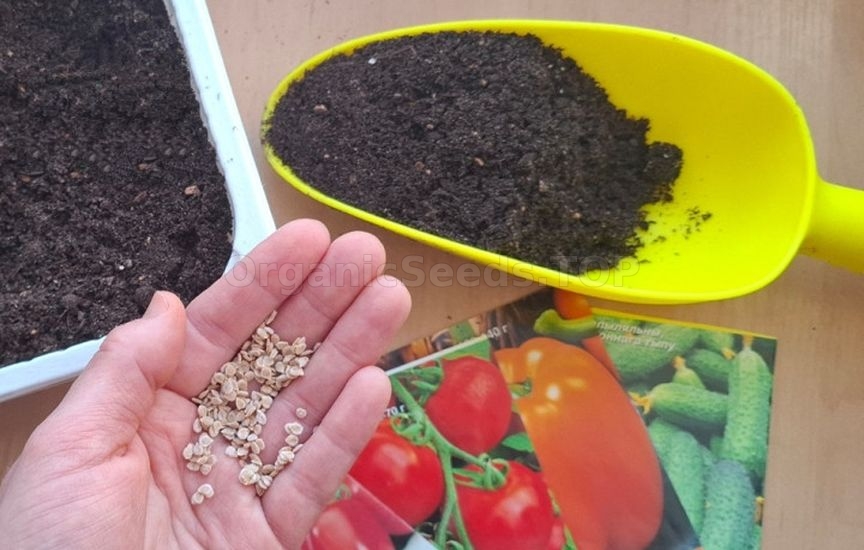 On average, peppers, eggplants, leeks, root celery are sown 70-80 days before planting seedlings in a permanent place, tomatoes – 50-60 days, cabbage – 35-45 days, and seedlings of cucumbers, watermelons and pumpkins will grow in 25-30 days. When calculating sowing dates, do not forget to add time for seed germination. If cabbage seedlings appear on the third-fifth day after sowing, cucumbers – on the fourth-sixth day, then eggplant or hot pepper seedlings may appear only 10-12 days after sowing. The germination time of seeds also depends on the variety, storage conditions of seeds and their pre-sowing treatment. Fresh seeds that were stored at a constant temperature in a dry and cool place have higher germination energy than old seeds that were stored in a warm room or in a country house with temperature fluctuations. So, when can you sow the main vegetable crops for seedlings:
When sowing eggplants, peppers, tomatoes, you should carefully study the features of the development of a particular variety and first sow seeds of late-ripening and mid-ripening varieties intended for growing in greenhouses, and then early-ripening varieties for open ground. As for cabbage, first sow seeds of early-ripening varieties, and then mid-late and late-ripening varieties intended for long-term storage. Leaf, cauliflower, Chinese cabbage can be sown several times per season. 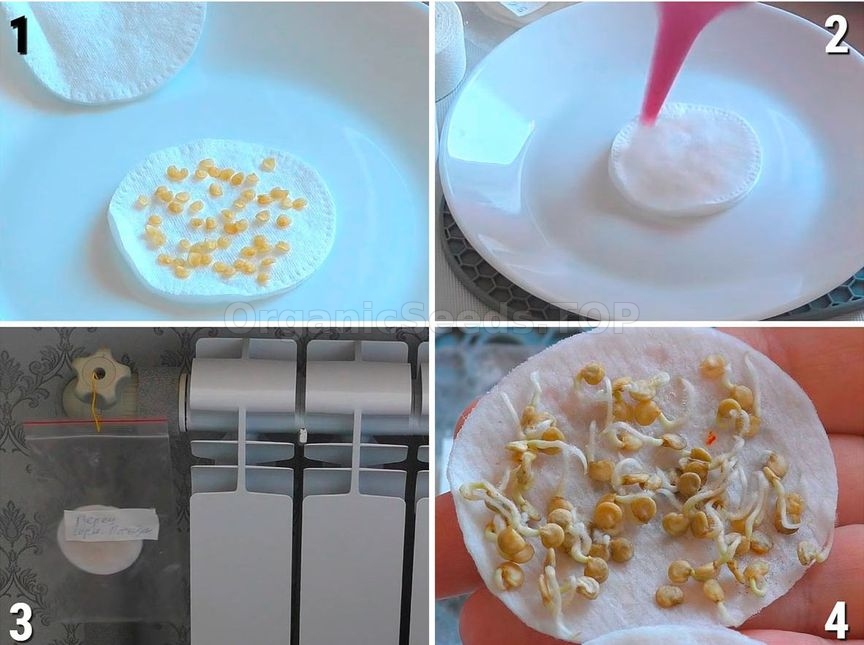 To make the seeds sprout amicably and quickly, you can soak them in a solution of a biostimulator (Epin, Zircon, succinic acid) or in a solution of a complex organomineral fertilizer that contains a full set of macro- and microelements. Natural remedies perfectly stimulate seed germination: infusion of wood ash (1 tsp per glass of water), honey (1 tsp per glass of water) or aloe juice diluted with melt or drinking water in a ratio of 1:1. Seeds can be kept in such solutions for 5-6 hours, and then proceed to sowing or leave in a damp cloth for germination. When starting to grow seedlings, do not forget to keep an observation diary: record the sowing time, features of seedling development of a particular variety. As a result, over the years you will form a clear idea of the sowing dates of various crops. You may need:Vegetable seedsFlower seedsOrganic fertilizers |
|
|