
Why cucumbers become bitter and how to avoid it |
Even the most beautiful and appetizing-looking cucumbers can turn out to have an unpleasant surprise – bitter flesh. To avoid harvesting cucumbers with such a specific taste, it is worth understanding the causes of the problem in advance and following a few simple preventive measures.
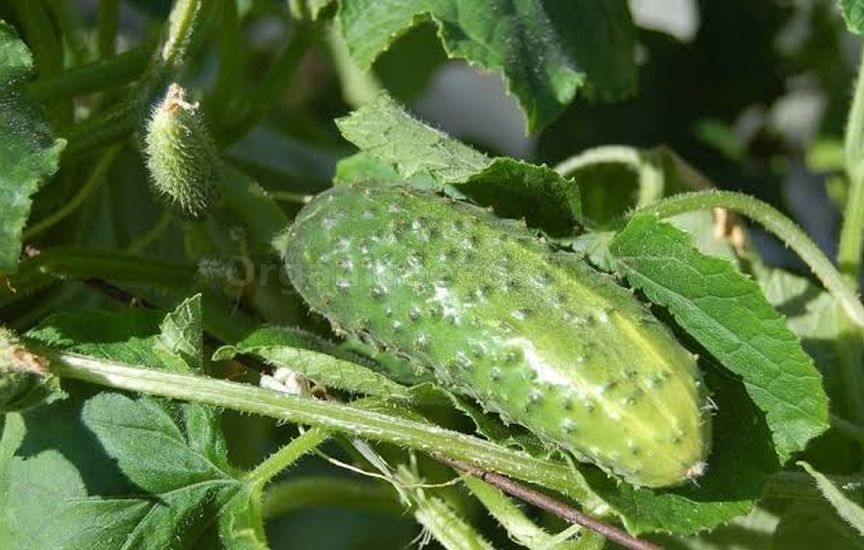 During the course of evolution, the wild ancestors of the cucumber developed special mechanisms to protect their offspring from being eaten by herbivores: the juicy fruits became covered with spines, the leaves at the early stages of development became denser and inedible. In addition, they began producing specific substances that attract beneficial insects which feed on pests, as well as the glycoside cucurbitacin, which gives the fruits and other parts of the plant their bitter taste. It is cucurbitacin that is "responsible" for harvested cucumbers being so bitter that they are almost impossible to eat. So how can this unpleasant problem be avoided? You should start thinking about the taste of your future cucumber harvest as early as the seed selection stage. The fact is that some plants are genetically more prone to accumulating cucurbitacin. Therefore, it is advisable to choose cucumber varieties that are free from bitterness. However, even this is not a guarantee. Seeds from bitter cucumbers should not be used for sowing, otherwise the next harvest will also be bitter. 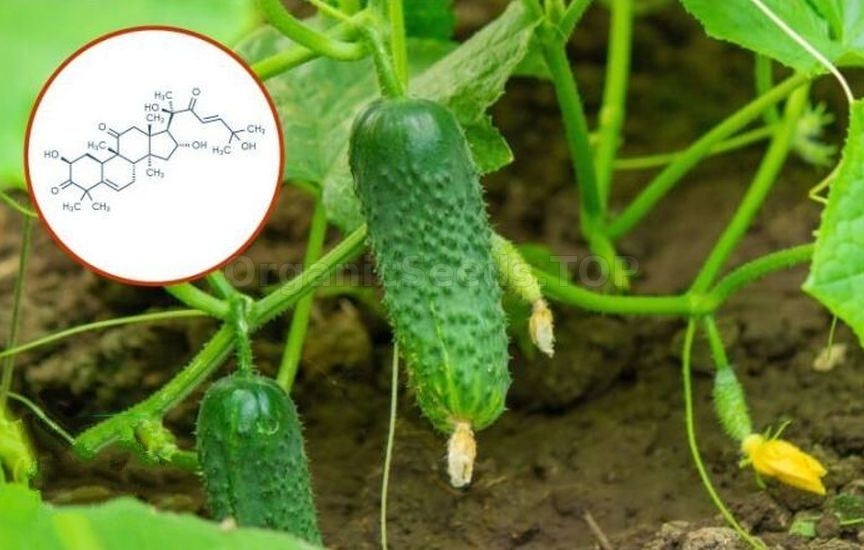 Cucurbitacin is always present in the leaves, stems, and roots of cucumbers, while its increased production and accumulation in the fruits occurs during periods of stress caused by unfavorable weather conditions, care mistakes, or attacks by insect pests. Most often, cucumbers become bitter for the following reasons:
Even short-term exposure to just one of these factors is enough for cucumbers to become bitter.
The highest concentration of cucurbitacin is found near the stem end and in the cucumber skin. Are bitter cucumbers dangerous to human health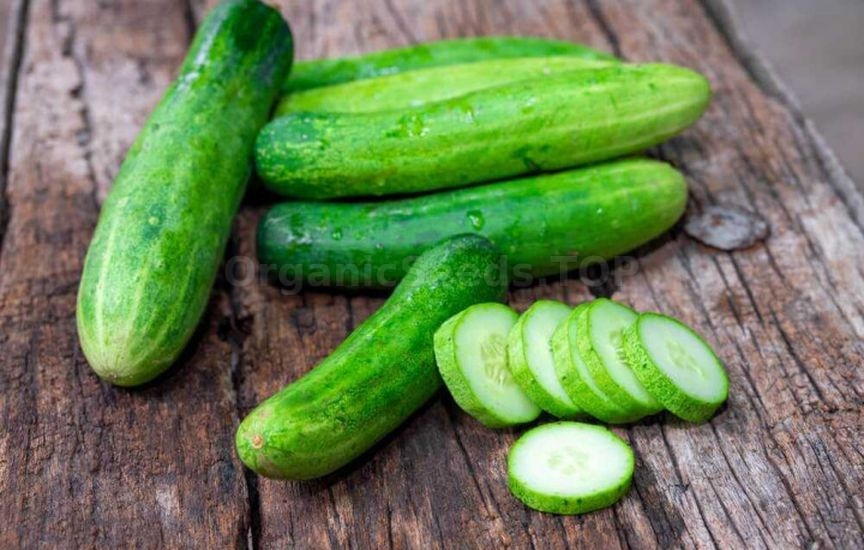 No, bitter cucumbers are not dangerous. On the contrary, eating such fruits in small amounts is considered beneficial because cucurbitacin has anti-inflammatory and anticancer properties and helps reduce blood sugar and cholesterol levels. If the bitterness is too strong and even removing the skin and the stem end does not help, it is better to process the cucumbers by preserving, baking, or simply soaking them in water. During preparation, cucurbitacin breaks down, making the vegetables much more pleasant in taste. Before soaking, cucumbers should be peeled and cut into pieces. Salt may be added to the water (1 tbsp per 1 liter of water). Keep the vegetables in this saline solution for 30–60 minutes. Whole cucumbers should be soaked for at least 8 hours, changing the water regularly. How to avoid bitterness in cucumbers – care secretsTo prevent cucumbers from becoming bitter, we recommend following these simple rules. Proper watering of cucumbers 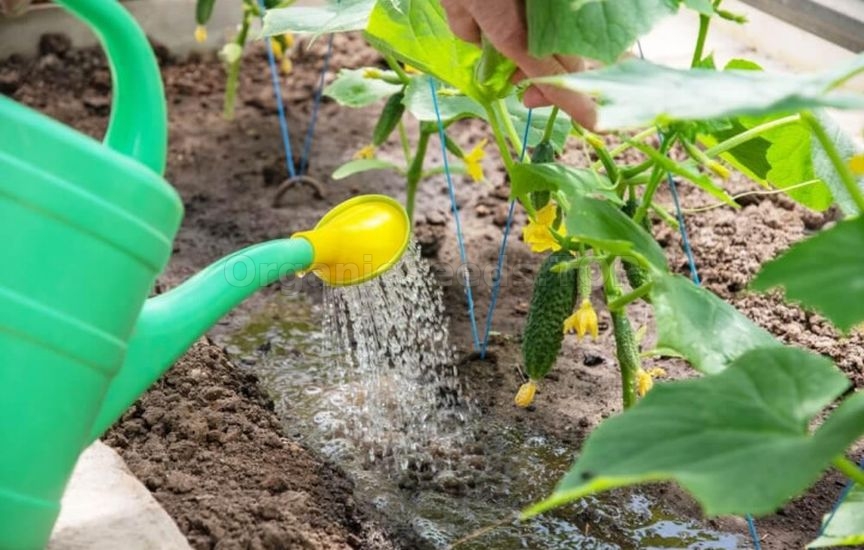 Cucumbers are moisture-loving plants. Prolonged lack of water causes severe stress, which later results in flower and ovary drop, fruit deformation, and excessive accumulation of cucurbitacin in the fruits. It is important to water cucumber beds regularly as the soil dries out, using warm water (23–25°C). Cold water will only add more stress to the plants. The lighter the soil on your site, the more frequently watering is needed. It is also important to monitor the weather and reduce watering if it is cloudy and cool outside. The soil should be moistened to a depth of up to 20 cm. Frequent shallow watering encourages the root system to develop only in the upper soil layer rather than deeper down, which is very dangerous for the plants: once the soil dries out significantly, the roots begin to die. Restoring the health of such plants afterward is extremely difficult. In hot weather, cucumbers are best watered in the morning or evening so the water has time to reach the deep roots instead of evaporating within minutes. Avoid getting water on the leaves and fruits—water only at the base of the plants to reduce the risk of fungal diseases. Protecting cucumbers from unfavorable weather conditions 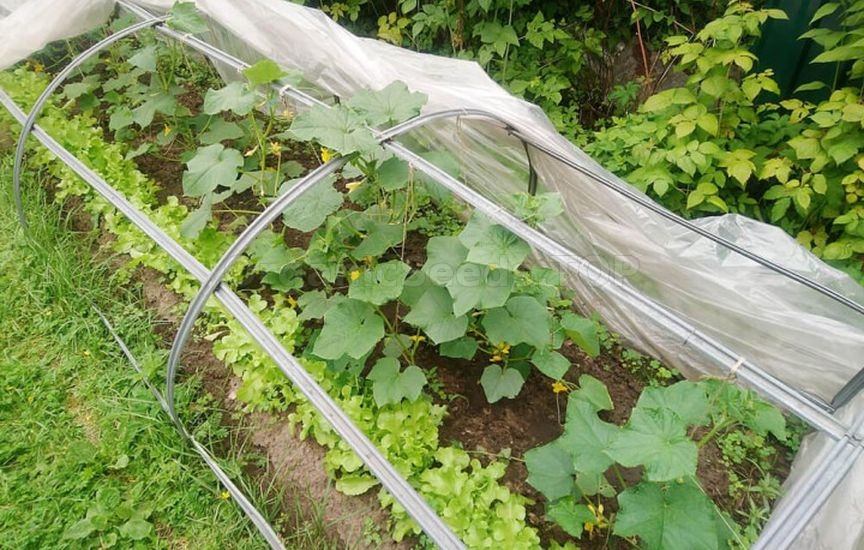 In open beds, daytime heat is often replaced by cold nights. To protect cucumbers, it is useful to install a frame made of hoops and cover it with spunbond or another nonwoven material. Such a cover protects against sudden temperature drops and also shields plants from scorching sunlight during the day. Bottles filled with warm water placed between the plants will also help keep cucumbers warm during cold nights. At temperatures below 10–15°C, cucumbers stop growing. Short-term drops to 5°C cause severe stress and may lead to the complete death of the plants. Temperatures above 30–35°C are also dangerous, as plants shed their ovaries and age more quickly before producing a quality harvest. Conditions in a greenhouse are not always ideal either: drafts, overheating, stagnant air, excessive humidity, or dryness can all become problems. Therefore, regular ventilation is essential. On cold, windy, and cloudy days, the greenhouse should remain closed. On warm and sunny days, ventilate it, but avoid creating strong air currents (open only the door or window on one side, or only the upper vents). If cucumbers have already experienced stress, an emergency treatment with anti-stress products (such as Epin-Extra and others) may help. Proper fertilizing of cucumbers 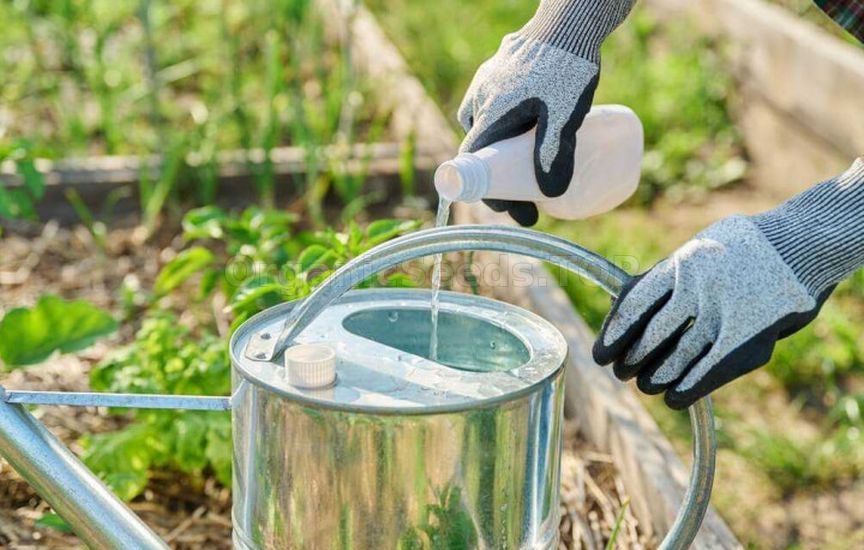 Nutrient deficiency is one of the most common reasons why cucumbers become bitter. Regular fertilizing throughout the growing season (every 2–3 weeks) will help save the harvest. It is advisable to alternate between organic and mineral fertilizers. During dry and cool weather, when the roots function less efficiently, foliar feeding can also be carried out. During the fruiting period, cucumbers need phosphorus, potassium, and other macro- and micronutrients. To help plants receive these valuable nutrients more quickly, it is important to choose the right fertilizers. It is very beneficial to apply humus, compost, or vermicompost under the plants (1–2 kg per plant). Wood ash infusion or fermented weed infusion can also be used. 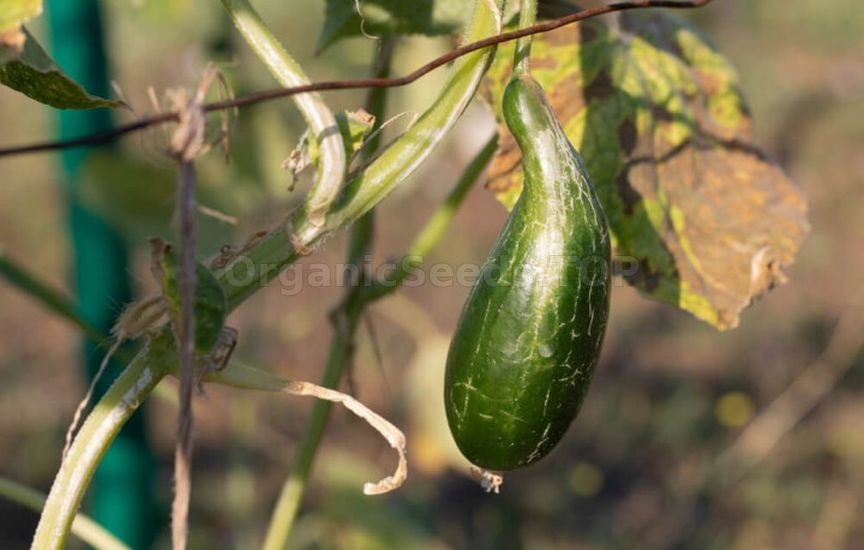 Misshapen and bitter cucumbers, along with leaves that dry out along the edges, indicate an acute potassium deficiency. However, excessive potassium application should also be avoided, as it interferes with the absorption of other mineral nutrients. After watering and fertilizing, cucumber beds can be mulched with hay or other organic material. This protects the soil from rapid drying and temperature fluctuations while reducing the need for weeding. Another advantage is that beneficial soil bacteria develop more actively under mulch, strengthening the plants' immunity. Protecting cucumbers from pests and diseases 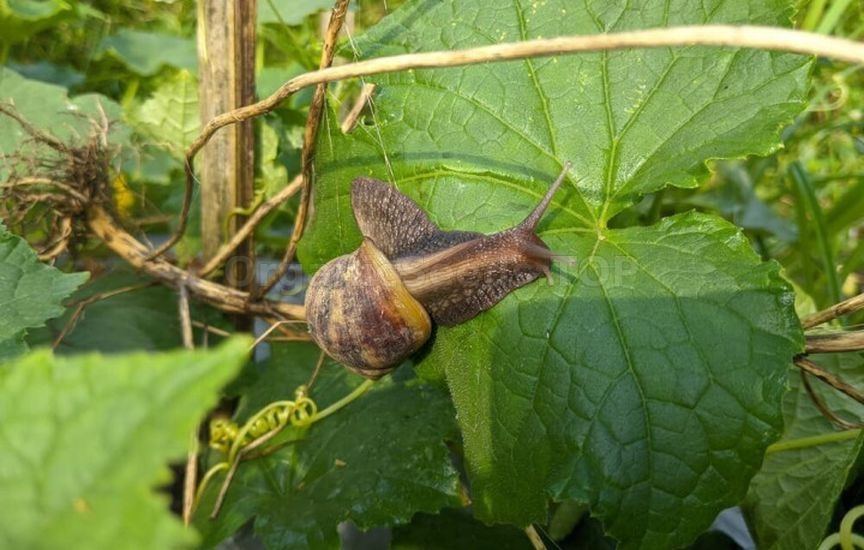 Cucumber leaves and fruits attract numerous garden pests, including whiteflies, snails, slugs, spider mites, thrips, aphids, nematodes, and others. Plants are also attacked by pathogens causing anthracnose, downy mildew, late blight, bacterial diseases, and more. As we already know, damage to the plants triggers active cucurbitacin production. Therefore, it is important to use preventive protection methods and carry out regular preventive treatments. Chemical pesticides should not be used during the fruit ripening period. The best option is biological products containing natural compounds against diseases and pests, as well as traditional remedies. 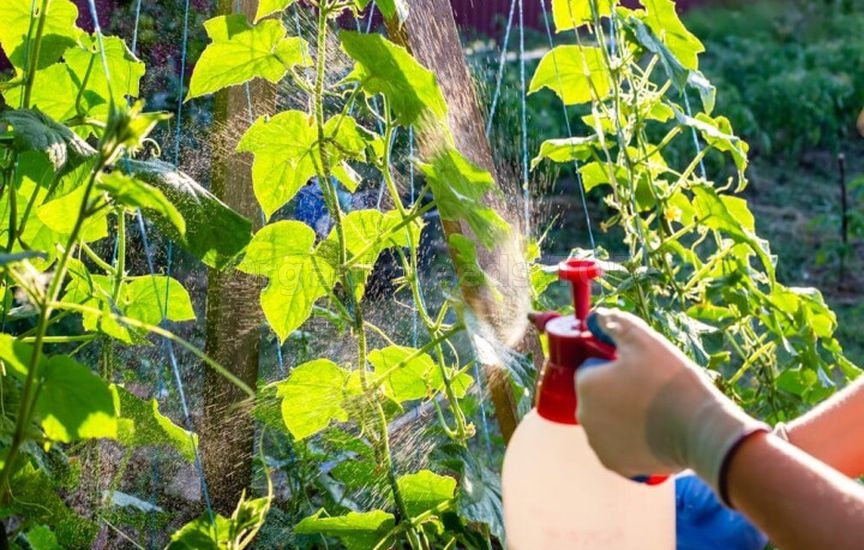 Fitoverm and similar products are effective against pests. Traditional remedies may also be used, such as spraying with infusions of tansy, garlic, or mustard. Fitosporin-M and similar products help protect against diseases. Neem tree oil has strong fungicidal properties and also helps repel insects. Cucumbers can also be sprayed with infusions of garlic, turmeric, or horsetail. Treatments should be carried out regularly, every 10–14 days. If signs of diseases or pests have already appeared, remove the most heavily damaged leaves before spraying. We hope these tips will help you grow plenty of delicious and sweet cucumbers. If proper care does not produce the desired results, we recommend paying attention to your soil fertility and improving it if necessary. You may need:Cucumbers seedsFlower seedsOrganic fertilizers |
|
|