
Couch grass is «taking over» the garden: what to do right now |
Couch grass (Elymus repens) - is a true plant aggressor, capable of turning well-kept garden beds into a solid green "carpet" within just a couple of seasons. This weed deprives cultivated plants of water and valuable nutrients, suppresses their growth, and reduces yields.
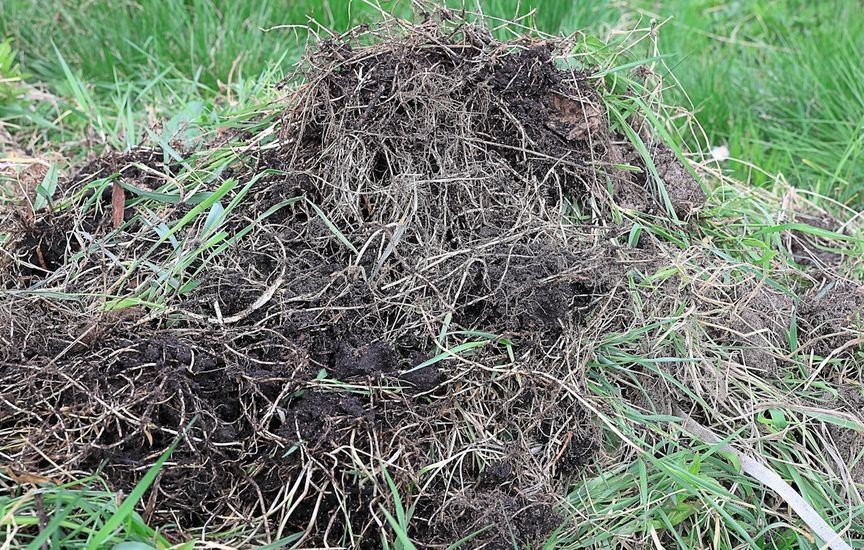 Getting rid of couch grass is far from easy. Why couch grass is so difficult to eliminateCouch grass is considered one of the most persistent weeds in home gardens. Its main feature is its powerful root system, which makes the plant almost impossible to destroy. In the soil, couch grass forms long, branching rhizomes. Most of them lie at a depth of 5-15 cm, but by the end of June they begin to grow deeper and, if no control measures are taken, can reach a depth of 2.5 m within three years.
Each rhizome contains hundreds of dormant buds. As soon as you cut off the above-ground part or chop the root with an ordinary spade, every isolated bud awakens and produces a new independent plant. This is why standard quick weeding often has the opposite effect: the weed starts growing even more densely. 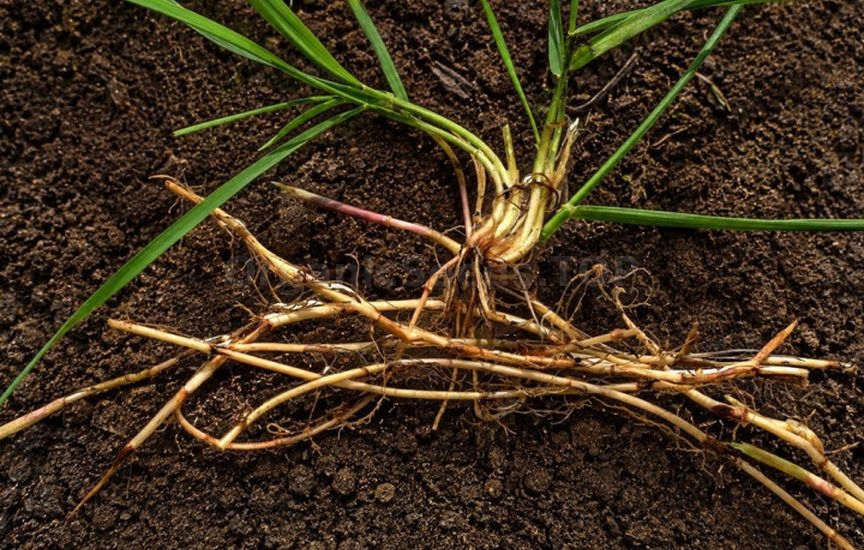 Another distinctive feature of couch grass is its exceptional resistance to unfavorable conditions. This weed easily survives severe frosts, prolonged drought, and temporary flooding caused by spring waters. Its roots are capable of penetrating even dense clay layers and growing through the boards of old raised beds. In addition, couch grass actively competes with cultivated plants. Its roots absorb moisture and nutrients from the soil, while its dense above-ground growth shades young plantings. If its spread is not controlled, couch grass can eventually occupy every free space between garden beds and within the beds themselves, spread beneath shrubs, and even appear in lawns. To get rid of this weed, you need to act systematically, destroying not only the green leaves but, more importantly, the root system itself. And this battle should not be postponed until the end of the season—it should begin as soon as couch grass appears on the property. Young plants are much easier to remove than dense patches that have already formed an extensive network of rhizomes. Mechanical removal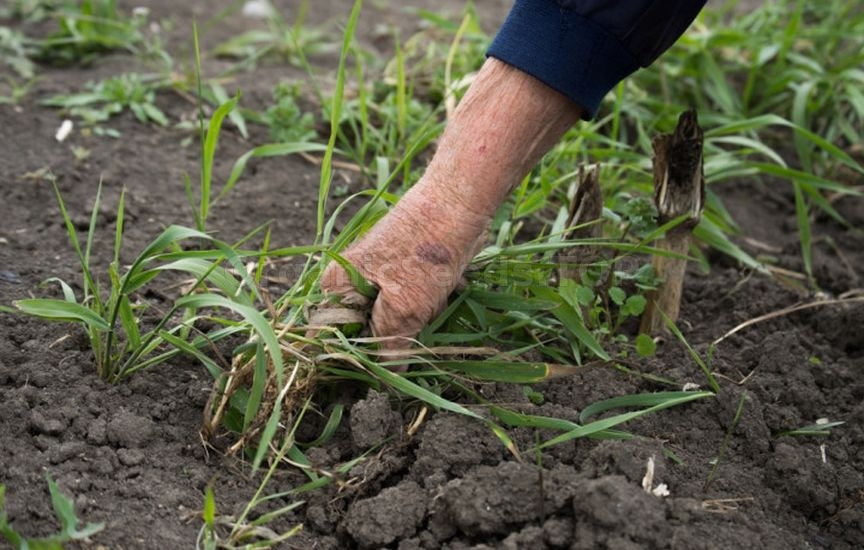 Hand removal remains one of the most common and environmentally friendly methods of controlling couch grass. It is best done after rain or thorough watering, when the soil becomes soft. In loose soil, the rhizomes are easier to pull out and are less likely to break. When fighting couch grass, it is highly undesirable to use a traditional spade for digging. A spade cuts the long, cord-like roots into small pieces, making it physically impossible to remove them all from the soil. Even fragments only a couple of centimeters long left in the ground will produce new shoots within a week. As a result, instead of one plant, you end up with several new infestations. It is better to work with a garden fork or a special root weeder. Carefully lift the soil slightly below the level of the roots, raise it, and gently shake off the soil. The exposed white rhizomes should then be removed by hand, trying not to leave behind even the smallest fragments. Thorough hand-sorting of the soil is hard, repetitive, and time-consuming work, but only this approach provides long-term results. It is most often used in small areas, for example, when preparing new beds for strawberries or root crops. However, even with careful work, it is impossible to guarantee that every root has been removed. Therefore, the area should be inspected regularly and the procedure repeated. Over several seasons of systematic effort, the amount of couch grass will decrease noticeably. Special attention should be paid to disposing of the extracted roots. Never throw them fresh into a regular compost pile. Couch grass roots remain viable for years and thrive in compost, later spreading throughout the garden together with the finished compost. The collected rhizomes should be thoroughly dried in the sun until they become dry and brittle, after which they can be burned. The depletion method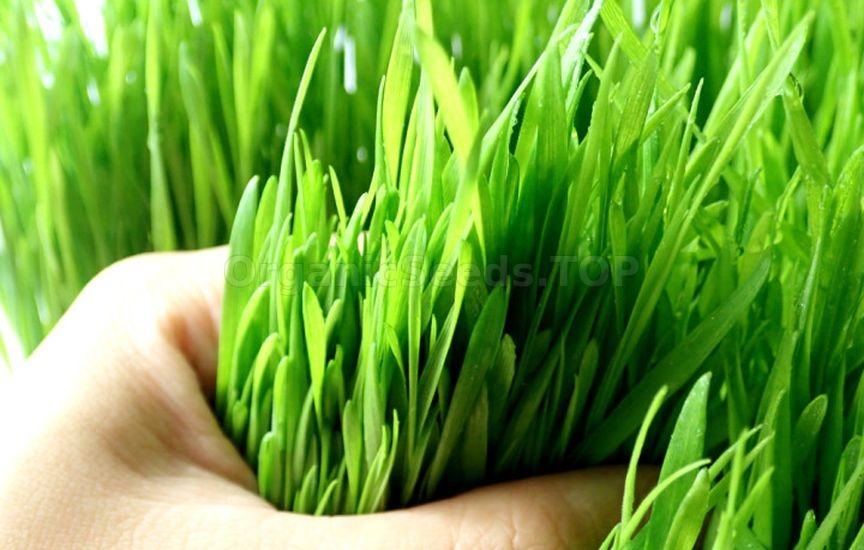 If you do not have the time or energy to dig through the soil with a garden fork while trying to remove every centimeter of rhizome, you can use the systematic depletion method. This approach is based on plant biology and works very well, but it requires consistency. Every plant, including couch grass, uses energy stored in its roots to produce new shoots. Once the leaves develop, they begin returning nutrients back to the roots through photosynthesis. The essence of the depletion method is to cut the green shoots of couch grass at soil level just as the weed begins producing its first leaves, preventing the roots from replenishing their nutrient reserves through photosynthesis. As soon as the young green leaves reach 5-8 cm in height, they should be cut, forcing the roots to use their stored nutrients once again to produce new growth. If this procedure is carried out regularly (approximately every five to seven days), the root system of couch grass will gradually become exhausted. Each new flush of shoots will become thinner, paler, and weaker, and after several months of continuous control, the weed will die naturally from complete depletion of its internal reserves. The biggest mistake is allowing couch grass to produce large leaves. If that happens, it will restore its strength, and the entire process will have to start over. Mulching to control couch grass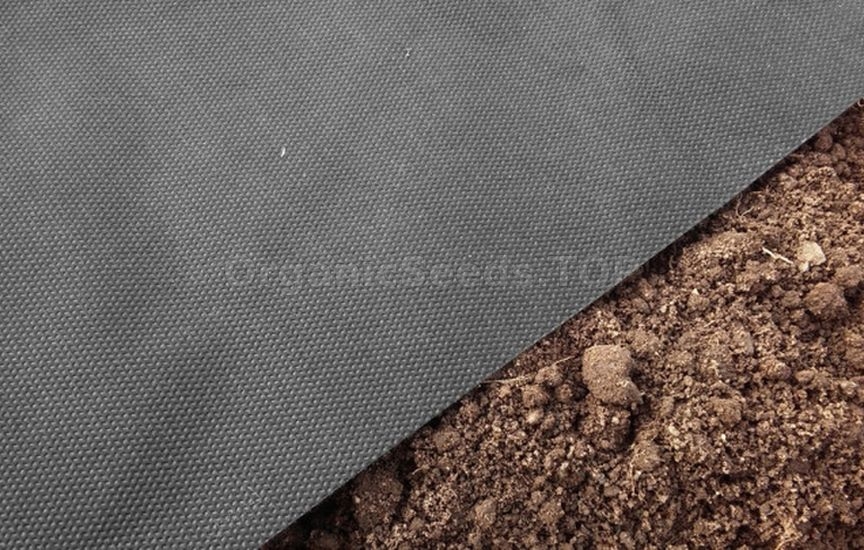 One of the simplest yet quite effective ways to clear large areas of couch grass is mulching. The principle behind this method is that, deprived of sunlight, the weed begins using up the nutrients stored in its roots and gradually weakens. Eventually, after several months, it dies because no green plant can survive without photosynthesis. This method is ideal for reclaiming neglected or uncultivated areas that you plan to plant only in the following season. The best covering materials are thick black polyethylene film, heavy-duty black landscape fabric, or ordinary thick cardboard from packing boxes laid in several overlapping layers. Before covering, tall grass should preferably be flattened or mowed. The chosen material is spread tightly over the soil surface, and its edges are securely weighted down with bricks, boards, or covered with a thick layer of soil to prevent the wind from lifting it. In established vegetable beds or flower beds, you can use straw, freshly cut lawn grass, well-rotted sawdust, shredded bark, or other suitable materials. A thick layer of organic mulch not only helps suppress couch grass but also conserves soil moisture, protects the roots of cultivated plants from overheating, and improves soil structure. Sowing green manure crops to suppress couch grass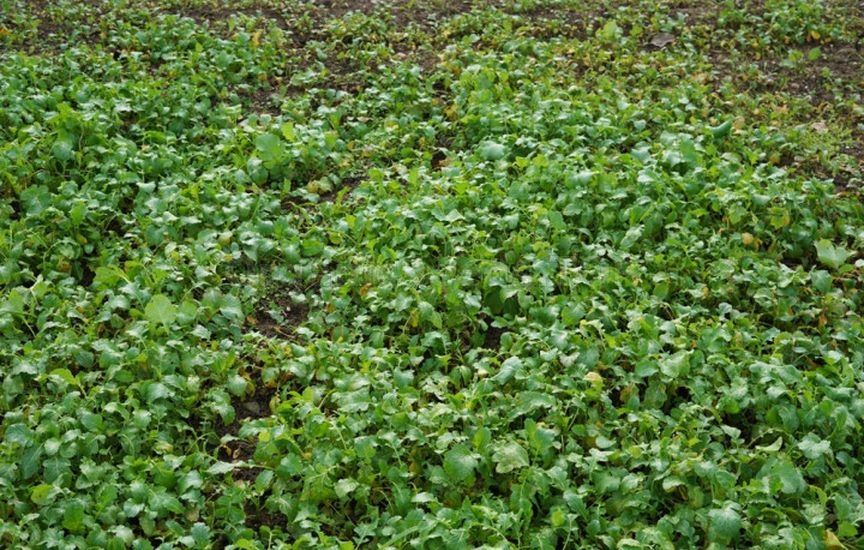 Sometimes an effective strategy is not only to fight the weed directly but also to create conditions in which it finds it more difficult to thrive. Couch grass grows especially well in open areas with loose, unoccupied soil. If the land is constantly occupied by other plants, there is much less free space available for the weed. After harvesting vegetables, garden beds heavily infested with couch grass can be sown with green manure crops—plants grown specifically to improve the soil. Winter rye, buckwheat, oilseed radish, mustard, and rapeseed are commonly used against couch grass. These crops grow rapidly, quickly forming a dense green canopy that shades the soil and prevents couch grass from developing. An additional benefit is a significant improvement in soil structure and fertility after the green manure crops are incorporated into the soil. Dense planting of ornamental or vegetable crops wherever possible also produces good results. Well-maintained plantings with very little bare ground naturally become a barrier to many weeds. Chemical products against couch grass When couch grass has completely "taken over" the area and mechanical methods require too much time and effort, herbicides—chemical products used to destroy vegetation—may provide a solution. They are especially common when preparing a new area for a lawn, orchard, or vegetable garden. The most suitable time to apply herbicides is after harvesting in late autumn or in spring, several weeks before planting cultivated crops. To control perennial weeds, non-selective herbicides are used. Once they reach the green leaves, they are gradually absorbed into the plant tissues and carried with the sap deep into the root system, where they completely block vital processes and cause the weed to die together with its roots. After applying herbicides, you must wait for the period specified before planting cultivated crops. It is also important to follow all safety precautions: wear protective clothing, avoid getting the solution on desirable plants, and always use these products strictly according to the manufacturer's instructions, never increasing the dosage in the hope of achieving faster results. The chemical method should not be considered the only solution. Even after successful treatment, some weeds may reappear, so it is important to keep the area well maintained and prevent the weed from spreading again. Once the main work has been completed, it is important not to allow couch grass to return. Regularly inspect the area, remove young shoots, and never leave bare patches of soil unattended. Pay particular attention to the edges of the property, pathways, areas along fences, and spaces beneath shrubs. These are the places from which couch grass often begins spreading again. Regular maintenance will help keep the situation under control. You may need:Ornamental lawn grass seedsGreen manure seedsOrganic fertilizers |
|
|