
Winter frosts have arrived: what garden tasks can you still complete? |
The first snow and night frosts are not a sign that it is time to stay indoors and forget about your garden until spring. In fact, they signal the final stage of essential winter preparation. If you have not finished everything yet, do not worry. There are still several important tasks that should be completed now, after stable subzero temperatures have set in.
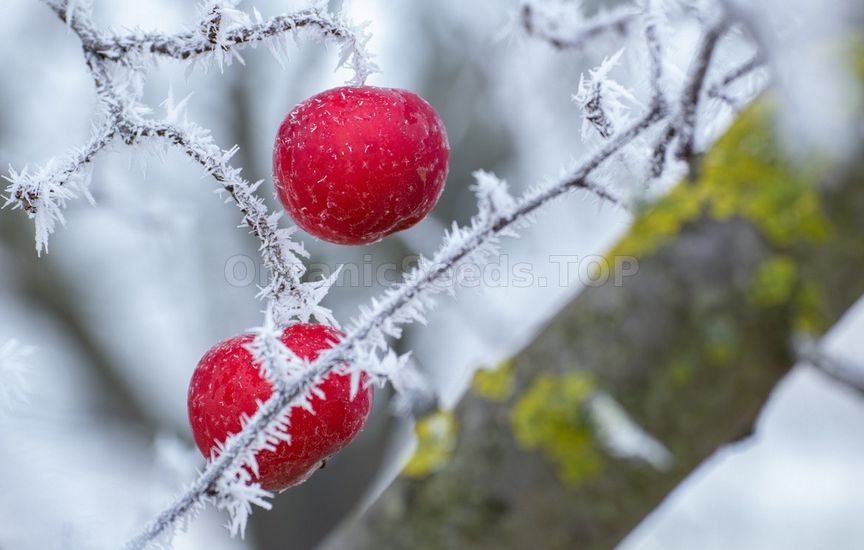 What needs to be done to help your garden survive the winter without losses Cover roses, clematis and hydrangeasOnce the ground has been lightly frozen and temperatures consistently stay around –2 to –5°C, it is the perfect time to protect frost-sensitive plants.
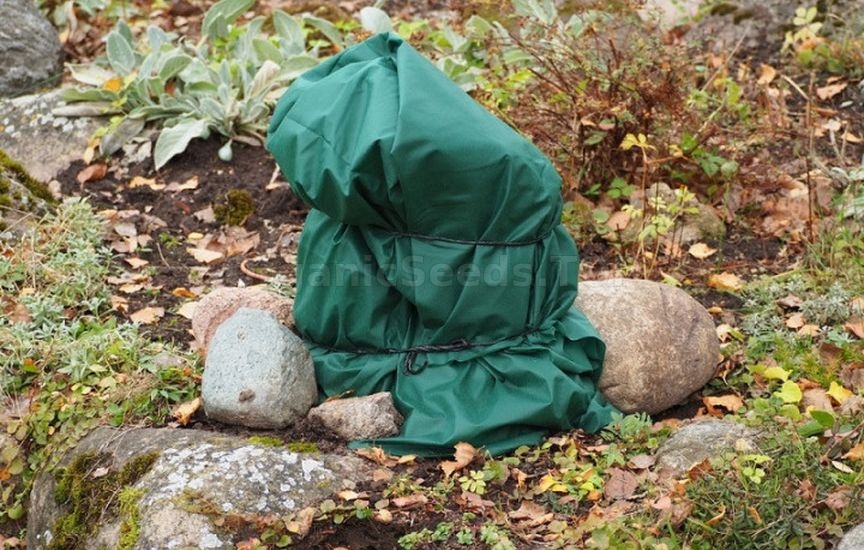 Roses. Remove climbing varieties from their supports, prune excess growth, and mound soil or peat around the base of the bushes. Cover them with spruce branches or dry leaves, then place hoops over the plants and stretch spunbond fabric on top. Do not cover roses too early, as they may become damp and rot, but do not wait until severe frosts arrive. Clematis. Prune the vines according to their pruning group, then cover the base of the plant with peat or compost. Add a layer of dry material such as spruce branches or leaves and protect it with a box or spunbond covering. Hydrangeas. Tree and panicle hydrangeas can simply be heavily mounded with soil. Bigleaf hydrangeas require more protection: bend the branches to the ground, secure them in place, cover them with spruce branches and several layers of spunbond, while leaving ventilation openings. Mulch tree circles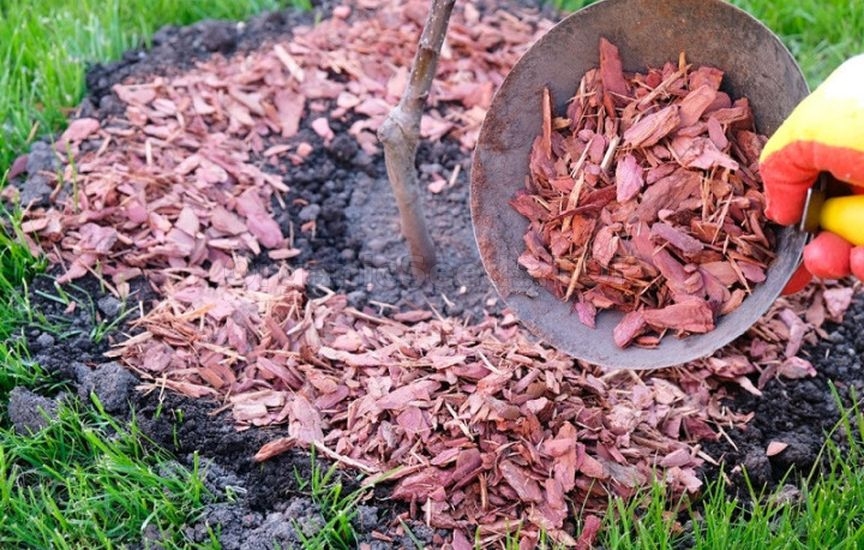 After the first frosts, when pests and diseases are no longer active and the soil surface has frozen, it is time to mulch around trees. This helps protect the root system from deep freezing and sudden temperature fluctuations. Use well-rotted manure, compost, peat, or dry leaves in a layer 5–10 cm thick. Do not place mulch directly against the trunk. Leave a small gap to prevent bark damage and decay. Wrap tree trunks with spruce branches, mesh or spunbondYoung and ornamental trees with thin bark, especially fruit trees, need protection not only from frost but also from sunscald and rodents.
Wrap trunks with spruce branches, placing the needles downward. This is a traditional and environmentally friendly method. Plastic tree guards or mesh can also be used to protect against hares. Alternatively, wrap trunks with spunbond or burlap to protect the bark from frost cracks and spring sun damage. Avoid using polyethylene, as the material must remain breathable. Set out rodent baits and trapsAs temperatures drop, mice and hares begin searching for food closer to homes and gardens. To protect tree bark from damage, place rodent baits in secure bait stations if there are no pets or birds on the property, or install mechanical traps.
Place elderberry or blackroot branches near tree trunks, as their scent may help deter rodents. Store and maintain garden toolsNow is the time to get your tools organized. Put away hoses after draining all water, along with shovels, rakes, wheelbarrows and sprayers. Clean dirt from all equipment, oil metal parts and store everything in a dry location.
Keep pruning tools such as secateurs and loppers accessible. Sharpen and lubricate them now. During winter and early spring, you will need them to remove dead or damaged branches, and dull tools can injure trees. Store pruners in a warm place so they remain comfortable to use. Take out or buy snow shovels and brushes Don't wait for the first heavy snowfall. Check that your snow removal equipment is in good condition. Prepare snow shovels for clearing paths. Buy or take out soft brushes for gently removing snow from shrubs and young trees. This is important to prevent branches from breaking under the weight of snow. Remove plant debris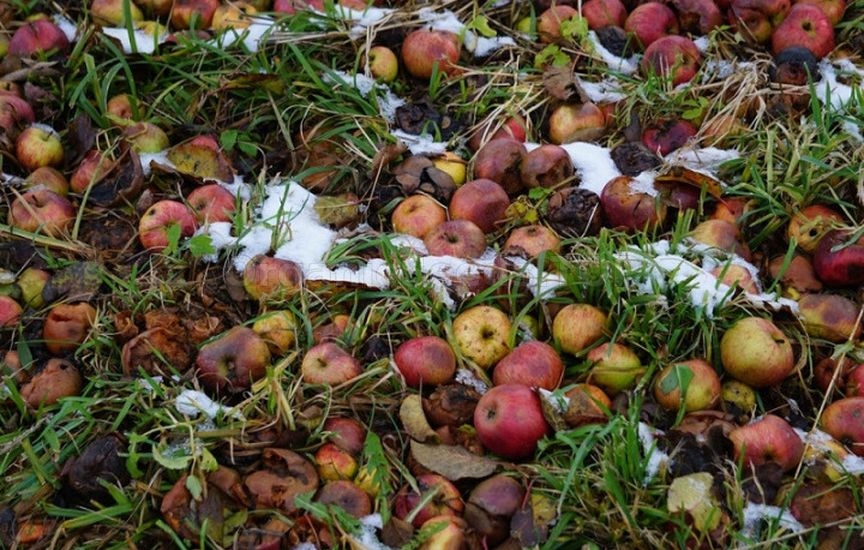 Even after frosts arrive, garden beds and flower borders may still contain stems, leaves and plant debris. These provide ideal winter shelter for pests and fungal diseases. Remove all plant residues, especially any showing signs of disease, and destroy them. Clean beds will warm up more quickly in spring, and pests will be less likely to survive the winter in favorable conditions. Despite the arrival of frosts, working in the garden during dry weather is a great way to enjoy fresh air and ensure a beautiful, healthy and productive garden next season. You may need:Vegetable seedshttps://organicseeds.top/shop/flower-seedshttps://organicseeds.top/shop/exclusive/organic-fertilizers |
|
|