Planning next year: what to plant after cucumbers, tomatoes and cabbage |
At the end of every garden season, when the harvest has been carefully packed into boxes and jars and the beds have been cleared of tops and weeds, summer residents sum up the results of their labors. And their thoughts are already rushing to next summer, and the main pressing question is: what and where to plant in spring?
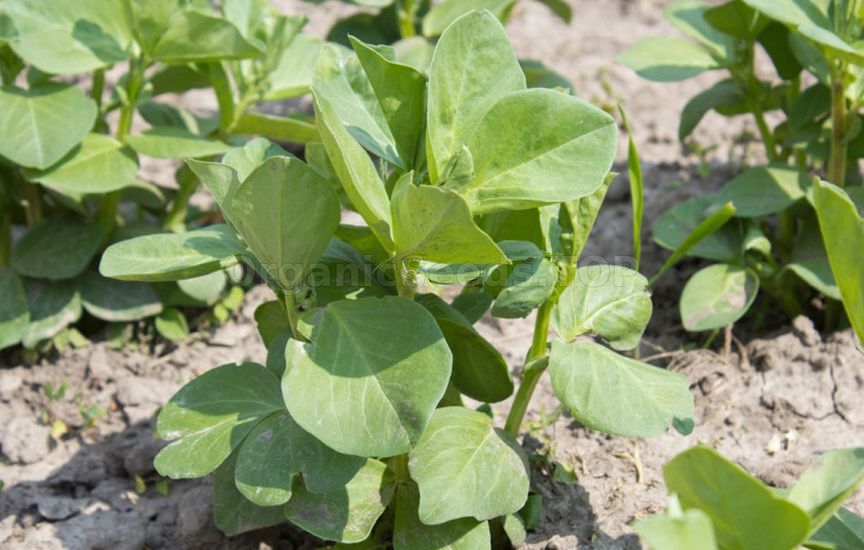
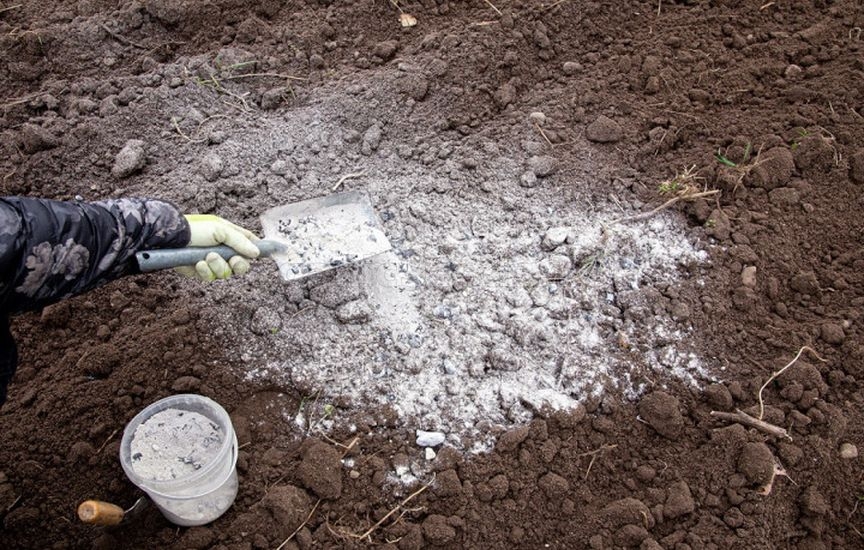
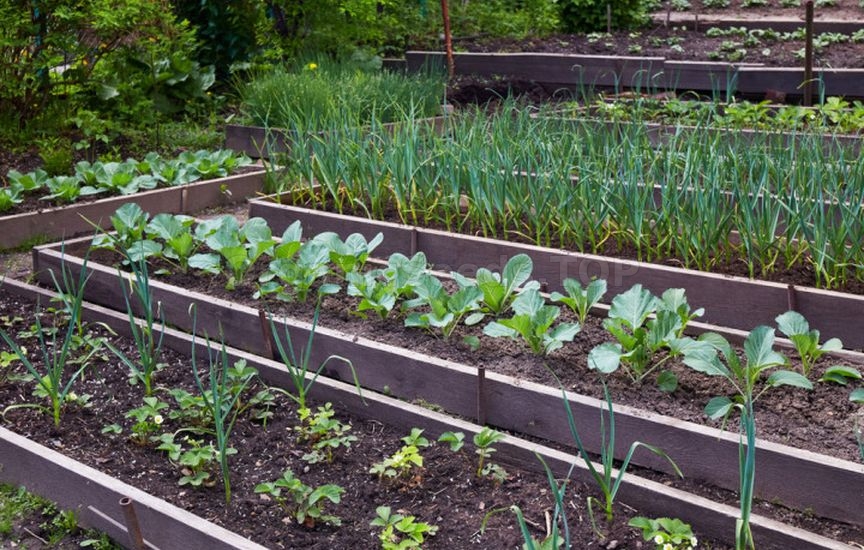
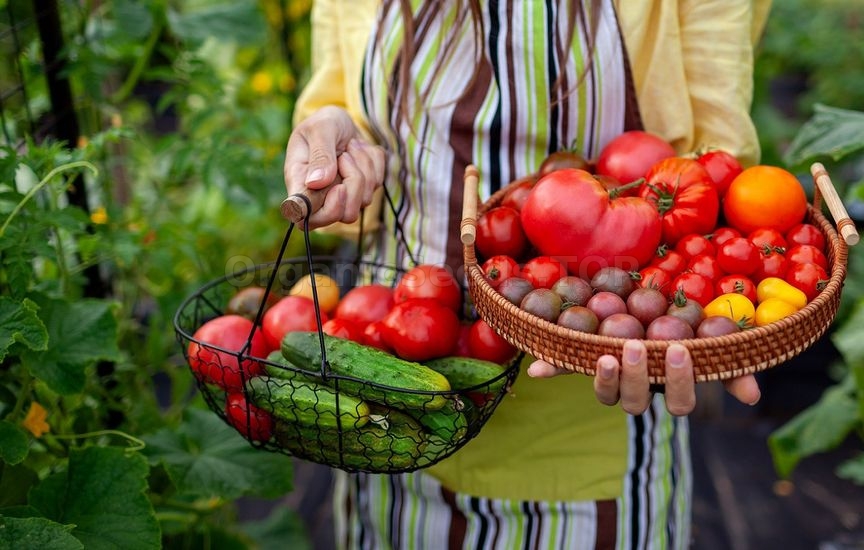 Spontaneous planting according to the principle "where it's free, we'll stick it there" is a sure path to the accumulation of pathogens in the beds, depletion of the soil and a drop in the yield of all vegetable crops. Proper planning of crop rotation is the basis of reasonable farming, allowing you to get an excellent result with minimal labor costs. Why garden beds need strict planning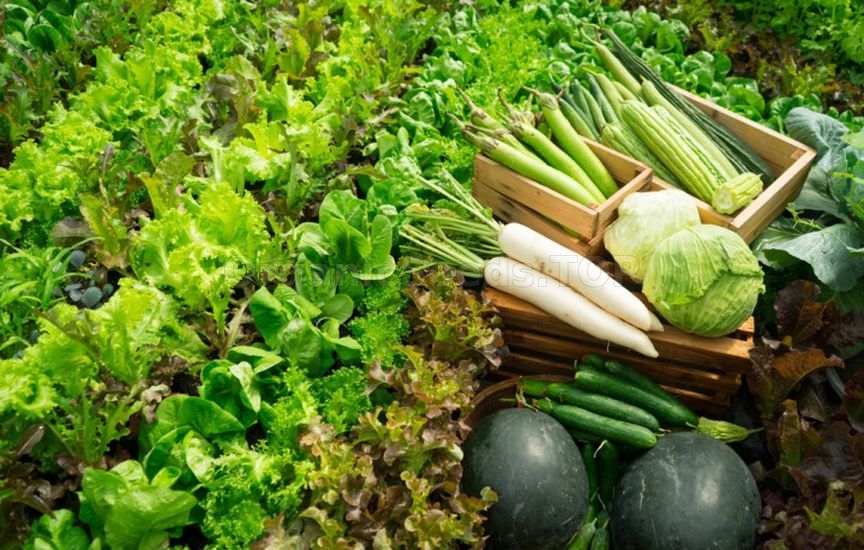 Before drawing a scheme of beds for next spring, it is important to understand the biological mechanisms underlying crop rotation. The soil on a dacha plot is a complex living ecosystem that quickly reacts to irrational use, losing the qualities necessary for optimal plant development. And vice versa — with proper exploitation it is capable of renewing and improving, increasing the yield of garden crops. When planning beds and the annual "rotation" of plants on them, it is important to keep in mind the main principles of crop rotation. Taking into account multi-level nutrition and the "appetites" of plants Any crop removes a certain set of macro- and microelements from the earth. Some plants greedily absorb nitrogen and potassium, while others need more phosphorus. In addition, the depth of their roots differs: plants with a superficial fibrous root system feed from the upper soil horizon (15-25 cm), whereas powerful taproots go deep to 1 m or more, obtaining nutrition from the lower layers. Alternating crops with different root depths prevents one-sided depletion of the earth. Breaking the chains of diseases and pests Plants of the same botanical family are susceptible to the same infections and attract common pests. If you plant nightshades or cruciferous crops after their "relatives", spores of late blight, fusarium, clubroot will accumulate in the soil, and pest larvae will calmly overwinter in anticipation of their usual treat. Whereas a break of at least 3-4 years leaves parasites without a food base, ensuring their destruction without your direct intervention. Combating depletion and self-poisoning of the soil In the process of vital activity, plant roots release specific biological toxins. Representatives of their own species and family are most sensitive to such root secretions. Proper crop rotation neutralizes this effect and triggers self-cleaning of the soil. What to plant in beds after cucumbers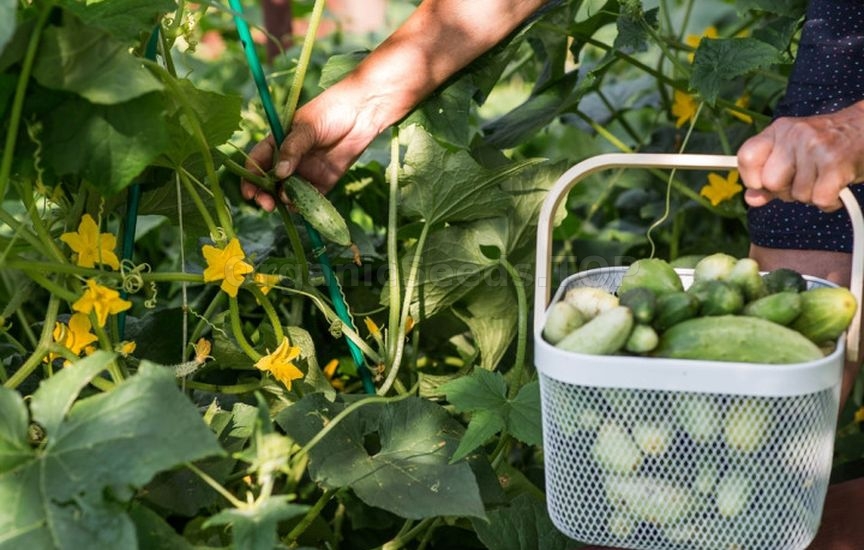 Cucumbers are traditionally grown on light, loose, highly fertile soils, generously enriched with humus, compost or manure. During the season, cucumber vines absorb a significant share of potassium and nitrogen from the upper layer, but the lower soil layers remain almost untouched. The main limitation in choosing crops for planting after cucumbers is a strict ban on planting any representatives of the cucurbits: zucchini, pattypans, pumpkins, watermelons and melons. They not only suffer from common fungal diseases (powdery mildew, downy mildew, root rots, anthracnose), but are also attacked by spider mites and melon aphids. 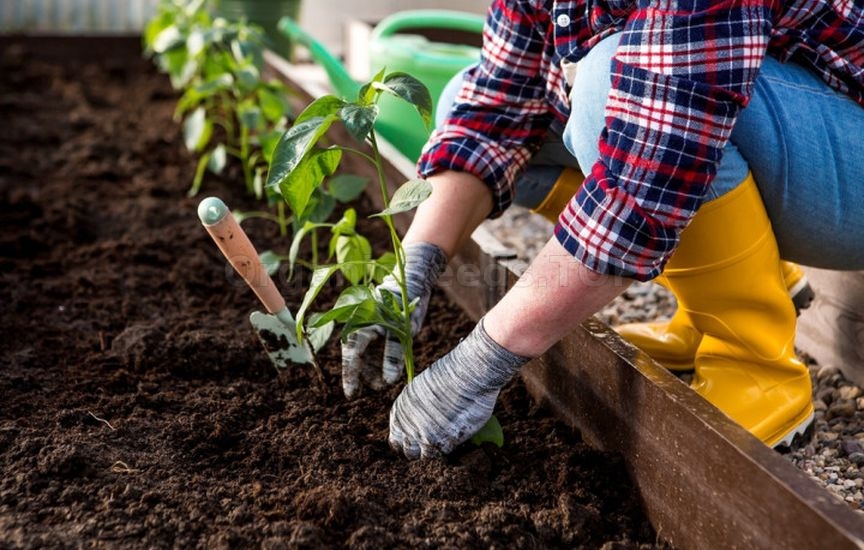 But the following crops will be excellent followers in the cucumber bed. Root vegetables (carrots, table beets, root parsley, parsnip) are one of the classic and most productive options. They penetrate deep into the soil with their taproots, obtaining nutrients from depths that cucumbers simply could not reach. In addition, fresh manure cannot be applied directly under carrots or beets (root vegetables will grow branched, crooked and unsuitable for storage), but a bed with organic matter that has rotted over the previous "cucumber" season is an ideal substrate. Nightshades (tomatoes, peppers and eggplants) have no common diseases with cucurbits, and therefore after cucumbers, on a bed well filled since autumn, these plants form abundant ovaries. The only condition is that when preparing the soil it is necessary to add a potassium-phosphorus complex, since cucumbers considerably deplete the surface reserves of potassium. Garlic and onions (before winter or in spring) feel great after cucumbers. These crops do not need a large amount of nitrogen, and the phytoncides contained in onions and garlic naturally heal the soil, suppressing residual fungal infections. Legumes (peas, beans, broad beans) are undemanding to nitrogen content, since thanks to nodule bacteria they fix it directly from atmospheric air. These plants structure the earth, enrich it with organic matter and perfectly restore fertility. What to plant after tomatoes in open ground and greenhouses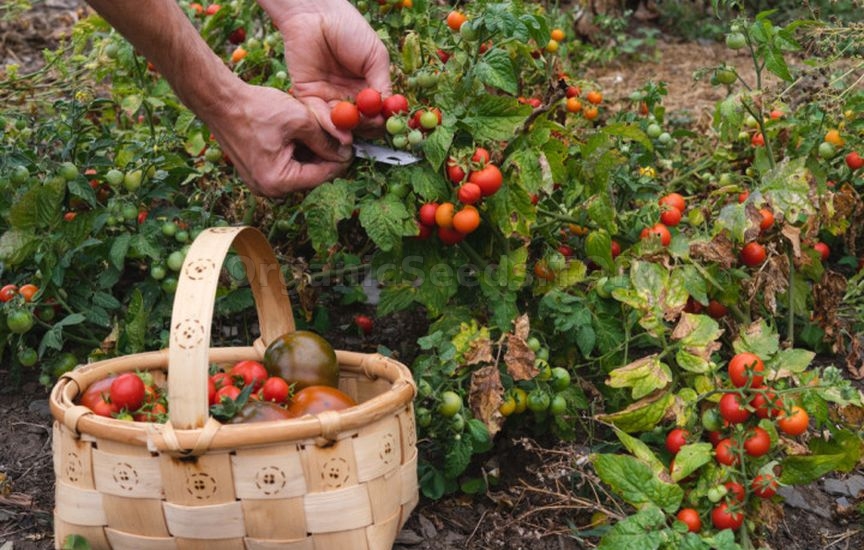 Tomatoes are rather "gluttonous" inhabitants of the garden, demanding on reserves of phosphorus, potassium and microelements. By the end of the season, the soil under them is often compacted and depleted. But the main challenge for the summer resident is the phytosanitary state of the bed. If tomatoes suffered from late blight, cladosporiosis, fusarium or verticillium wilt, fungal spores settle in the soil and can remain viable for years. Therefore, in no case should you plant in the next season after tomatoes their closest "relatives" in the family: potatoes, eggplants, sweet and hot peppers, physalis. If last season late blight touched at least a couple of tomato bushes, potatoes and eggplants in this place are doomed to death in the first half of summer. If the season ended with an outbreak of diseases, the bed must be immediately healed.
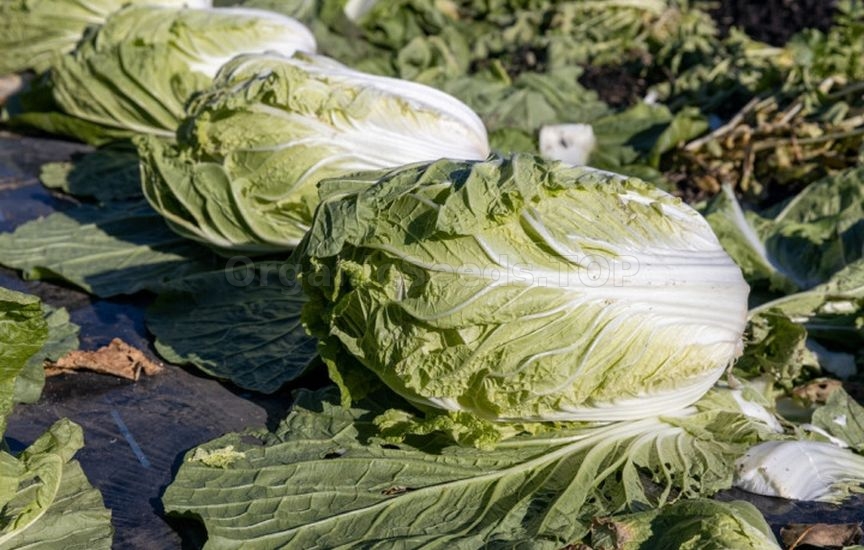
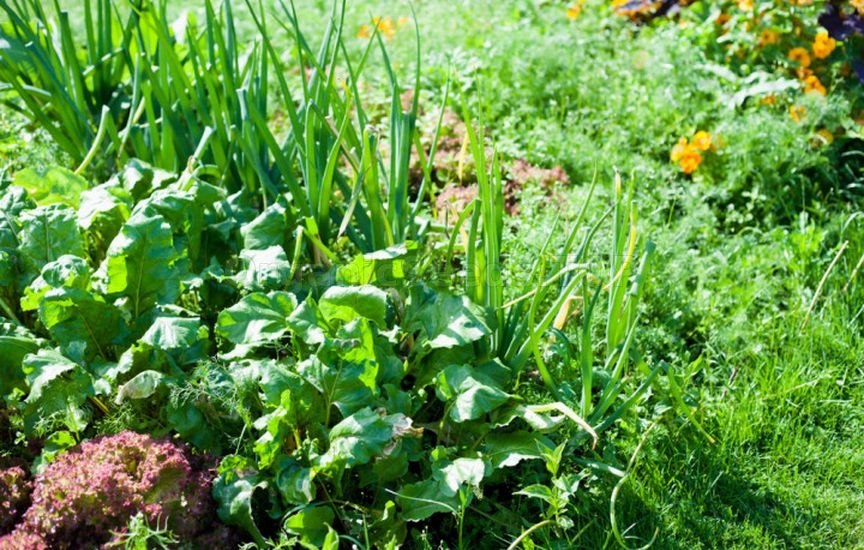 As successors to tomatoes, a fairly large list of vegetable and green crops can be considered. Cruciferous crops (all types of cabbage, radish, turnip, daikon, rutabaga) are completely unaffected by the harmful effects of pathogens pursuing nightshade crops. At the same time, cabbage readily absorbs organic matter applied deeply in autumn, and fast-growing radish or daikon manage to produce a harvest long before the soil in the bed is depleted. Root vegetables (carrots, beets, celery) are also appropriate in a tomato bed. Carrots perfectly restore the soil after growing nightshades. It has enough nutrition, since the root system obtains phosphorus and potassium from deep layers, and the soil loosened by tomato roots promotes the formation of even, smooth root vegetables. Onions, garlic and greens. Dill, lettuce, parsley, spinach and leaf mustard have a short growing season and minimal requirements for the composition of microelements. And winter garlic, planted in the former tomato bed in October, will help disinfect the soil with phytoncides. Cucurbits (cucumbers, zucchini, pattypans, pumpkins) are also often planted after any nightshades. If the tomatoes were absolutely healthy, cucumbers and zucchini will give an excellent harvest in this bed, especially with local application of humus into the holes in spring.
|
|
|