
What else can be sown and planted in June to harvest in autumn |
Many experienced gardeners are already harvesting their first berries, greens, and vegetables in June, but what should those do who, for one reason or another, have only just made it to their cherished garden beds?
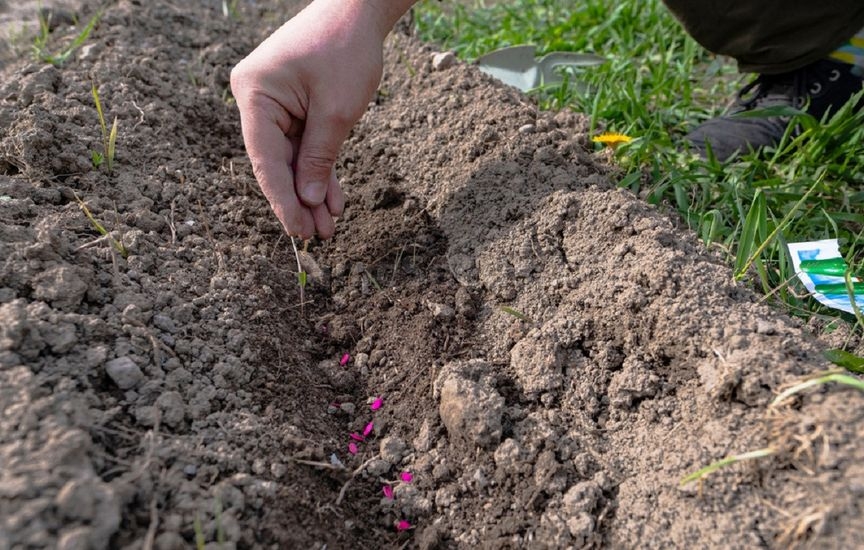 Don't despair, not all is lost yet! First of all, it is worth remembering fast-growing greens (green onions and garlic for greens, lettuce, spinach, sorrel, arugula, cilantro, mint, basil, parsley, etc.) and vegetables (radishes, peas), which can be harvested in just a few weeks – so they can be regularly sown in empty beds throughout the summer. But some longer-maturing crops are also not too late to plant and sow in the June garden. And we have prepared a list of suitable options for you. Cabbage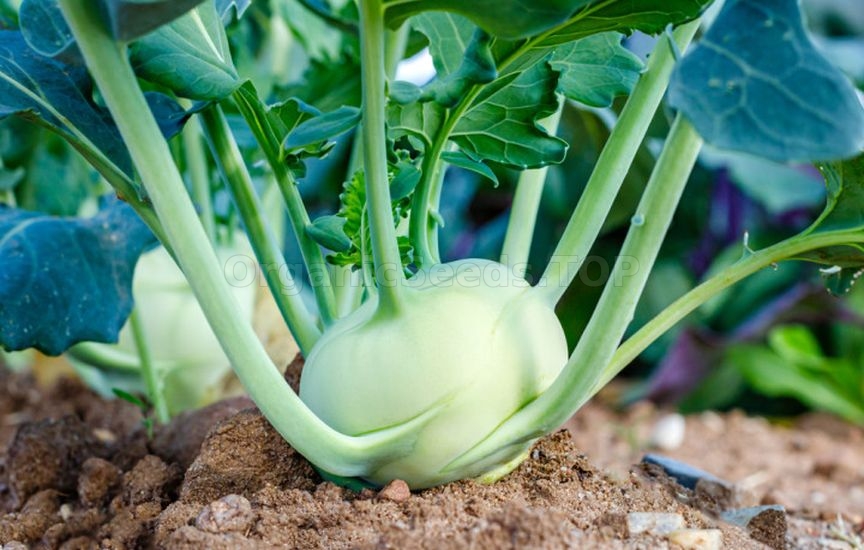 If you prepared cabbage seedlings in advance, June is the perfect time to transplant young plants about 35 days old into open ground. This applies to seedlings of regular heading cabbage, broccoli, kohlrabi, and cauliflower (other varieties are less tolerant of hot weather and may bolt or stop forming heads). In all cases, this mainly concerns early and ultra-early varieties. By the way, cauliflower and kohlrabi can also be sown directly into open ground from mid to late June. To protect delicate seedlings from heat and flea beetles, it is recommended to cover newly sown beds with light-colored spunbond at first. Afterward, do not forget regular watering. Beetroot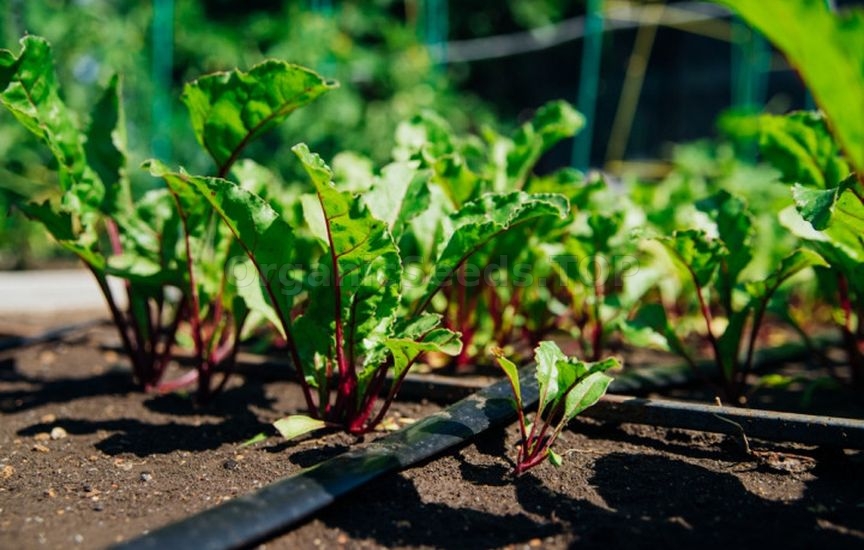 You can still manage to plant beetroot until mid-June, although this cold-tolerant root vegetable is usually sown in April. In fact, while beet seedlings can easily withstand short periods of cold down to –2°C, prolonged low temperatures are very likely to slow growth and cause bolting. In such cases, the roots will most likely become tough, small, and less flavorful. Before sowing, warm the seeds by soaking them in warm water for a day or keeping them in water heated to 50°C for about 15 minutes. Then dry them and sow them in prepared furrows at a distance of 8–10 cm from each other (4–5 cm for single-germ beet varieties). Be sure to water beetroot regularly throughout the summer if you want juicy and sweet roots. Root crops grown from seeds sown in early summer store exceptionally well, and fresh beetroot is always a welcome addition to vitamin-rich salads at the end of the season. Zucchini, courgettes, and pattypan squash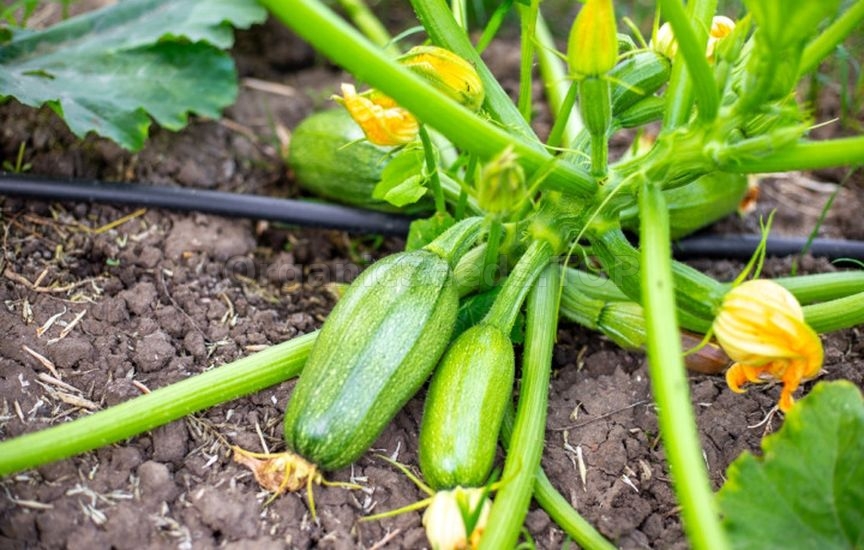 Zucchini is a heat-loving crop, and its seeds cannot tolerate soil temperatures below 14–17°C, making early summer the perfect time for planting, especially when using the direct sowing method and in regions that are not the warmest. The fruits of the earliest varieties and hybrids mature 35–45 days after germination. Therefore, when planted in early June under favorable conditions (temperatures above 18°C), the first harvest of zucchini, courgettes, and pattypan squash (which are simply different garden varieties of the same crop) can be collected not only in autumn but already by mid-July, regularly harvesting young fruits to encourage new ones to develop. Ultra-early bush varieties begin producing even sooner than trailing ones. Even in the height of summer, zucchini require minimal care. The only thing they dislike is acidic soil with a high groundwater level. Potatoes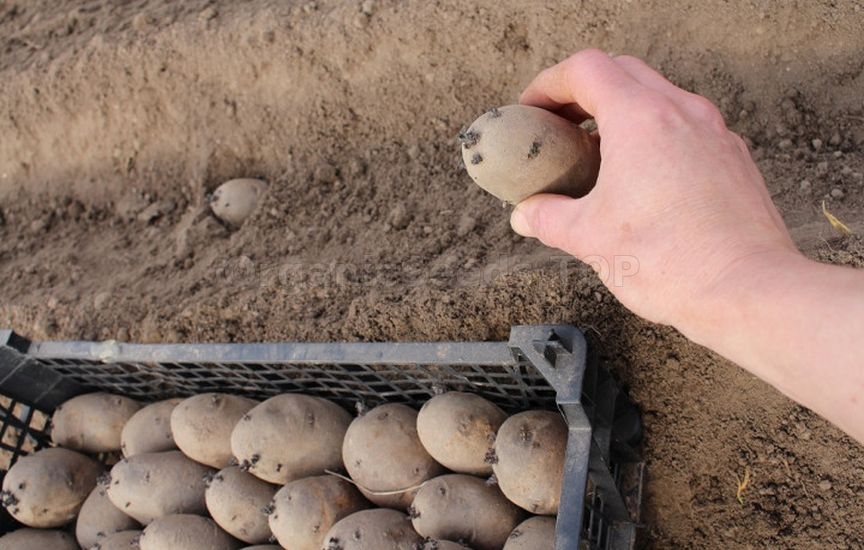 Although potatoes are traditionally planted during the May holidays, taking advantage of warm weather and long weekends, planting them at the beginning of summer is still not too late. Early-maturing varieties (60–80 days) and even medium-early varieties (80–100 days), planted up until mid-June, will have enough time to fully develop before cold weather arrives. However, yields may be slightly lower than with spring planting, and there is a higher risk of poor sprouting during very hot weather. But if the tubers are pre-sprouted and the garden is watered regularly (especially when talking about just a couple of beds rather than huge fields), these disadvantages are minimized. Moreover, such planting often avoids late spring frosts and usually coincides with slower weed growth and reduced activity of fungal diseases and insect pests. Just remember that in June potatoes need regular watering (at least 2–3 times a week during the first month) and good protection from intense sunlight, so plant them on ridges or mulch them after planting with a thick 20 cm layer of straw. Carrots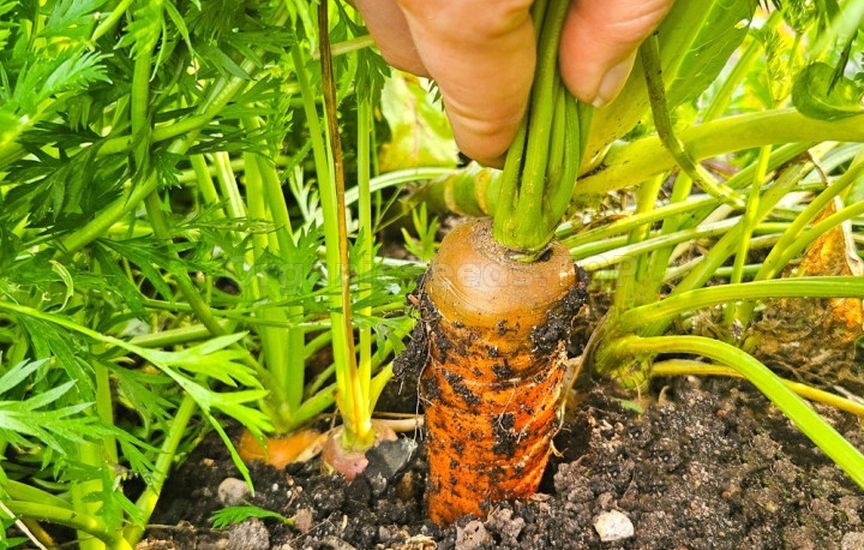 The situation with carrots is very similar. Although most gardeners prefer sowing them in early spring, as soon as the snow melts, or even before winter, many believe that carrots sown in June store much better. Moreover, this applies not only to the beginning of the month but also to the period around June 15–20. For this purpose, medium- and late-maturing carrot varieties are usually selected. After soaking, the seeds are sown directly into open ground in flat, well-lit areas with loose, well-drained soil of neutral acidity. Their care is no different from carrots planted in March or April, except that more frequent watering may be required during the hottest part of summer. Since carrots intended for storage are harvested in late September or even early October (1.5–2 weeks before stable frosts begin), the roots have enough time to accumulate maximum sweetness and juiciness in the cooler autumn weather while also avoiding major attacks from the carrot fly. Beans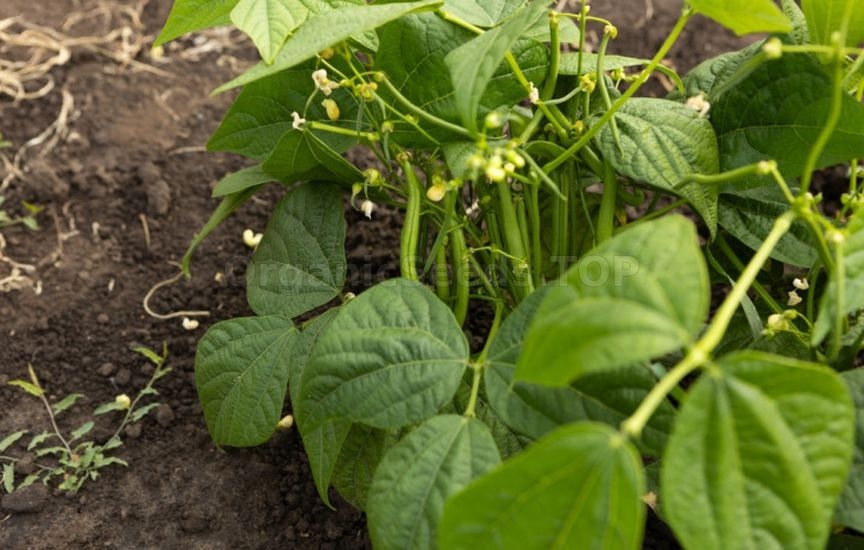 Compared with peas and broad beans, green beans are much more heat-loving, so they are generally not planted before mid-May or early June. If desired, they can also be planted in the middle or even at the end of June and even in early July to ensure a continuous harvest until autumn. Unlike other legumes, green beans are more demanding in terms of soil fertility and drainage, require full sunlight, and need regular watering and proper nutrition from the gardener. The pods are ready for harvesting when they reach 15–20 cm in length, approximately 7–10 weeks after planting, depending on the variety. They should always be picked while still young, tender, and juicy, before they become tough. This is usually done every 3–5 days, stimulating the formation of new pods. Cucumbers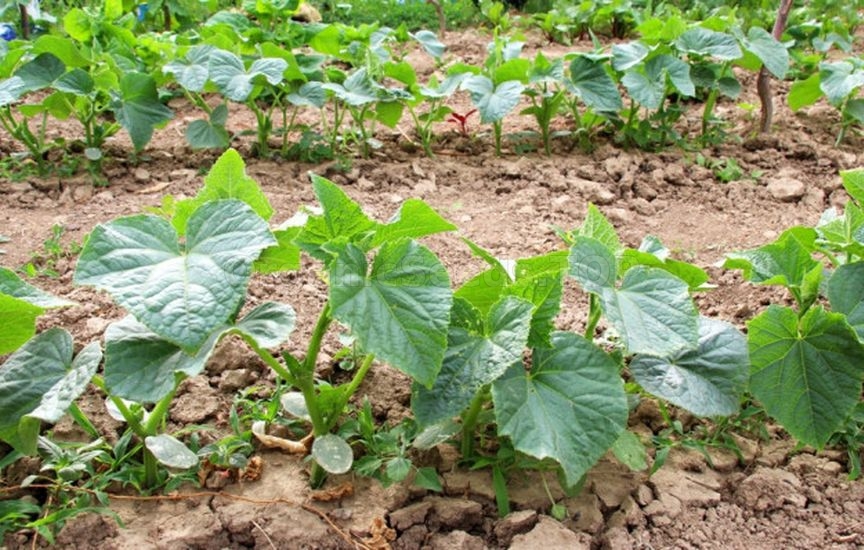 Heat-loving cucumbers of many varieties and hybrids are also perfectly suitable for sowing or planting as seedlings in June. Ultra-early and early varieties will produce a harvest by late July or early August, while late varieties will continue bearing fruit until autumn. However, during the second half of the month it is preferable to use seedlings or pre-germinated seeds to ensure a harvest before significant cooling. At this time, gardeners also usually choose parthenocarpic hybrids so they do not depend on bee activity, which can be unpredictable in the middle of summer. When caring for these plantings, it is important to remember that cucumbers are especially sensitive to drying soil during hot summer days. They should be watered regularly with warm, settled water. Varieties and hybrids intended to produce until autumn may encounter a second wave of late blight in August, so seed disinfection before sowing and preventive treatment against possible fungal diseases should never be neglected. Turnips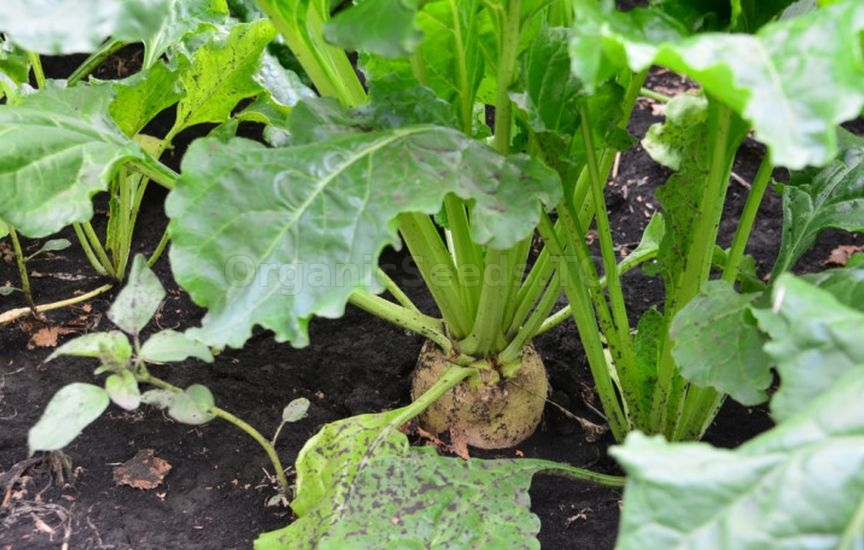 Such an easy-to-grow, tasty, and very healthy root vegetable as the turnip (which many people today have not only forgotten but may not even know about) is usually sown in open ground as soon as the soil dries out in early spring. However, June is equally suitable for sowing this crop – you simply need to provide light, fertile soil and water the developing roots generously during the summer so they grow large, juicy, and tender. Early varieties can be harvested after just 6–7 weeks, while the vitamin-rich, nutritious, and delicious young greens can be used for salads, soups, and pie fillings even earlier, about a month after sowing. In addition, like carrots and beetroot, turnips sown in June are excellent for winter consumption. What else is suitable for June sowing in the vegetable garden if you choose the right varieties? Radish, black radish, daikon, hot and sweet peppers, pumpkin, and even eggplants. During the first month of summer, you can also still plant young strawberry seedlings (garden strawberries) – although, of course, you will only get a harvest the following year. At the same time, a greenhouse or polytunnel can be used for rooting cuttings of cherries, plums, and berry bushes. As you can see, June is still very much a month for sowing and planting in the garden, so if you did not manage to take care of your favorite garden beds in early spring, you still have time to fill your vegetable garden. You may need:Cabbage seedsBeetroot seedsZucchini, courgettes, and pattypan squash seedsCarrots seedsCucumber seeds |
|
|