
Plant care in raised beds – a summer maintenance schedule |
In recent years, growing plants in raised beds has become increasingly popular. It is convenient, aesthetically pleasing, and allows for earlier harvests. However, it is important to remember that caring for garden crops in this case has some specific features.
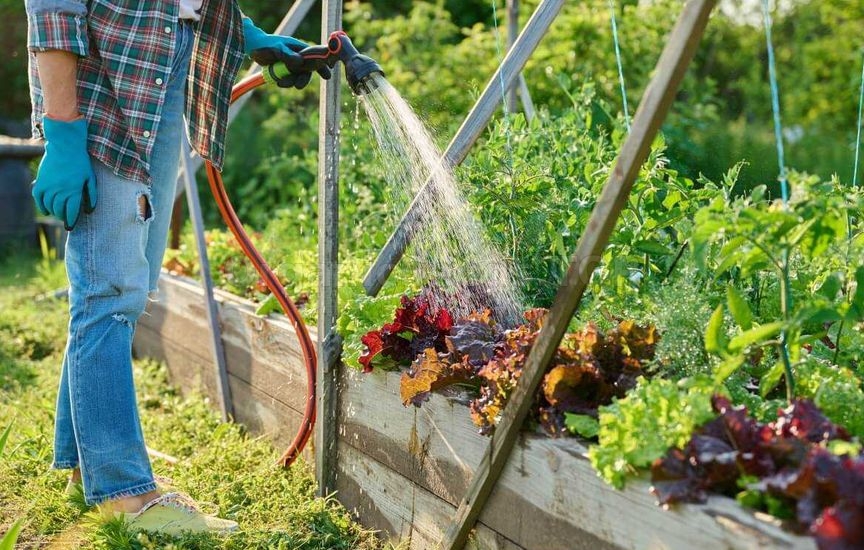 Most often, vegetables, greens, culinary herbs, garden strawberries, and flowers are grown in raised beds. The designs of such beds can vary greatly. But they all share one characteristic: the soil in a limited space warms up more quickly and, accordingly, dries out faster. In addition, nutrients are washed out of a raised bed more rapidly, which requires more frequent fertilization. An exception is a "warm" bed, i.e., one filled with undecomposed organic matter. In this case, the number of feedings can be reduced at first. However, the soil in such warm conditions will dry out even more actively. All of this should be taken into account when caring for plants throughout the summer. Plant care in raised beds in June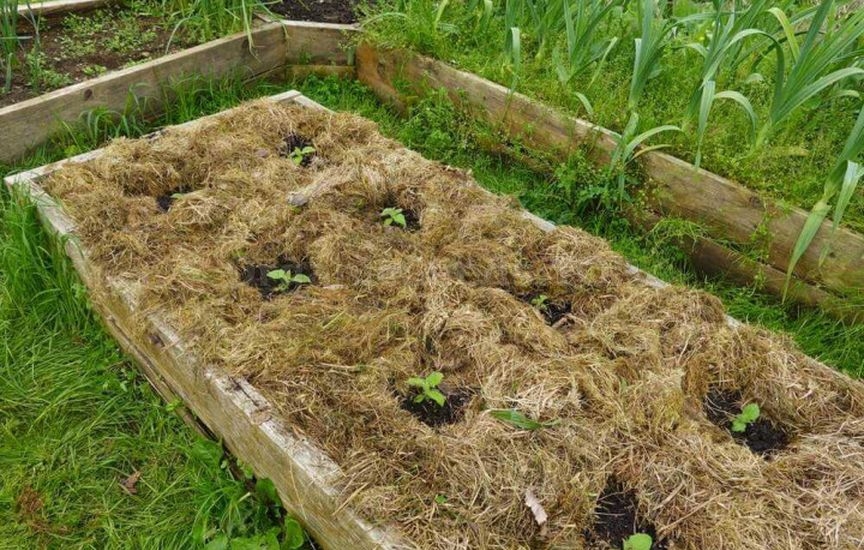 The beginning of summer is a responsible time for gardeners. Newly planted crops need help establishing roots, while plants that are already actively building green mass, flowering, and forming fruit need support. Particular attention should be paid to watering, moistening the soil at least once a week. If frequent watering is not possible during hot weather, it is worth installing a drip irrigation system in the beds. A prolonged drought in raised beds can completely destroy moisture-loving plants such as cabbage, lettuce, cucumbers, radishes, and others. To preserve moisture in the soil, it is recommended to mulch the plantings with straw, hay, well-rotted sawdust, flax shives, and other organic materials. This will also help suppress weed growth. 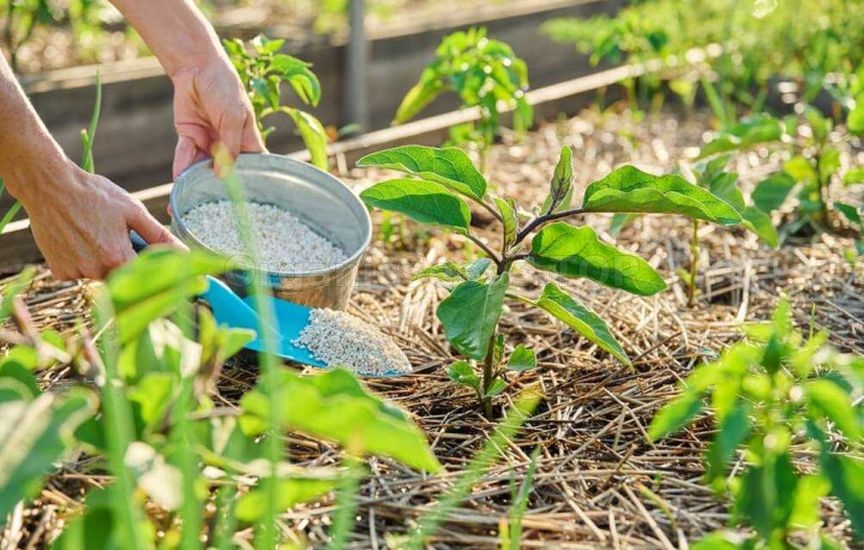 Fertilizers should be applied according to the type and age of the plants. Newly transplanted seedlings should not be fed immediately, but rather 10–14 days after planting. Actively growing plants are generally fertilized about every two weeks. The basis of plant nutrition in June is nitrogen, phosphorus, and potassium. However, it is also beneficial to apply other elements in chelated form, which are more easily absorbed by plants. In June, plants can be fed with organic fertilizers containing nitrogen: mullein infusion, poultry manure infusion, or weed infusion. However, it is important not to overdo it, so that vegetables, strawberries, and flowers do not produce excessive foliage at the expense of flowering and fruit set. 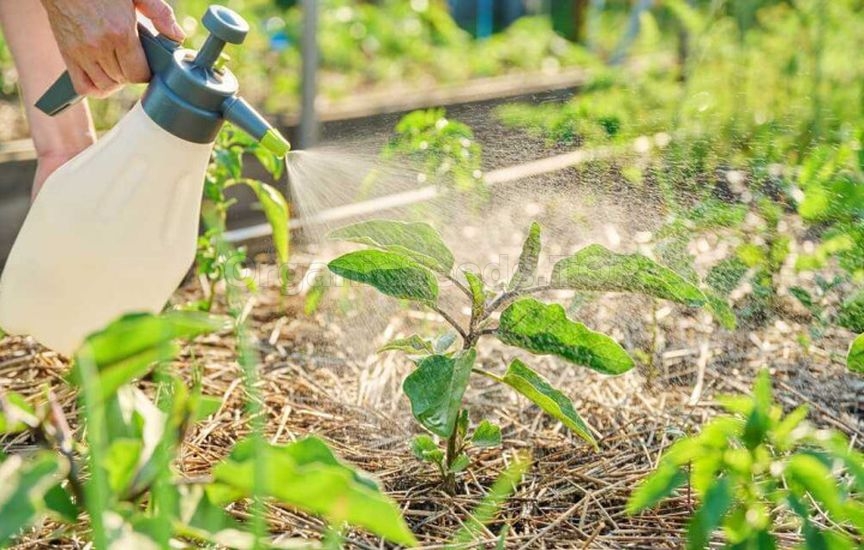 There is a popular belief that plants in raised beds suffer less from diseases and pests. This is partly true. For example, if a mesh is placed at the bottom of the bed, moles will not disturb the plants. Soil pests such as mole crickets and wireworms are also encountered less frequently. As for plant pathogens, crops can resist them better if the raised beds are constructed properly and receive quality care. Nevertheless, it is not worth becoming complacent. If other plants in open ground are affected by diseases, there is a risk that crops in raised beds will also suffer. Therefore, leaving them without inspections and preventive spraying would be a mistake. To protect against diseases, plants should be treated with biofungicides (Fitosporin-M and others), especially if the weather is cool and rainy. Against pests, universal bioinsecticides that are safe for future harvests are used, such as Fitoverm. Plant care in raised beds in July In mid-summer, gardeners actively harvest greens and early vegetables and finish picking strawberries. Vacant beds can immediately be sown with new fast-growing crops to obtain another harvest. It is only important not to forget about crop rotation and to alternate plants from different botanical families. Tomatoes, cucumbers, and peppers now need phosphorus and potassium so that the fruits grow large and flavorful. Universal fertilizers can be used. It is especially important to monitor watering and avoid prolonged periods of drought, which negatively affect plant health and can lead to fruit cracking. 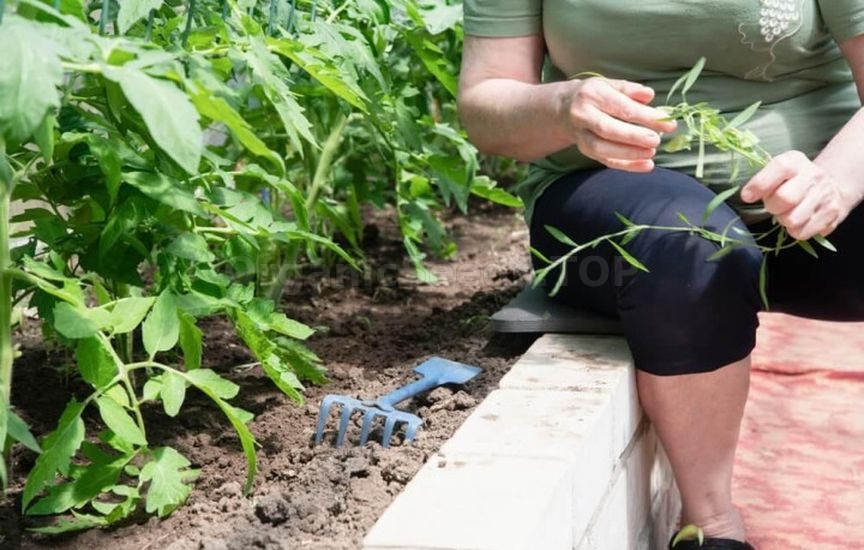 If the soil in raised beds is not mulched, regular weeding is necessary. After watering or rain, shallow loosening should also be carried out to prevent the formation of a dense crust and ensure that roots receive enough air. Young plants should be shaded with netting during extreme heat to prevent sunburn. Do not forget about plant training and removing suckers. Lower yellowing leaves that no longer provide any benefit should also be cut off. In July, the risk of late blight infection increases. Spraying with biofungicides will help protect plants. Watering and fertilizing should be carried out only at the root zone. Plant care in raised beds in August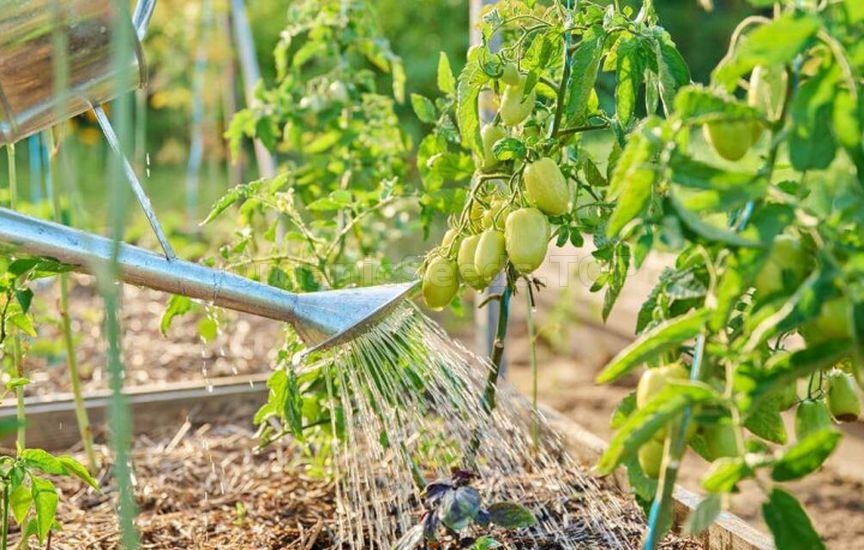 In late July and early August, watering of tomatoes and peppers should be gradually reduced so that the fruits do not crack or become watery. Plants can continue to be fed with potassium and phosphorus, which help improve flavor and storage quality. It is also useful to renew the mulch layer. Ripe fruits should be harvested promptly to stimulate the formation of new ones. In the second half of August, nighttime air temperatures can drop significantly, so it is advisable to monitor weather forecasts and prepare covering material, such as spunbond, in advance. On empty beds, greens can still be grown until cold weather arrives. Another option is to sow green manure crops so that the soil does not remain bare and become overgrown with weeds. By the way, raised beds do not have to be purchased. They can be made independently from almost any available materials: boards, concrete blocks, slate, and so on. However, special attention should be paid to the filling materials to avoid harming the plants. You may need:Vegetables seedsFlower seedsOrganic fertilizers |
|
|