
What to do if seedlings stop growing |
High‑quality seedlings are strong and stocky, with thick stems and well‑developed root systems. Growing such plants at home can be challenging. Often gardeners notice that seedlings stop growing or begin to get sick, and naturally ask about the reasons for such failure.
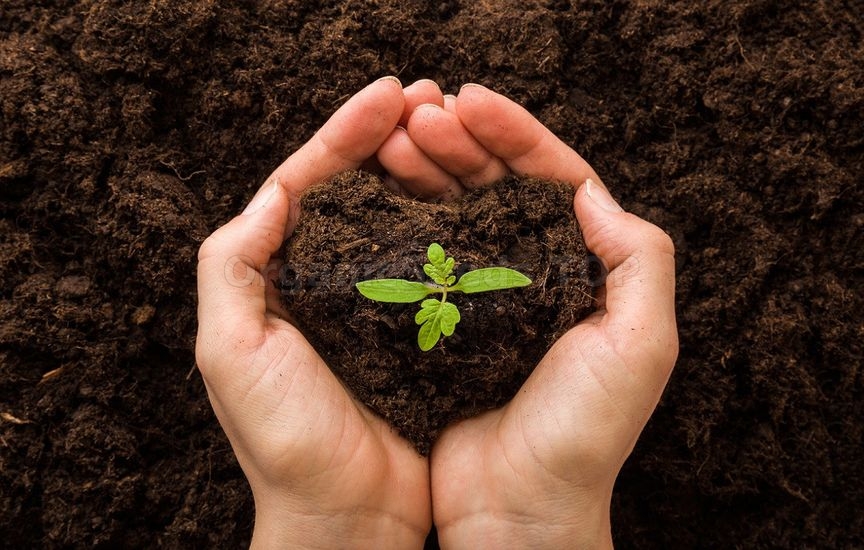 Growth slowdown is usually caused by objective factors, and at different stages of seedling development different reasons come to the fore. Most often “stopping” of seedlings is associated with stress due to violation of growing conditions and care rules or mistakes during transplanting. Let’s figure out why seedlings may stop developing and how to fix the situation. Seedlings sprout poorly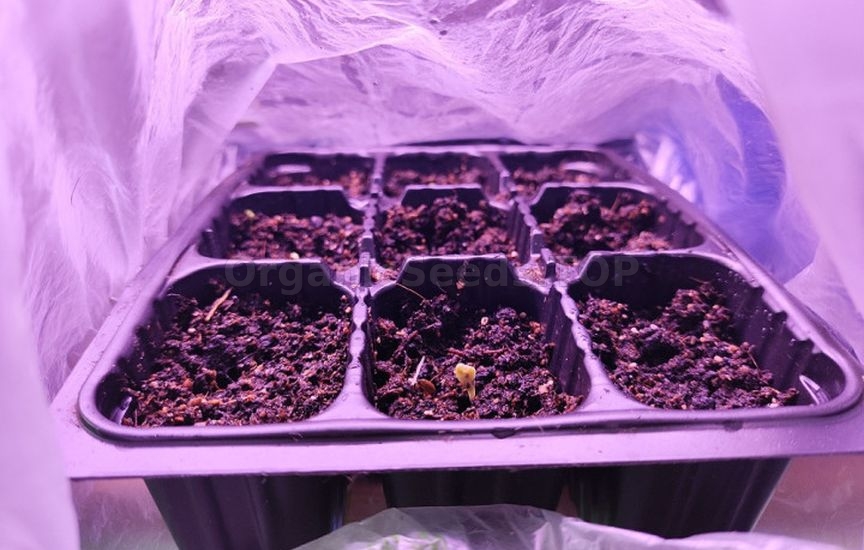 It happens that seeds take a long time to germinate: sprouts either do not appear from the soil at all, or their stems, barely emerging above the surface in the form of small “loops,” straighten extremely slowly. And some sprouts after straightening cannot free themselves from the seed coat – this is also an alarming sign, indicating trouble or too shallow planting of seeds. Such difficulties can arise for various reasons – from low‑quality seed material to poor soil preparation and untimely ventilation of crops. Vigilance and control of compliance with agricultural practices are needed at every stage of work, starting with the choice of seeds – whether buying them in a store or collecting and storing them yourself. Because if you use low‑quality seeds, even the strictest adherence to agricultural practices will not help to get healthy seedlings. 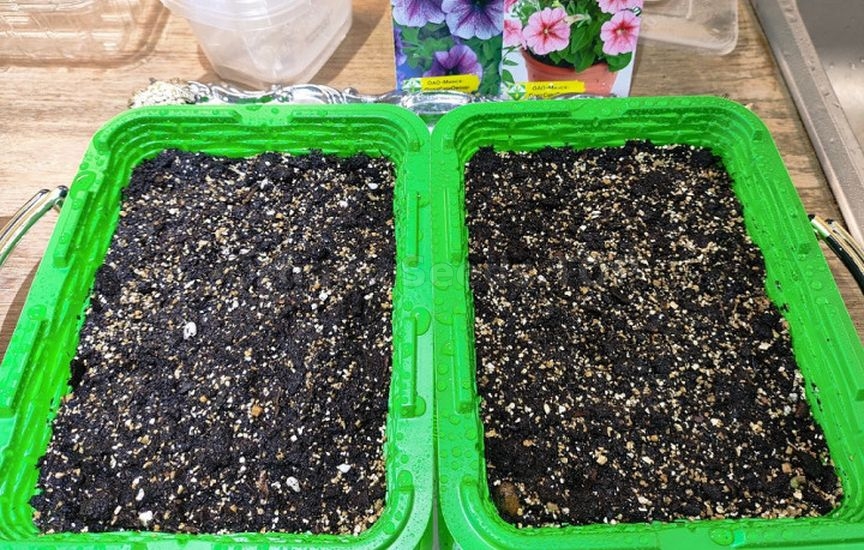 In addition, at the initial stages of preparation for growing seedlings, it is easy to make other mistakes. For example, neglecting disinfection of planting containers and tools, overlooking the need to treat seeds, or, conversely, treating them with a solution of too high concentration. Equally important are mistakes with soil: its wrong choice or lack of proper disinfection can seriously affect the result. Finally, another common mistake is excessively deep planting of small seeds during sowing, which prevents their normal germination. Seedlings froze at the cotyledon leaf stage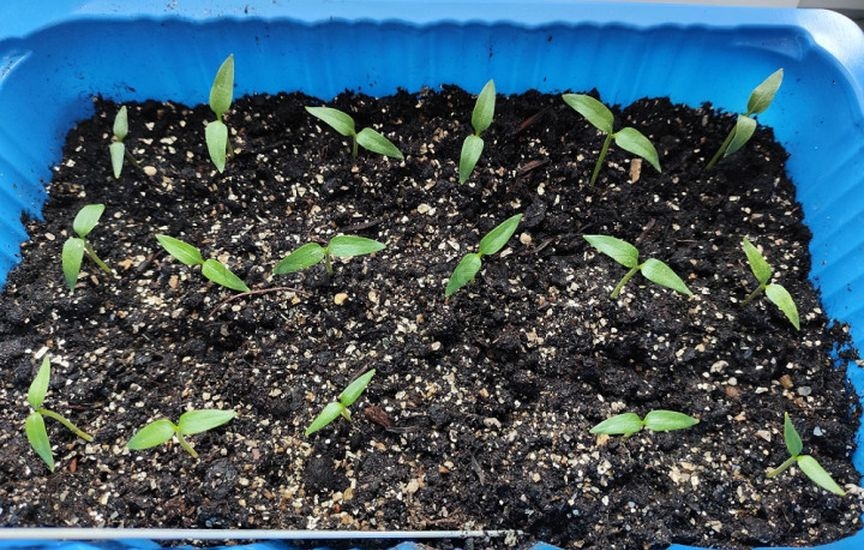 Seedlings may begin to get sick from the first days due to lack of oxygen. This happens when the gardener carefully covers containers with crops with film (sometimes even in several layers) to provide comfortable temperature and humidity for seed germination and seedling development. But the irony is that even the most correct humidity and temperature will not benefit if there is no fresh air. This situation can be prevented by daily opening the lid or removing the film from containers, giving the crops a chance to “breathe” for at least 15 minutes. 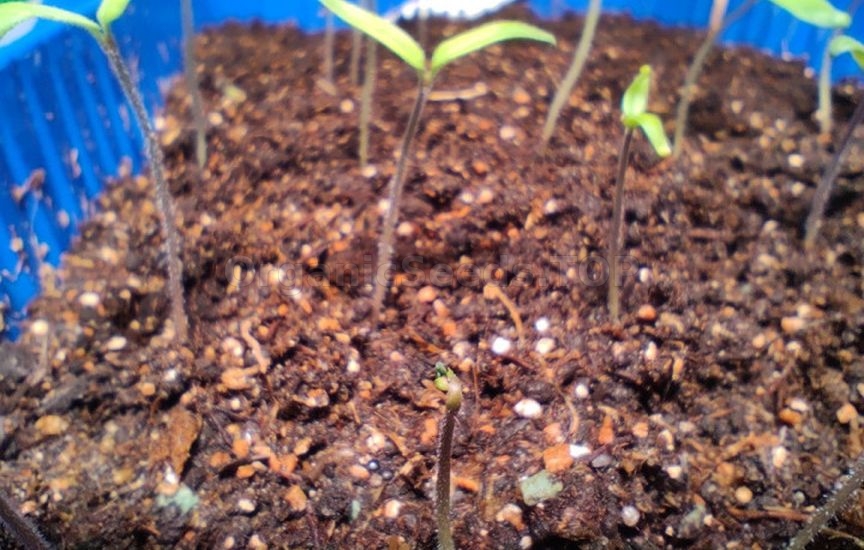 Another serious threat to seedlings lies in unsuitable growing conditions: excessive humidity, too high temperature, or lack of light. Such factors often provoke fungal diseases. Characteristic signs will tell you that plants are affected. For example, if the stem in the root zone has thinned and then turned black – be ready to fight blackleg. If seedlings stop growing and gradually wilt, this often indicates root rot. When such symptoms are detected, action must be taken quickly:
A big difference between day and night temperatures causes stress in seedlings and often leads to root and basal rots. If containers with crops are on the windowsill, make sure that the soil does not overheat in bright sun during the day and does not overcool at night from cold air flows coming from the window. 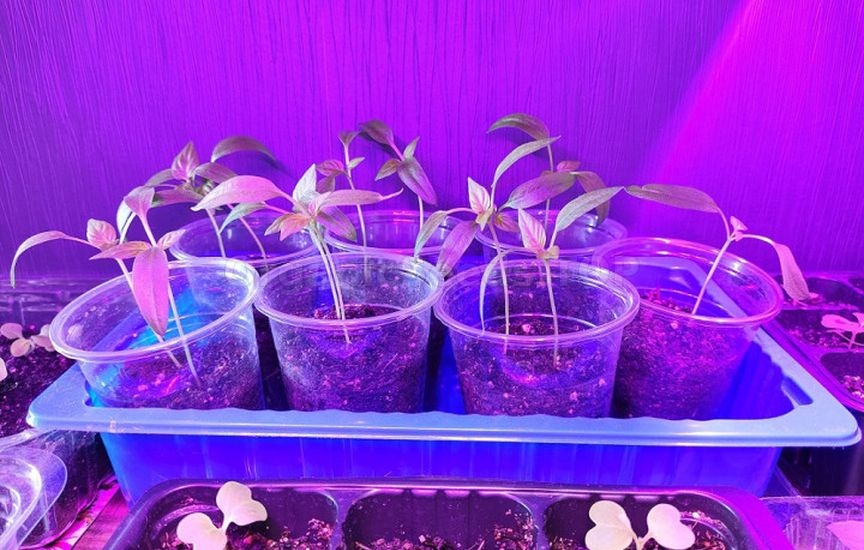 In addition to optimal humidity and temperature, lighting plays a huge role in the harmonious development of seedlings. With insufficient light, seedlings will stretch strongly in search of its source, becoming thin and falling, and due to lack of energy they will not even be able to unfold true leaves. The “recipe” for combating this is simple: observe the recommended sowing dates for each crop, and for early planting at the end of winter or beginning of spring – provide additional lighting with phytolamps, ensuring a daylight length of 11–15 hours (depending on crop requirements). Seedlings stopped growing after pickingAnother group of reasons why seedlings may stop growing or even die is associated with picking and the post‑picking period. And the first possible factor is incorrectly chosen time for the procedure. Violation of picking terms 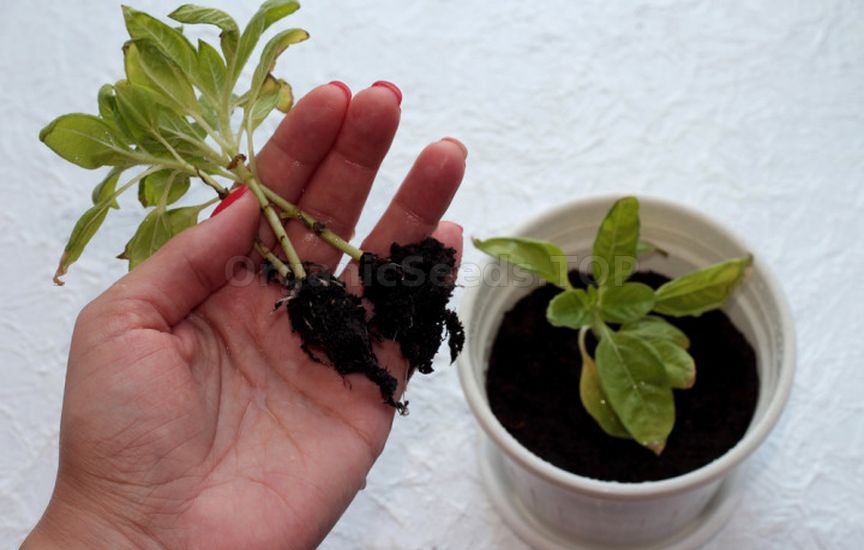 It is best to pick seedlings when they have formed 2–3 true leaves. Too early transplanting threatens plant death – they may simply not cope with the procedure. If picking is done late, when seedlings have many leaves and roots are intertwined, then after transplanting plants will recover for a long time and get sick, since damaged absorbing roots will not be able to provide leaves with full nutrition and moisture. To minimize transplant stress and help seedlings adapt to new conditions, provide a gentle regime in the first days: for 2–3 days protect plants from direct sunlight and temporarily stop watering. When seedlings take root (about 7–10 days), you can slightly “stimulate” their further growth. To do this, spray plants with a solution of any growth stimulator (Heteroauxin, Epin Extra) – such treatment will promote active development of roots and leaf mass. Incorrect watering regime 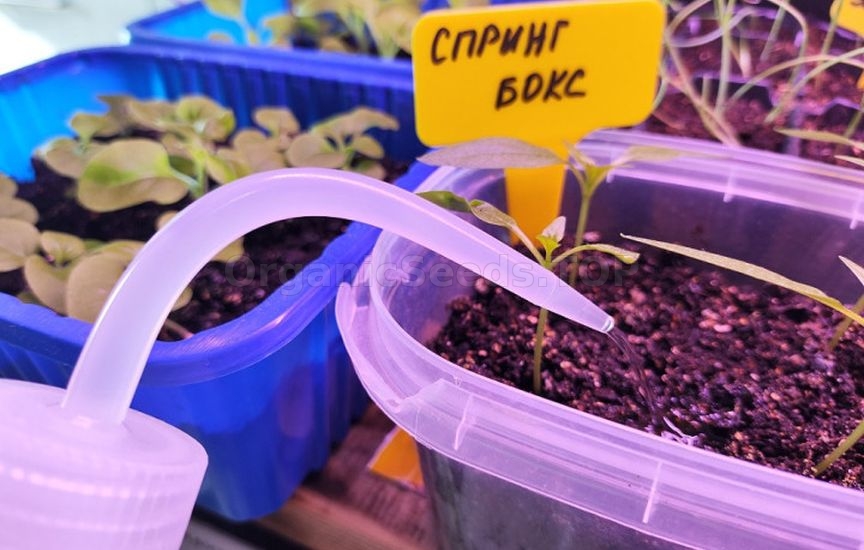 It is best to pick seedlings when they have formed 2–3 true leaves. Too early transplanting threatens plant death – they may simply not cope with the procedure. If picking is done late, when seedlings have many leaves and roots are intertwined, then after transplanting plants will recover for a long time and get sick, since damaged absorbing roots will not be able to provide leaves with full nutrition and moisture. To minimize transplant stress and help seedlings adapt to new conditions, provide a gentle regime in the first days: for 2–3 days protect plants from direct sunlight and temporarily stop watering. When seedlings take root (about 7–10 days), you can slightly “stimulate” their further growth. To do this, spray plants with a solution of any growth stimulator (Heteroauxin, Epin Extra) – such treatment will promote active development of roots and leaf mass. Incorrect watering regime It is recommended to water seedlings with room temperature water to the full depth of the root layer, carrying out each subsequent watering strictly after the top layer of soil in the container has dried. The characteristics of the water itself also matter, since seedlings are very sensitive to its quality. The optimal choice is soft settled water at 22–25°C. The watering regime should be adjusted depending on the weather: on sunny and hot days water the soil more often, and in cloudy weather reduce the volume and frequency of watering to a minimum. If plants are grown in separate pots, after each watering it is recommended to carefully loosen the top layer of soil. This will prevent the formation of a dense crust on the surface and help maintain the necessary air permeability of the soil, which will ultimately have a beneficial effect on the development of the root system and the overall condition of the seedlings. Lack of nutrition 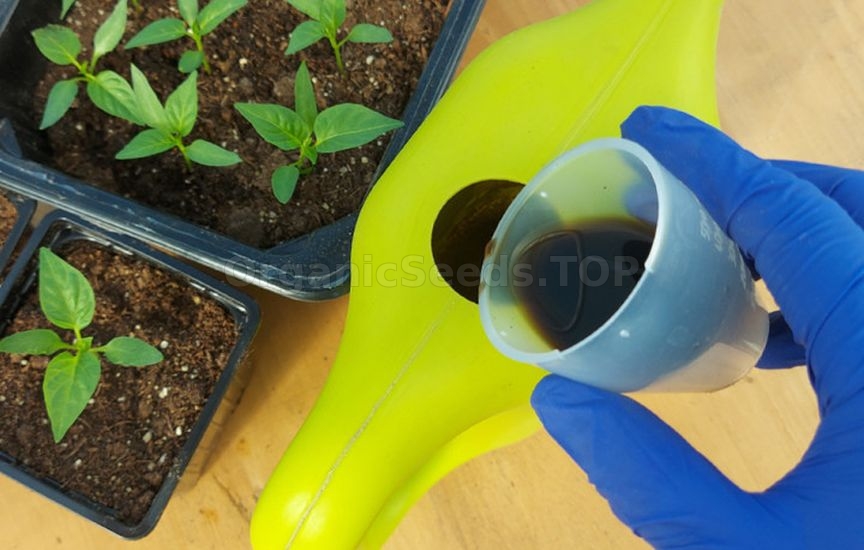 In the initial phase of development, sprouts use nutrient reserves contained in the seed itself, and as they grow they gradually switch to consuming substances from the soil. However, in the limited capacity where seedlings are usually grown, the soil quickly becomes depleted, and plants have to survive in a mode of total deficiency of macro‑, microelements and vitamins. At the same time, novice gardeners sometimes make a common mistake: they apply fertilizers too early, still at the cotyledon stage. This negatively affects root system development: it forms weakly and becomes “lazy,” since roots have no need to actively grow in search of nutrition. The optimal time to start feeding is the stage of forming true leaves. At this time it is advisable to use complex water‑soluble fertilizers. The liquid form of such compositions allows nutrients to be evenly distributed in the soil and ensures their maximum absorption by plants. 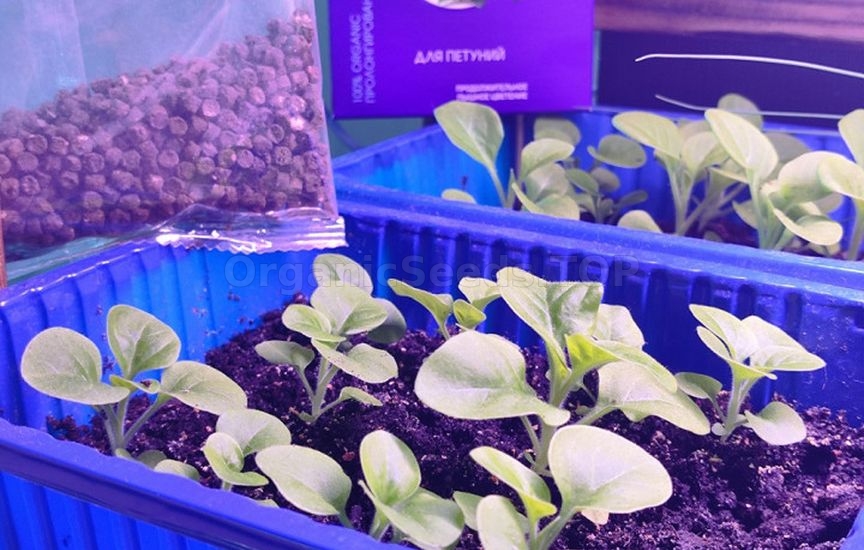 However, nutrients from dry granules, when used correctly, are absorbed no worse. Moreover, prolonged‑action granules are convenient to use during picking, adding individually to each pot. Deficiency of nutrition or problems with its absorption are also indicated by characteristic signs such as interveinal chlorosis, yellowing of leaves or their falling. Such symptoms usually arise due to lack of nutrition caused by increased soil acidity (it makes it difficult for plants to access necessary substances). In this case, wood ash or dolomite flour should be added to the soil to reduce acidity. Growing seedlings yourself is not so much difficult as it is painstaking, requiring attention, accuracy and discipline from the gardener. The main thing here is to promptly correct mistakes and learn from them to avoid problems in the future. You may need:Vegetables seedsFlower seedsOrganic fertilizers |
|
|