
When to start feeding seedlings – timing for vegetables and flowers |
The topic of feeding seedlings is quite extensive. And although most of it is occupied by the questions: "what to feed the seedlings and in what quantity," it is no less important to determine the timing. After all, the effectiveness and health of the plants will depend on when the feeding begins.
One of the most common mistakes of novice gardeners is applying fertilizers immediately after the emergence of seedlings. After all, it is so tempting to quickly prepare a solution from a beautiful jar and feed the green babies! 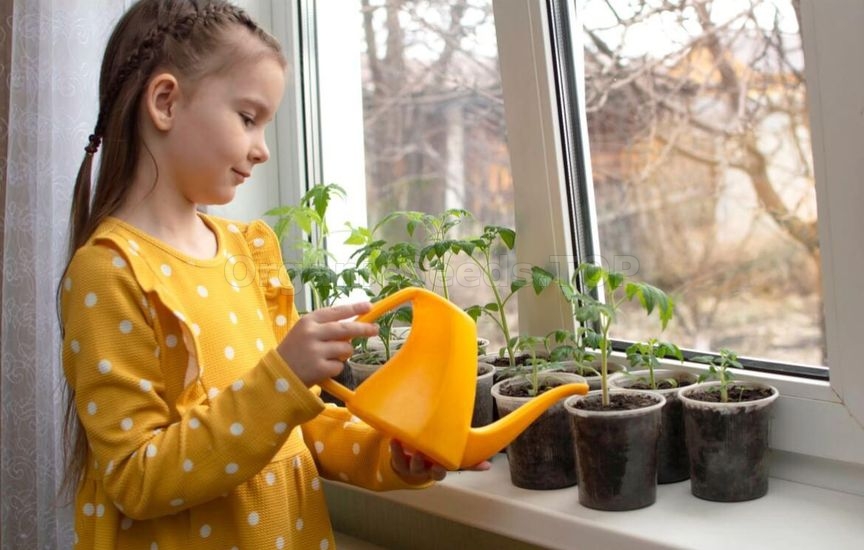 This misconception is quite dangerous, because at this stage plants need nothing but water. Of course, it is important what soil the seeds were sown in. But if it is not bare sand, then there is no need to apply fertilizers so quickly. Why? The fact is that in the first weeks seedlings have enough reserves from the seed. In addition, their roots are still so small and undeveloped that they will not be able to absorb almost anything from the soil. Spraying with fertilizers is also unnecessary at this stage. 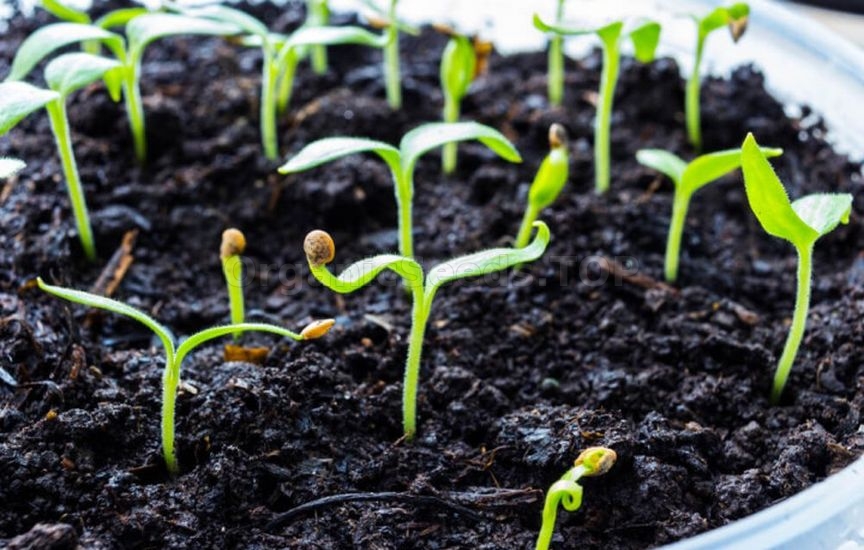 If pelleted seeds covered with a nutrient shell were sown, then there is no need to rush with the first feeding. The most important thing is not to interfere with the plants at the initial stage of development in building roots. When seedlings receive only water, young plants are tuned to search for nutrition, their root system actively grows and branches to extract substances from the substrate. And if fertilizers are applied at this moment, then the roots will have no need for active growth, because everything is literally "under their nose." Therefore, seedlings with such "lazy" roots also develop their above-ground part worse. And it is good if the gardener stops applying fertilizers. But he may think that the seedlings are withering because they lack nutrition, and continue to intensively feed them… 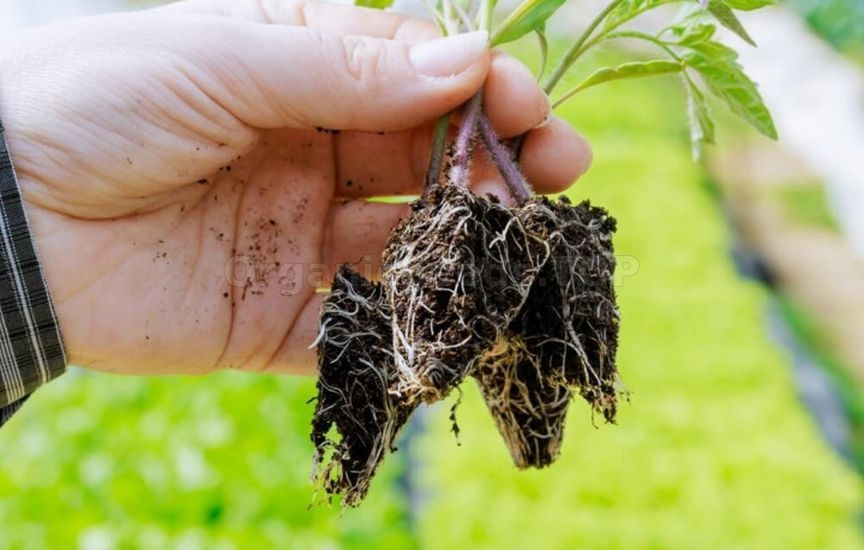 But you should not keep plants on a starvation diet for too long either. After all, according to the experience of gardeners, seedlings cannot survive completely without fertilizers, because there is a lot of time before planting in the ground, the sun shines brighter every day in spring, launching active metabolism. Plants strive to grow, but with a lack of nutrition they will only stretch and fade. Such weak seedlings also become very vulnerable to diseases and pests. When to start feeding seedlingsFertilizers can be applied only after the appearance of 1-2 true leaves (they differ from cotyledon leaves in shape and size). And if the seedlings have been transplanted and planted in fresh nutrient soil, then the first feeding is carried out even later – after 10-14 days. And there is no need to fear such long terms. If the plants are not stretching, not turning yellow, their leaves are without spots, then development is going as it should.
Another point: if the first feeding was applied before transplanting (and there is a need for it), then it is better to wait a few days and only then transplant the seedlings. This will protect them from stress. Nutrition is necessary for plants only after strengthening the root system. When to start feeding tomato seedlings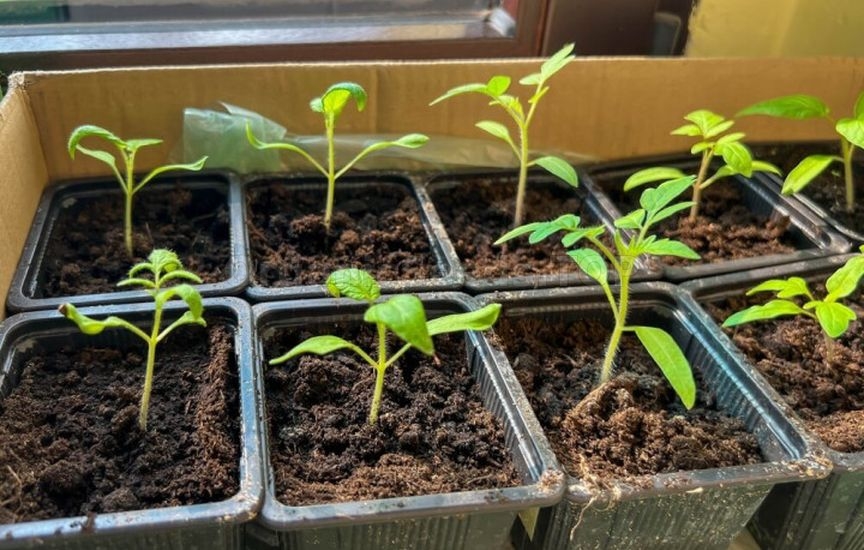 Seedlings of early-ripening tomatoes are usually fed three times before planting in the ground. Late-ripening ones a little more – up to 4-5 times. The first feeding is carried out at the stage of 2-4 true leaves. If transplanting is planned, then the seedlings are first planted in separate containers with nutrient soil mixture, and fertilizers are applied after 10-14 days. When to start feeding pepper seedlings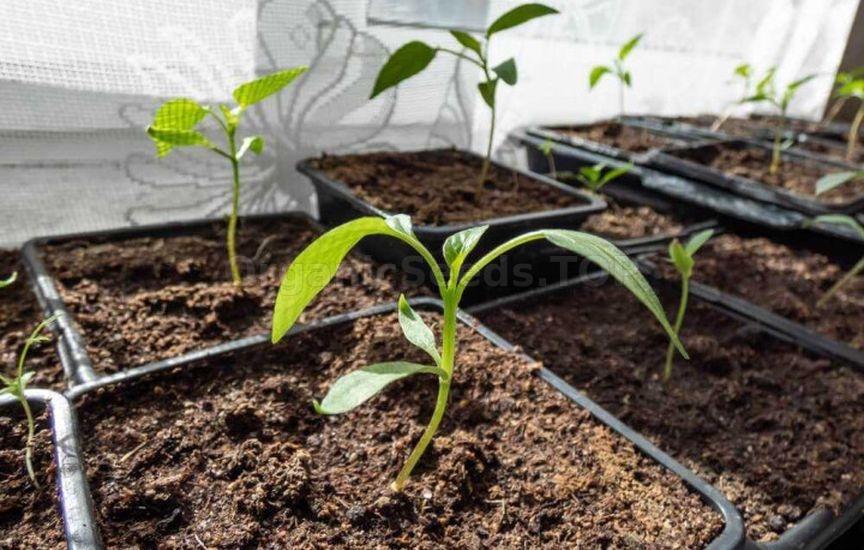 The first feeding of pepper is most often carried out after the appearance of two true leaves. If the seedlings are grown with transplanting or transfer, then the plants can be fed 1-2 weeks after transplanting. When to start feeding eggplant seedlings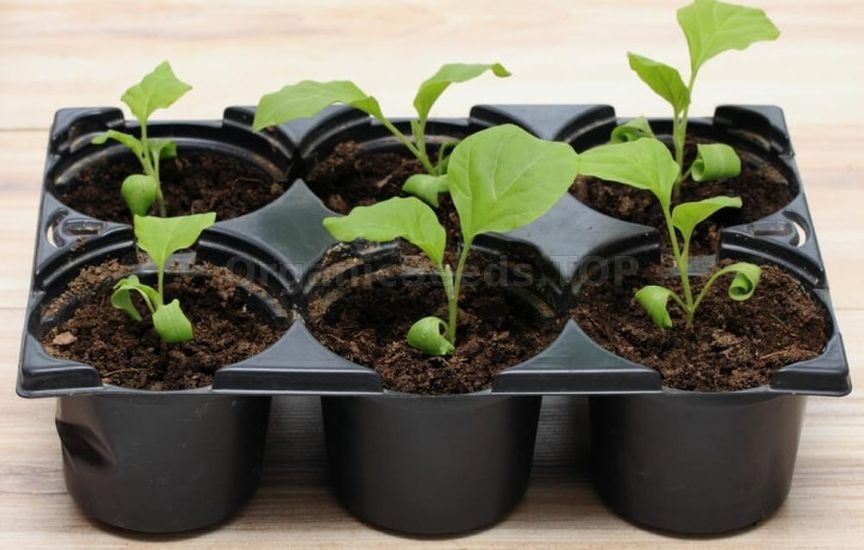 Eggplant seedlings are fed after the appearance of the first true leaf or 10-14 days after transplanting, which is quite painful for this crop, so the best option is to sow seeds immediately in separate containers. After watering and feeding, it is useful to add soil to the containers to stimulate the growth of lateral roots. When to start feeding cucumber seedlings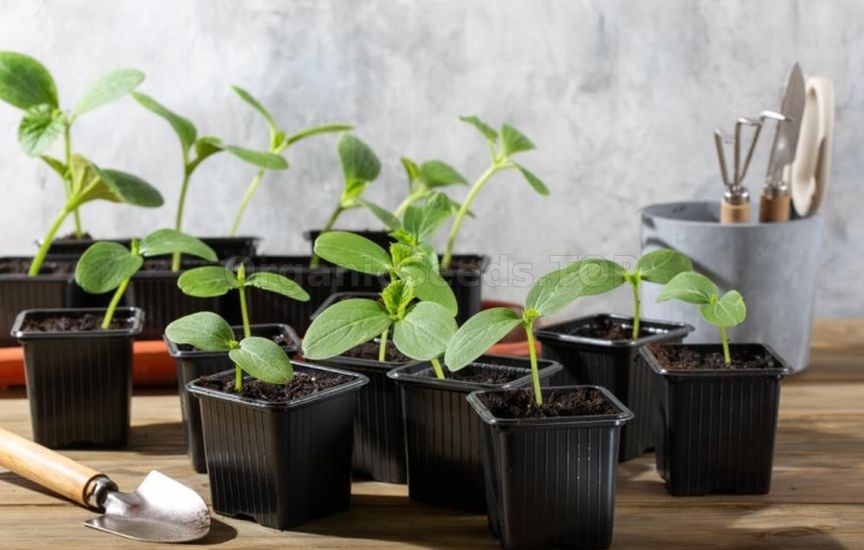 Cucumbers also tolerate transplanting poorly, so they should be sown immediately in separate pots. The first feeding is applied after the appearance of two true leaves, about two weeks after germination. And the second – a week before planting in the ground, because this crop develops very quickly. For the same reason, if cucumbers were transplanted into nutrient substrate, their first feeding at the seedling stage may also be the last. When to start feeding cabbage seedlings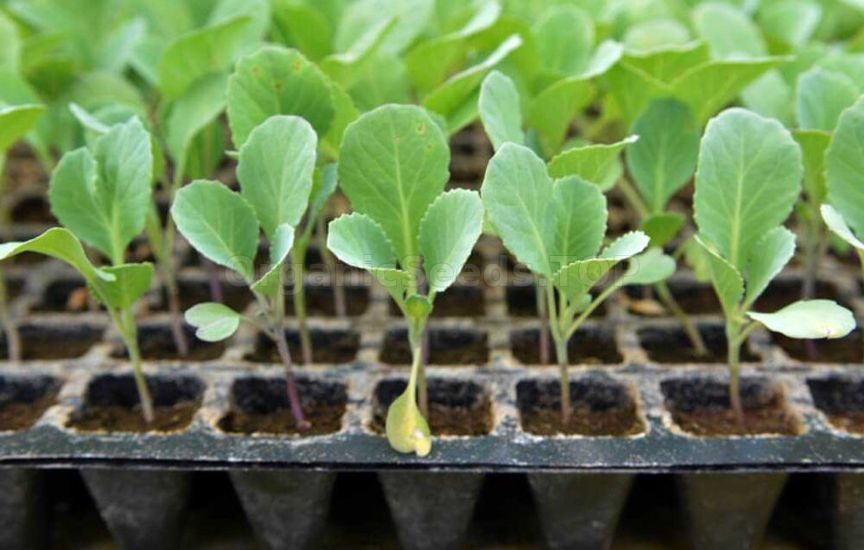 The first feeding of cabbage seedlings with a ready-made mineral complex is carried out at the stage of three true leaves. But if the seedlings are in one container, then they need to be transplanted to stimulate the development of a powerful, branched root system. Feeding in this case is carried out 7-9 days after transplanting. It can be done a little later. When to start feeding flower seedlings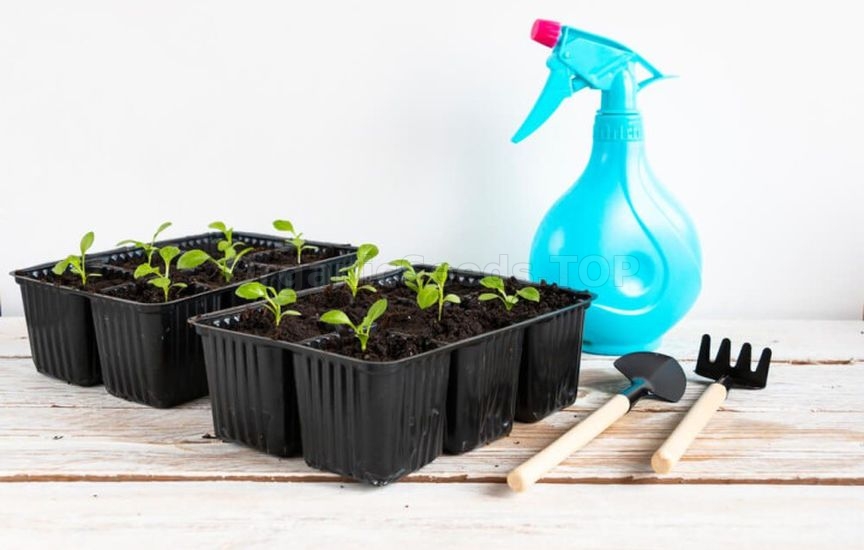 The first feeding of annuals and perennials is carried out after the appearance of the first true leaf or 10-14 days after transplanting. However, fertilizer application can be postponed if the soil is sufficiently nutritious and the seedlings look vigorous. If necessary, fertilizers are applied every 7-14 days until the bushes are planted in the flower bed. Rules for the first feeding of vegetables and flowers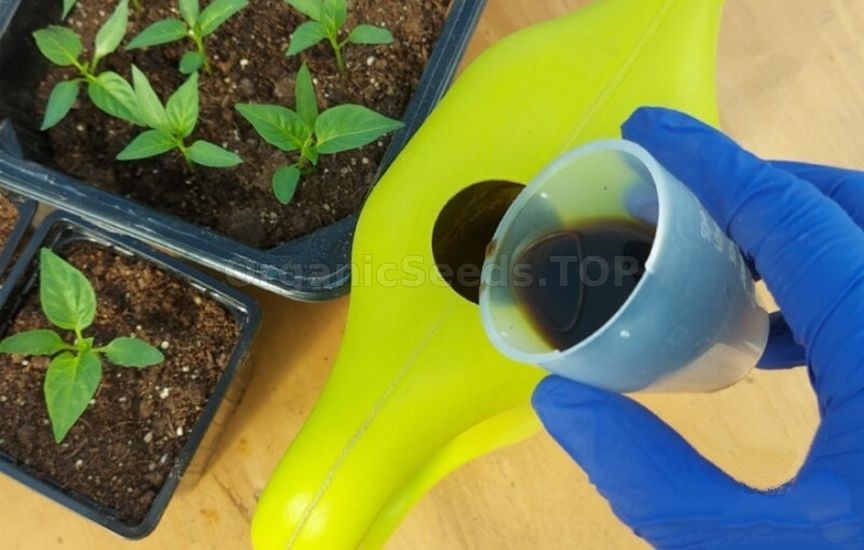 The first feeding after the appearance of true leaves is not vital if the plant feels normal. Sometimes seedlings are fed much later, focusing on the composition of the soil mixture, the condition of the seedlings. However, in any case, the following rules should be taken into account.
You may need:Vegetables seedsFlower seedsOrganic fertilizers |
|
|