
What to do with garden beds after harvesting: a step-by-step plan for autumn |
After harvesting, work on the garden beds does not end. Your efforts during this period directly affect soil fertility and the health of plants in the new season.
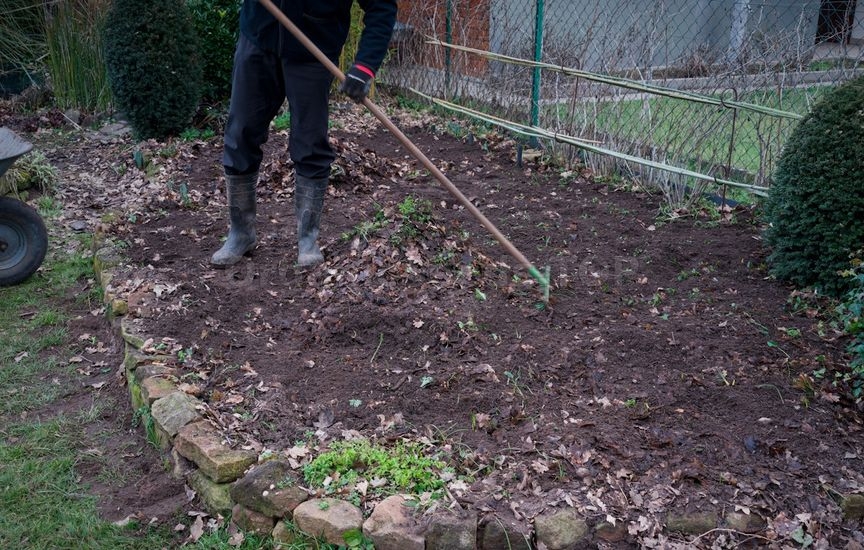 These include cleaning, digging, restoring soil fertility, and much more. Step 1. General cleanupAutumn preparation of the garden beds should begin with a thorough removal of everything unnecessary. As soon as another bed is cleared, all plant residues should be removed from it: tops, stems, fallen leaves, rotting fruits, and roots. All of this serves as an ideal shelter for dangerous garden pests to overwinter: the Colorado potato beetle, onion fly, or spider mite.
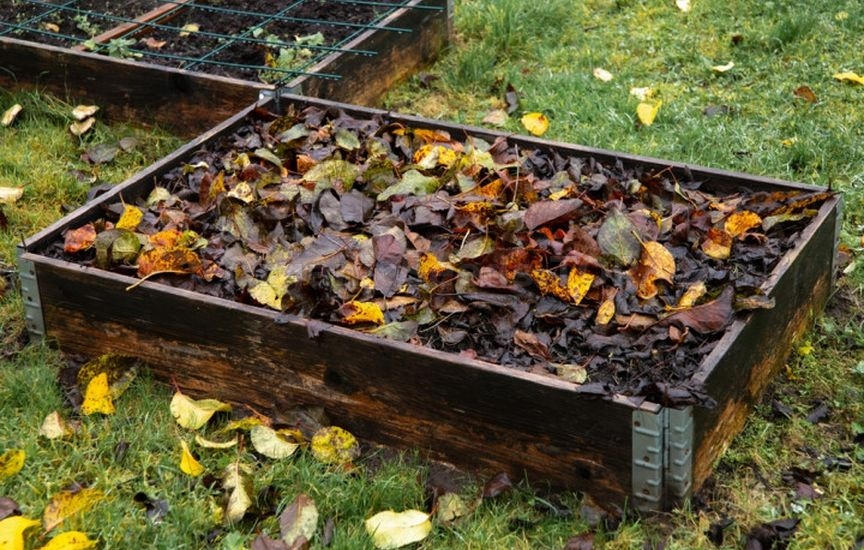 Before disposing of all the debris, carefully inspect the plants that developed poorly during the season. Spots on leaves, a coating, rot, premature wilting, and deformation of fruits may indicate fungal or bacterial diseases. Such plant residues should not be placed in the compost pile: if the compost does not heat up sufficiently, pathogens may survive and later enter the soil together with the useful fertilizer. It is better to remove these wastes from the site or burn them. Healthy parts of plants, such as beet tops or cabbage leaves, can safely be added to the compost pile. Stems and large plant fragments should preferably be chopped beforehand, as this will help them decompose faster. Step 2. Weed control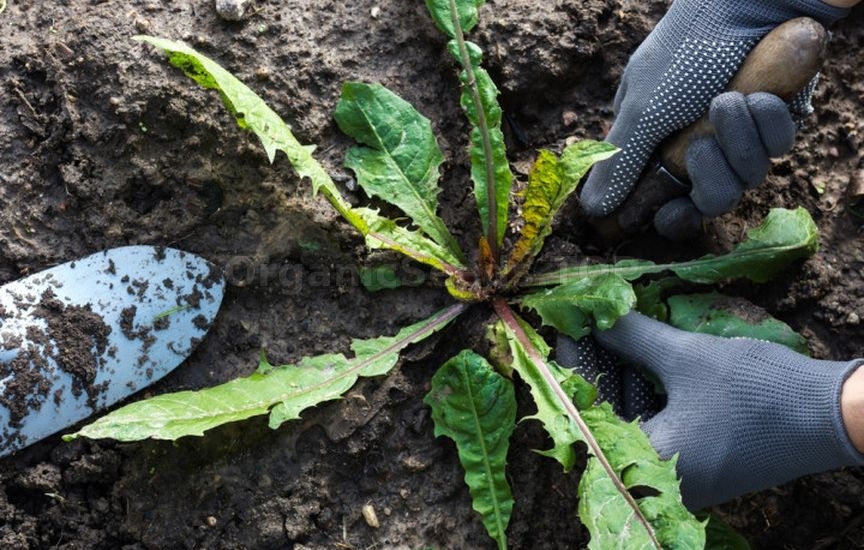 At the same time as removing plant residues, it is important to remove weeds from the garden beds. At the beginning of autumn, many of them are still actively growing, and some even manage to produce seeds that can retain their ability to germinate in the soil for years. To deprive weeds of this opportunity, cleared beds must be thoroughly weeded. Since there is now no need to worry about damaging vegetables growing nearby, weed removal will go faster than in summer. Pay special attention to creeping aggressive weeds: couch grass, dandelion, thistle, etc. When fighting them, it is important not simply to cut off the above-ground part with a hoe, but to try to extract the long roots from the soil. If weed rhizomes are left in the ground, a prolonged and warm autumn will allow them to take root and begin to «capture» new territories. As a result, there will be even more weeds in your garden in early spring. Step 3. Digging or loosening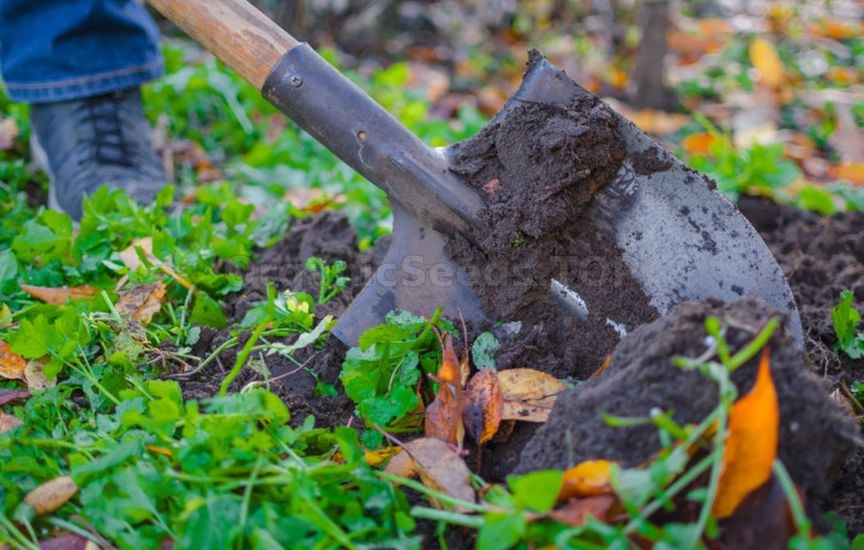 Discussions about whether garden beds need to be dug in autumn have not died down among gardeners for years. Here it is important to take into account the type of soil on a particular site. If you have heavy, compacted, clay soil into which you add peat or compost, autumn digging is simply necessary. It should be carried out to the depth of a spade, without breaking up the large clods that form. In winter, the water in these clods will freeze, expand, and naturally loosen the soil structure. In addition, during such digging, pest larvae come to the surface and die from the first frosts. If the soil on the site is light, sandy, or sandy loam, deep digging will only harm it. Excessive turning of the soil layers will disrupt the established structure and destroy some of the natural soil channels. Such soil can simply be deeply loosened with a garden fork or a flat cutter, while incorporating fertilizers (more on this below) to a shallow depth. Step 4. Applying fertilizers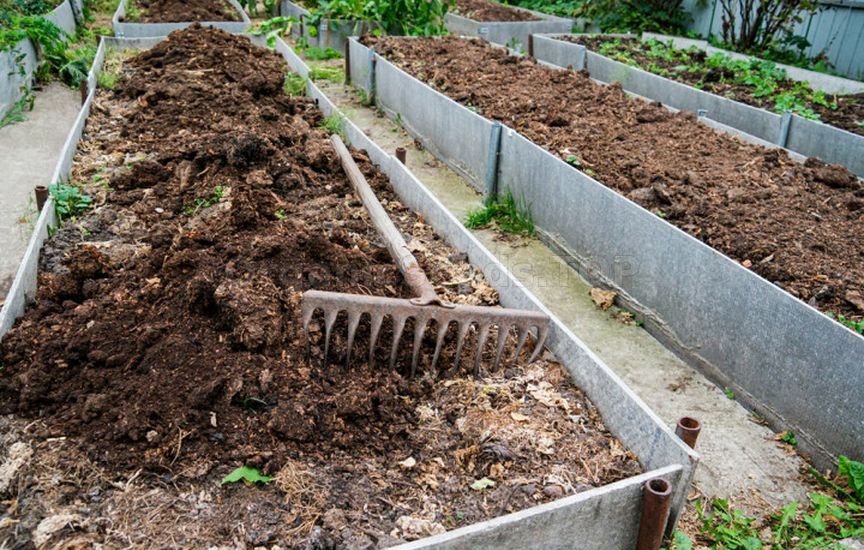 During the season, vegetable crops have removed a huge amount of nutrients from the soil, and this deficiency now needs to be replenished. Autumn is an ideal time for applying both organic and mineral fertilizers. Various organic fertilizers are used to restore soil fertility in autumn: well-rotted manure, compost, limed sphagnum peat, and rotted sawdust from deciduous trees. Fresh manure can even be applied in autumn: by spring, it will have time to decompose and will not pose a danger to plants by the time they are planted. The choice of fertilizers depends on the type of soil on your site. Thus, to loosen dense clay soil and increase its air and water permeability, mature compost or humus, limed peat, and sand are applied to the beds in autumn at a rate of 4–6 kg of each component per 1 sq. m. On light sandy soils, the task is not only to enrich the soil with useful substances, but also to make the soil more moisture-retentive in order to improve conditions for plant development. Autumn application of rotted wood sawdust, leaf or manure humus, and compost will help achieve this. All organic fertilizers are applied when digging, distributing them in an even layer over the surface of the beds. It is best to do this before sowing green manure crops. In addition to organic matter, phosphorus-potassium mineral fertilizers are also applied to the soil during this period. Both elements are well fixed in the soil and by spring will pass into a form that the roots of young plants can easily absorb. To replenish phosphorus and potassium reserves, superphosphate (single and double), potassium magnesium, potassium sulfate, or complex fertilizers labeled «Autumn» can be applied to the beds in autumn. On slightly acidic soils, phosphate rock can be applied. However, the use of nitrogen mineral fertilizers should be completely abandoned in autumn. Nitrogen is easily washed into deeper layers of the soil by meltwater and only stimulates unnecessary weed growth during warm autumn days. Therefore, the main nitrogen fertilization is usually left for spring and the beginning of the growing season, when it is really necessary for cultivated plants. Step 5. Regulating soil acidity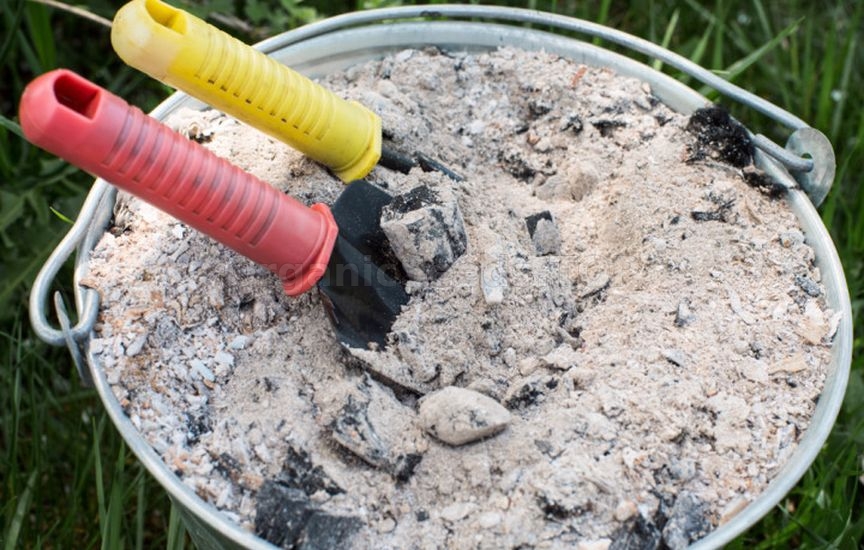 Most vegetable crops prefer neutral or slightly acidic soil. If the soil in your garden has increased acidity, which is often indicated by the appearance of weeds such as horsetail, chickweed, or plantain, liming should be carried out in autumn. The acidity level can be determined using a pH meter, litmus paper, or an indicator solution. Lime the soil using dolomite flour, slaked lime, or ordinary wood ash, which not only helps reduce soil acidity but is also an excellent source of potassium, phosphorus, and trace elements. Lime fertilizers are scattered over the surface of the beds and then dug or cultivated into the soil. The lower the application rate, the shallower the incorporation depth can be. Throughout the winter, the fertilizers interact with the soil, creating optimal conditions for future plantings by spring. Lime fertilizers should not be mixed with phosphates and sulfates, or with potassium fertilizers. An interval of at least two weeks between applications is recommended. Step 6. Soil improvement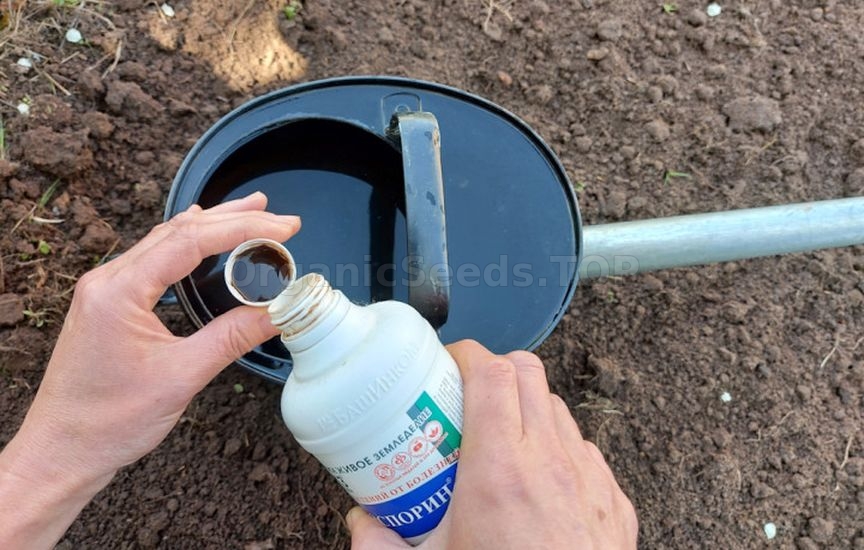 Soil disinfection should also be included in the list of autumn tasks. Over the summer, pathogenic microorganisms inevitably accumulate in the soil. To prevent them from harming your plantings in the next season, protective treatments should be carried out in autumn. Two main methods are used to improve garden beds: biological and chemical. Modern gardeners are increasingly giving preference to biological preparations based on hay bacillus or Trichoderma (Fitosporin-M). These beneficial fungi and bacteria not only destroy pathogens but also promote the rapid decomposition of small roots remaining in the soil, turning them into humus. Biological products should be used in warm weather, while the soil temperature has not dropped below 10 °C; otherwise, biological preparations will be ineffective. If plants in the garden or on a particular bed were severely affected by diseases during the past season, more radical measures will be necessary, and the soil should be treated with strong chemical preparations. The most effective are a 2–3% solution of iron sulfate or a 1% solution of copper-containing preparations (copper sulfate or Bordeaux mixture). However, remember that copper-based preparations should not be used for soil treatment every year, in order to avoid excessive copper accumulation in the soil. They are recommended to be used no more often than once every 4–5 years. «Chemicals» kill not only pathogenic microorganisms but also beneficial ones. To restore them in the soil, after disinfection treatment, water the soil with a solution of any EM preparation (Baikal EM1 and others). These products will help populate the soil with beneficial bacteria. Step 7. Sowing green manure crops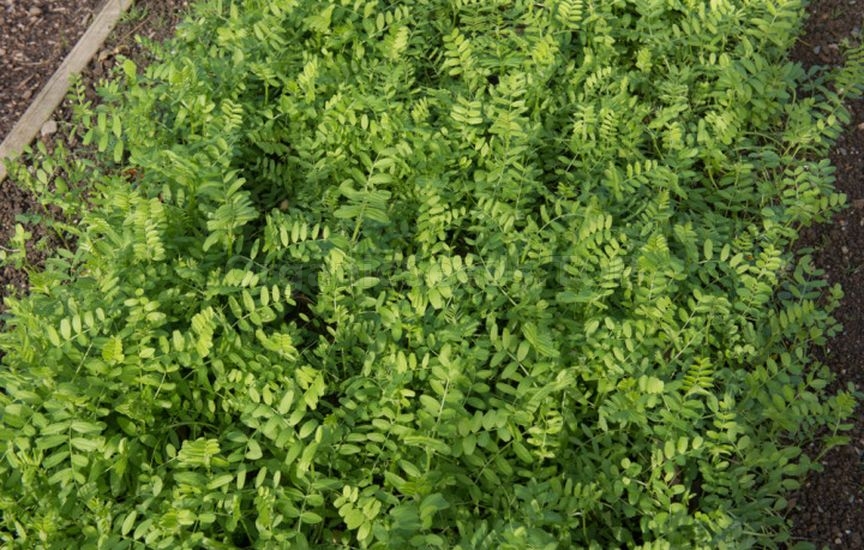 If a garden bed is cleared early enough, it can be sown with green manure crops. These green fertilizers protect the soil surface from erosion and partially suppress weed growth, enrich the soil with useful elements, and significantly improve its physical properties. For autumn sowing, crops that can develop quickly as temperatures decrease are suitable. Most often, mustard, oilseed radish, phacelia, flax, lupine, oats, or rye are sown in autumn. Sown immediately after harvesting vegetables, green manure crops have time to develop a dense green mass before the onset of persistent cold weather. When choosing a green manure crop, it is important to take crop rotation rules into account: you should not sow a green manure crop belonging to the same family as the vegetable crop that will grow there the following year. There is no need to incorporate green manure crops deeply into the soil. If desired, they can even be left on the soil surface until spring. In this case, the mown plants will create a natural protective cover that will gradually decompose, turning into humus. Step 8. Mulching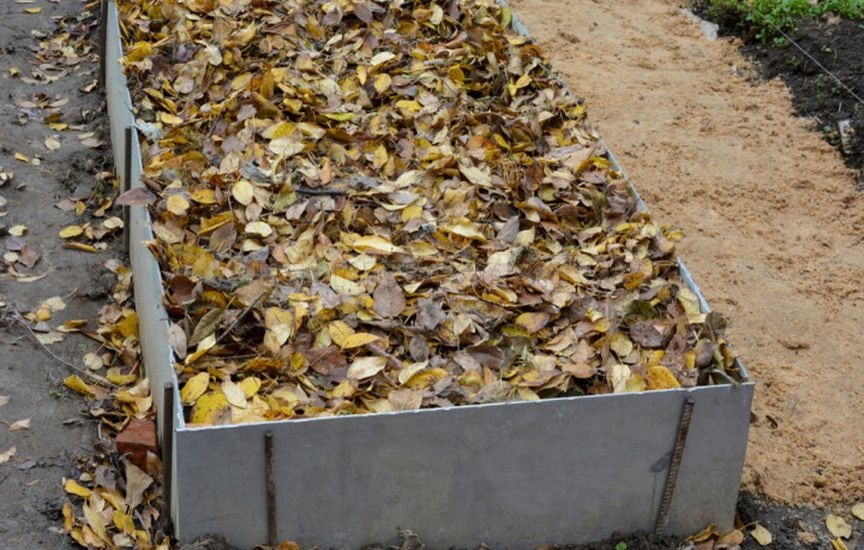 The final step in the series of autumn tasks on garden beds is protecting the soil from harsh winter conditions. The soil surface should never be left uncovered for winter. Without a protective layer, strong winter winds will blow away the fertile layer, while spring meltwater can wash away the soil. To prevent this, prepared beds are covered with a thick layer of mulch. Dry fallen leaves, mown grass, peat, or agrofabric are excellent for this purpose. Mulch protects the soil from deep freezing, retains moisture, and creates comfortable conditions for earthworms, which continue their useful work even under the snow. If raised beds are installed on the site in wooden or plastic boxes, their sides should be checked for strength before winter. Correct any warped elements and, if necessary, treat the wooden parts with a protective antiseptic to extend their service life and prepare the boxes for the coming season. You may need:Green manure seedsOrganic fertilizersTools & supplies |
|
|