
Fertilizers in the form of sticks: use and advantages |
For the health and beauty of indoor plants, balcony and potted crops, regular and balanced intake of nutrients is necessary. Among the variety of fertilizers, a special place is occupied by fertilizers in the form of sticks.
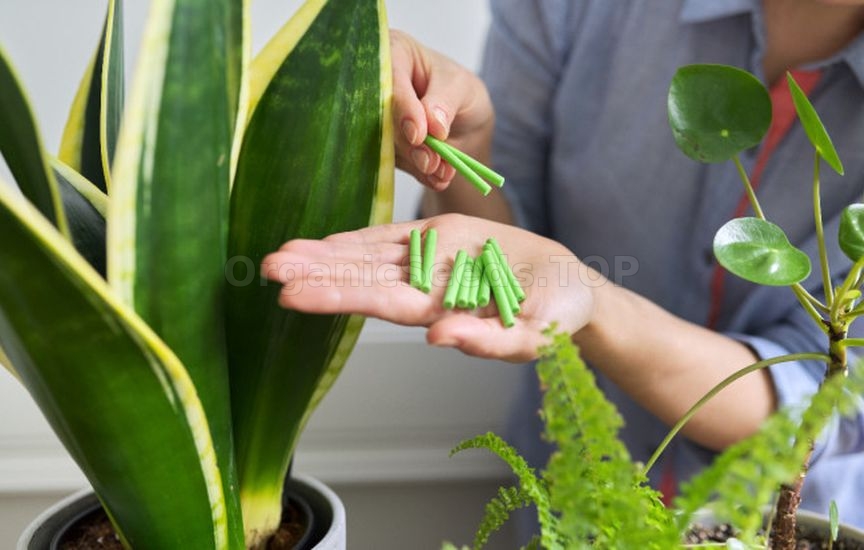 Efficiency and ease of use make them an ideal choice for both beginners and experienced gardeners. Principle of action of stick fertilizers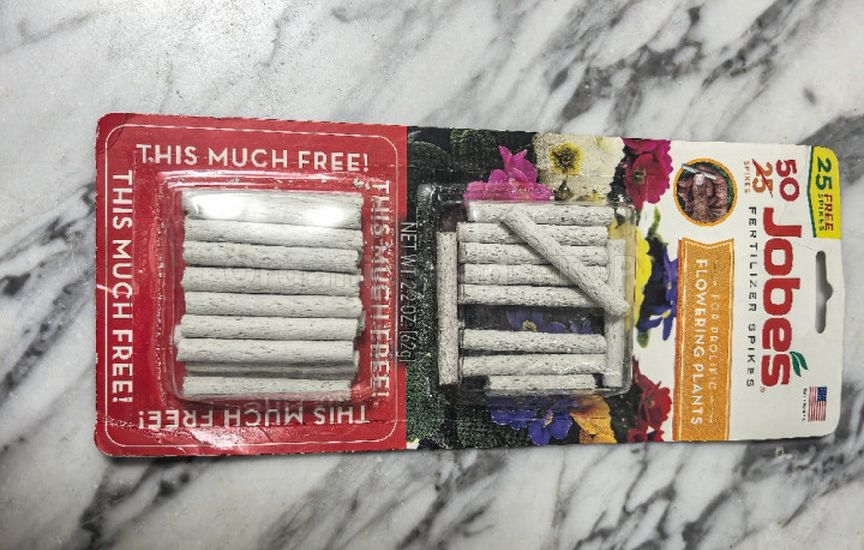 Fertilizers in sticks are nutrients compressed into small cylinders (sometimes they resemble tablets in shape), which gradually dissolve in the soil under the influence of moisture. Fertilizer sticks contain a complex of macro- and microelements necessary for plants: NPK (nitrogen, phosphorus, potassium), as well as magnesium, iron, boron and other substances. Some sticks may include additional components and organic additives (for example, bone meal, sapropel, etc.). The composition of the sticks can be universal or specialized, developed specifically for certain groups: for flowering or decorative foliage plants, for orchids, cacti, etc. The main feature of these sticks lies in their mechanism of action. They belong to long-acting fertilizers. After the stick is placed in moist soil, it begins to slowly and gradually dissolve with each watering. Water penetrates into the compressed mass, releasing nutrients, which are then evenly distributed in the soil and absorbed by the plant’s root system. This process can last from one to three months, and for products of some manufacturers – even up to six months. Thus, one simple manipulation provides the plant with constant dosed nutrition for a long time, freeing the owner from the need to regularly prepare solutions and keep a feeding schedule. This makes fertilizers in sticks especially convenient for those who love plants but cannot devote much time to caring for them. Rules for using stick fertilizers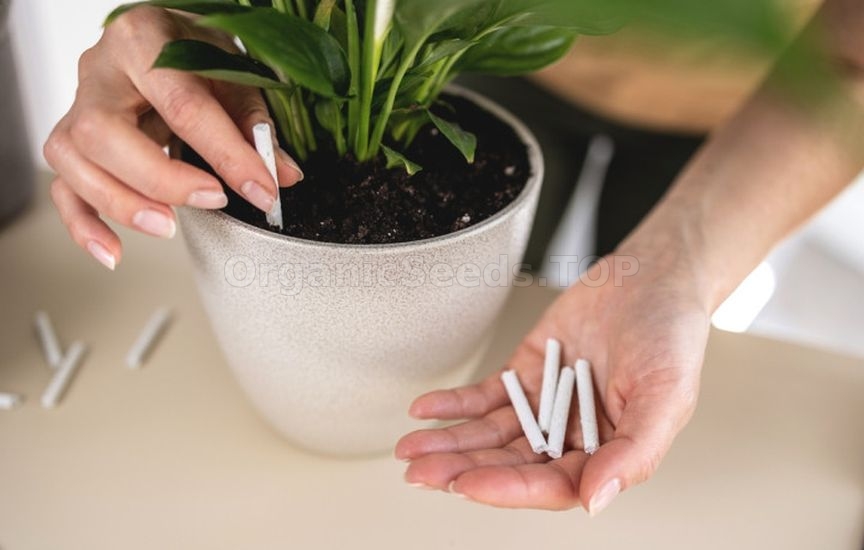 Despite the simplicity of using fertilizers in sticks, there are rules that must be observed, because the effectiveness of such fertilizers directly depends on the correctness of their application. The first and most important step is choosing the right product. Always pay attention to the composition and percentage ratio of NPK to determine how well it meets the needs of your "green pets". For example, flowering plants need sticks with a high content of phosphorus and potassium, and decorative foliage plants – with a high concentration of nitrogen. Before applying fertilizer, be sure to water the plant if the soil is dry. Moist substrate contributes to a faster start of the dissolution process. The number of sticks is calculated based on the volume of the pot. The standard recommendation of most manufacturers is one stick per 10-15 cm of container diameter. If the pot is very large, 3-4 sticks may be required. They should be evenly distributed around the perimeter, at a distance of about 5-7 cm from the plant stem. This is done so that the nutrition spreads throughout the root growth zone and is not concentrated in one place, as this can lead to root burn. The sticks should be immersed vertically into the soil to a depth of about 2-4 cm. To prevent them from breaking under pressure, make a small hole in the soil beforehand. For this, it is convenient to use a pencil, a chopstick or any similar tool. After placing the stick in the hole, cover it with soil and lightly compact it. After installation, it is recommended to slightly water the plant to speed up the dissolution process of the fertilizer. The frequency of application depends on the composition of the sticks and the needs of the specific plant. Usually manufacturers indicate on the packaging the recommended duration of use of one stick. During the active growing season (spring-summer), this period can vary from 1 to 3 (sometimes up to six) months. In the autumn-winter period, when most plants are dormant, fertilization is either completely stopped or significantly reduced in frequency. It is important to follow these instructions to avoid oversaturation of the soil with nutrients. Advantages of stick fertilizers compared to other types of fertilizers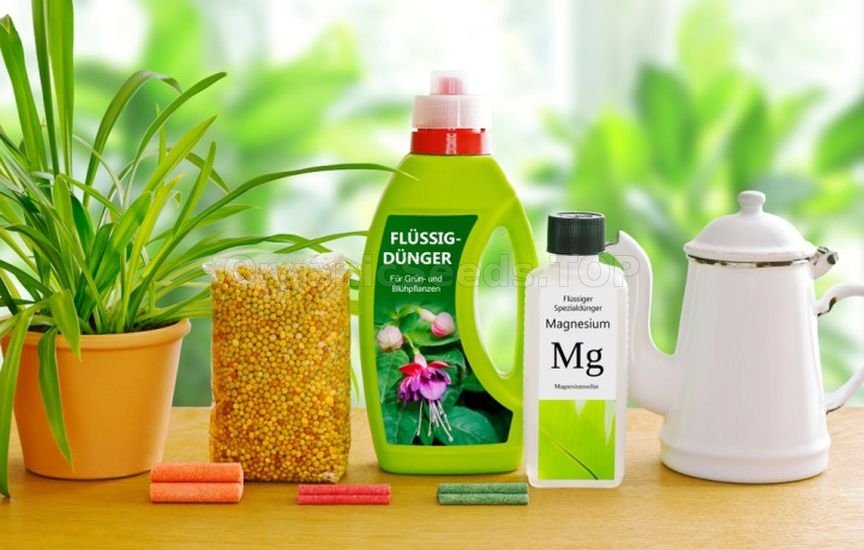 The main advantage of fertilizers compressed into sticks is the convenience of their use. Unlike liquid or powdered fertilizers, they do not need to be measured, diluted or evenly distributed – it is enough just to place the stick in the soil. In addition, only one feeding is required once every few months, which significantly saves time. This is an ideal solution for busy people, novice growers or those who have a large collection of plants. Another important plus of such fertilizers is their prolonged (long-term) action. The stick dissolves slowly, so the plant does not receive nutrients in shock doses, as often happens with improper use of liquid fertilizers. Instead, it receives constant balanced nutrition in small portions. This prevents the risk of overdose and root burn, and also eliminates "hungry" periods between feedings, ensuring even and healthy growth. Fertilizers in the form of sticks are distinguished by targeted action – this is another plus. Nutrients are released directly into the soil, into the root zone, and do not fall on the leaves, which eliminates the risk of chemical burns, possible when spraying or careless watering with liquid compositions. And finally, fertilizers in sticks are compact and economical. They are easy and convenient to store – they do not require much space; unlike liquid or powdered fertilizers, there is no need to measure their quantity, weigh and dilute with water. And thanks to the exact dosage, overspending of the product is excluded, which makes sticks a profitable choice for long-term use. Disadvantages of fertilizers in the form of sticks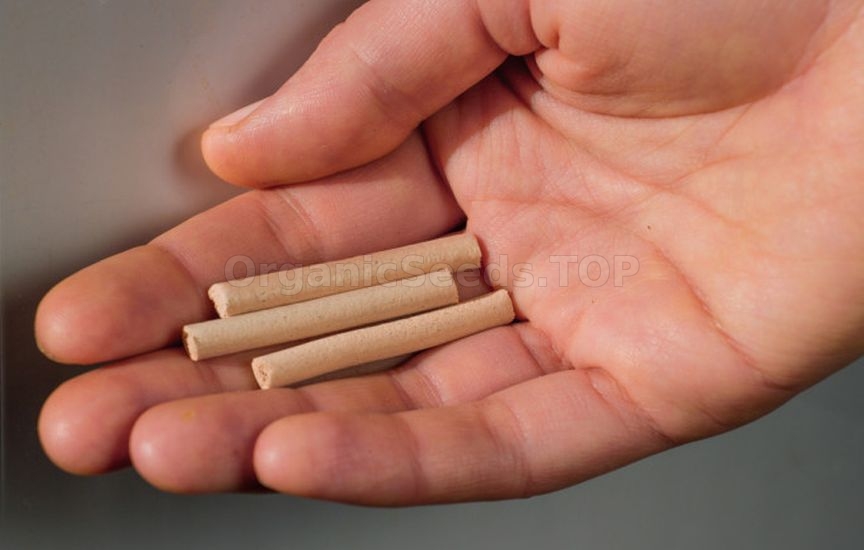 Despite the numerous advantages of stick fertilizers, they also have certain disadvantages that should be considered when choosing the appropriate method of plant fertilization. These limitations do not make such fertilizers less effective, but may affect the result depending on specific conditions of use. The main disadvantages of compressed fertilizers:
Fertilizers in the form of sticks are a modern, effective and extremely convenient way to maintain the health and beauty of plants. The use of such fertilization ideally fits into the rhythm of modern life, providing "green pets" with professional care with minimal effort. You may need:Organic Fertilizers |
|
|