
Green manures in autumn: which ones to choose and when to incorporate them into the soil |
Every knowledgeable gardener is aware of the benefits of green manures on the plot. These fast-growing, abundantly vegetating crops, planted on vacant soil and then mown and ploughed under, decompose and enrich the soil with beneficial organic matter.
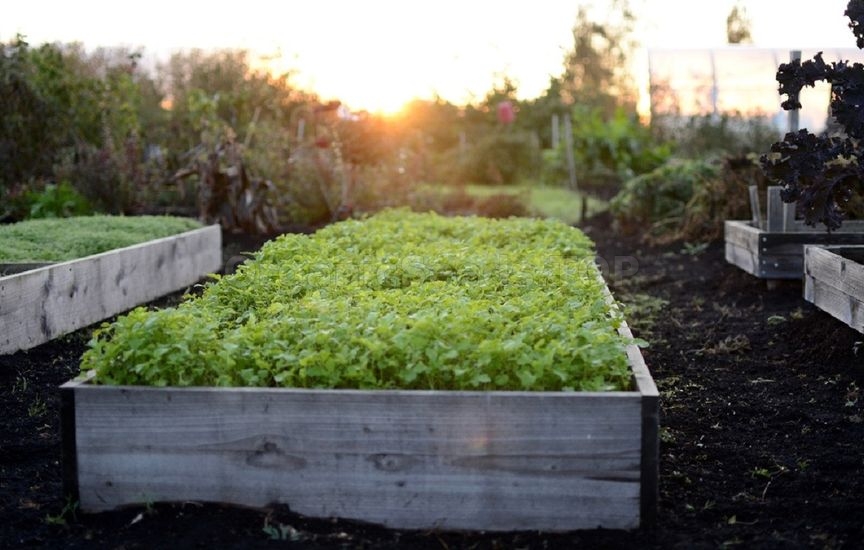 This technique allows you to enrich the soil with valuable nitrogen and protects it from weathering, improves air and water permeability, suppresses weed growth, prevents the spread of bacterial and fungal infections. It is also a good alternative to chemical fertilisers and a suitable option for advocates of natural farming – which is why green manure crops are often called «green fertiliser». Thrifty gardeners have long appreciated the simplicity and effectiveness of this valuable fertiliser, which improves soil health, so today almost every country garden has an area under «green manure fallow». At the same time, green manures can be sown in open beds and greenhouses not only in spring or early summer – many of these crops are quite suitable for autumn sowing. Some of them grow so quickly that you will have time to mow and incorporate the green mass before winter, while others will emerge in the earliest spring and «prepare» the soil for cultivated plants. So which particular green manure crops can be sown in autumn, when should they be mown and how should they be ploughed under? When to sow green manures in autumn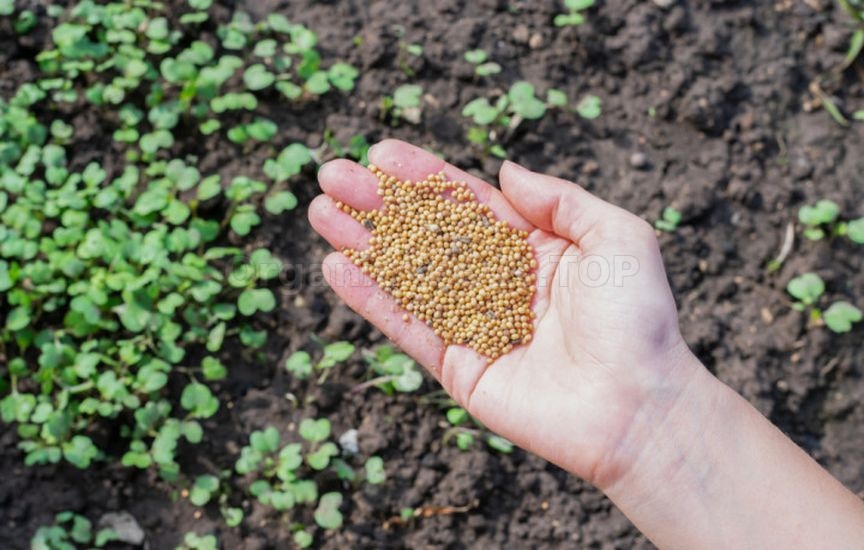 If we are talking about the end of the season, suitable green manures can be divided into two groups according to sowing time:
Which green manures are suitable for autumn sowing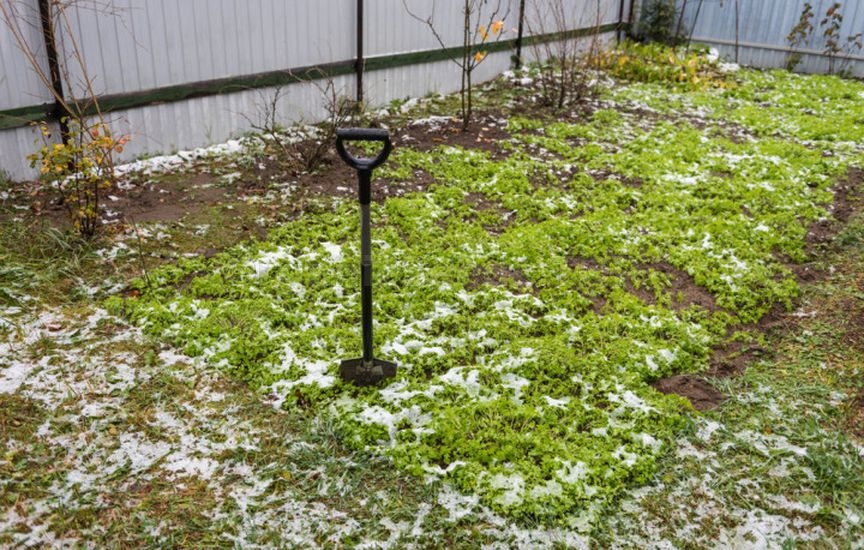 After harvesting the main crops, to restore soil fertility and other valuable properties, plants from the Cruciferous family are mainly sown – rapeseed, mustard, radish, turnip rape, as well as legumes, buckwheat and phacelia. Winter oats, rye and other cereals, vetch, clover, lupine (including in mixtures), as well as phacelia are usually chosen for the latest sowings. 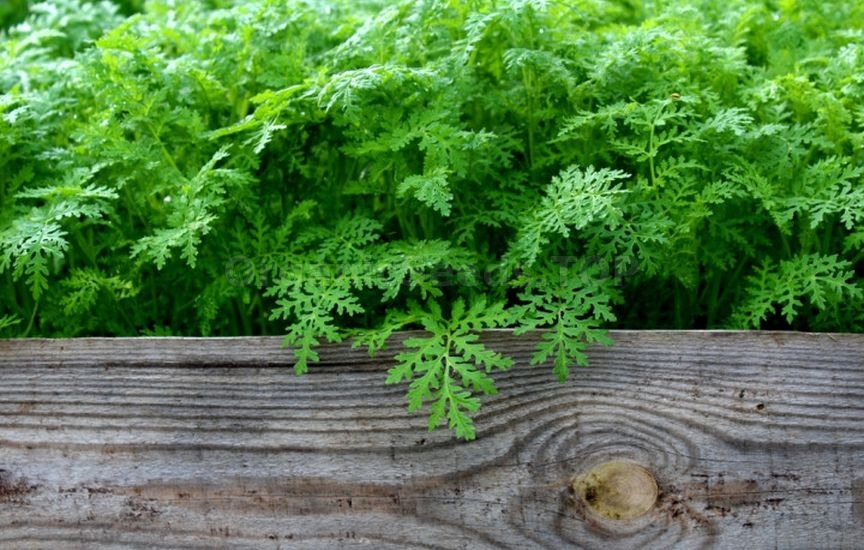 Phacelia A universal green manure, after which any vegetables and berries will feel very comfortable. Phacelia is undemanding, cold- and drought-resistant, and distinguished by rapid growth and ornamental qualities. It grows well on clay, sandy, peat and even stony soils. It loosens dense-structured soils, strengthens light soil, while reducing acidity levels. Phytoncides contained in the plant tissues suppress the reproduction in the soil of dangerous bacteria and fungi, pathogens of rots, scab and late blight. They also repel aphids, codling moths, wireworms and nematodes. The sowing rate is 1.5–2 grams per square metre. The green mass, rich in nitrogen and other mineral substances, is cut 45–50 days after sowing. It is incorporated to a depth of up to 10 cm. Sown for winter, phacelia will protect the soil from deep freezing. Rapeseed This brightly flowering plant is not only ornamental but also truly unique. Rapeseed not only attracts beneficial insects but also repels wireworms, reduces the risk of scab and rhizoctonia in potatoes, and enriches the soil with organic matter, phosphorus and sulphur. The plant easily withstands frosts but does not like waterlogged areas, acidic or excessively poor soils. Winter rapeseed is sown at the very beginning of September at a rate of 2 grams of seeds per 1 square metre. It is mown after 1.5 months. Buckwheat Buckwheat as a green manure is absolutely indifferent to soil type: it can grow on poor, acidic and heavy soils, enriching them with organic matter, potassium and phosphorus. In addition, thanks to its dense seedlings, it is capable of displacing numerous weeds in one season, for example, couch grass. The only things that can negatively affect buckwheat growth are a sudden cold spell or prolonged drought. It is sown at any warm time at a rate of 10 grams of seeds per 1 square metre, and mown approximately one month after the flowers appear. Buckwheat can be used between rows of fruit crops. 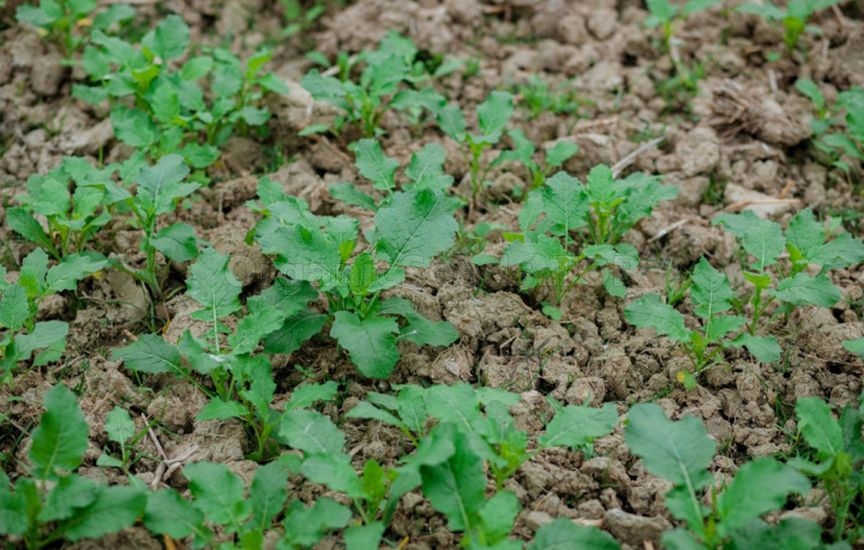 Mustard Mustard quickly produces lush greenery, provides light shade for young shoots of cultivated plants, while restraining weed growth. In addition, it is an indispensable means of combating scab and late blight, which makes it a welcome «guest» in the garden and on beds with potatoes. For winter, mustard seeds are sown in September, after the harvest has been removed from the beds. In this case, the tops are cut only in spring. Moreover, mustard is so tender and decomposes so quickly that it is not even incorporated into the soil. Mustard seeds are sown in rows with an interval of 10–15 cm between them or broadcast. The seed rate in the first case is 1–1.5 grams per square metre, and when scattered, 3–4 grams per square metre. Lupin Lupin is notable for the fact that special nitrogen-fixing bacteria live on its long roots (up to 2 m), which absorb nitrogen from the deep layers of the soil and then release it into the upper layers. In addition, lupin makes phosphorus compounds that are difficult to assimilate available to other crops. Thanks to lupin, the soil becomes less dense, its acidity decreases, and its ability to accumulate and transmit moisture improves. The seed sowing rate is 20–30 grams per square metre. In autumn, lupin can be sown both at the beginning of September (the green mass is ready for mowing 6–8 weeks after emergence, before the stems become coarse) and just before winter using the dry method (in this case, green manure is obtained in the new season).  Clover Clover prefers moist soil with a slight level of acidity. Like other legumes, it saturates the soil with organic matter, nitrogen and other mineral substances. The roots protect the soil from weathering and leaching, while loosening the earth, making it light, loose, rich in oxygen and moisture. By helping the activity of beneficial soil bacteria, clover promotes the formation of useful humus. However, soils with high acidity or salinity are not suitable for clover. Autumn sowing, as in the case of lupin, is possible in two stages: at the beginning of September, to have time to incorporate the green mass into the soil this season, or on frozen ground in dry soil at a temperature below 3°C, to obtain greenery in spring. The sowing rate in the first case is 2 grams per square metre; for winter sowing, it is doubled. Woad Woad is absolutely undemanding to soil type and watering, resistant to temperature fluctuations and drought, and shade-tolerant. Its bright flowers attract bees, while the plant itself enriches the soil with nitrogen, calcium, potassium and plant-available phosphorus. It is especially good at restoring soil on former potato plots. The crop is sown in July–August or just before winter (for mowing in spring) at a rate of 2 grams of seeds per 1 square metre. 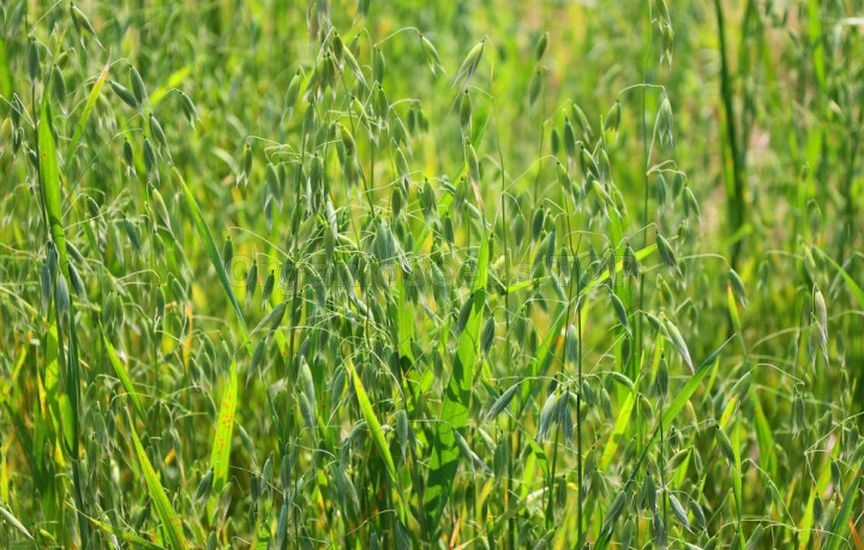 Oats Like all cereal crops, oats enrich the soil with valuable organic matter, as well as macronutrients – phosphorus and potassium. To saturate the soil with the necessary amount of nitrogen, oats are best sown in a complex mixture with fast-growing spring vetch or peas. The cereal grows on different types of soil – from sandy and clay soils to peatlands and chernozems. In terms of effectiveness and ability to fertilise the soil, oats are similar to manure. The root system of oats is capable of loosening dense soil, providing access to air and moisture in the inner layers. Thanks to the strengthening properties of its roots, oats protect light soils from erosion and make it easier for plants to absorb moisture. In addition, the roots of this cereal contain a substance capable of suppressing the pathogens of root rots and bacterial and fungal diseases. The latest sowing date (before winter) is the first half of September. When sown in rows, the sowing rate is 10 grams per square metre. The broadcasting method requires an increase in consumption to 15–20 grams per square metre. The depth of incorporating the grains into the soil is 3–4 cm. Vetch Vetch is a rather demanding green manure. Its climbing stems need support, and therefore the crop has to be sown in a mixture with other, stronger grasses, such as oats, turnip rape or mustard. On poor soil, vetch may simply fail to emerge, but on fertilised soil it can almost double the yield of subsequent plantings. Vetch is sown at the end of the season at a rate of 15 grams of seeds per 1 square metre – from mid-August to mid-September or in November for winter sowing of winter varieties. When to mow and incorporate green manures into the soil in autumn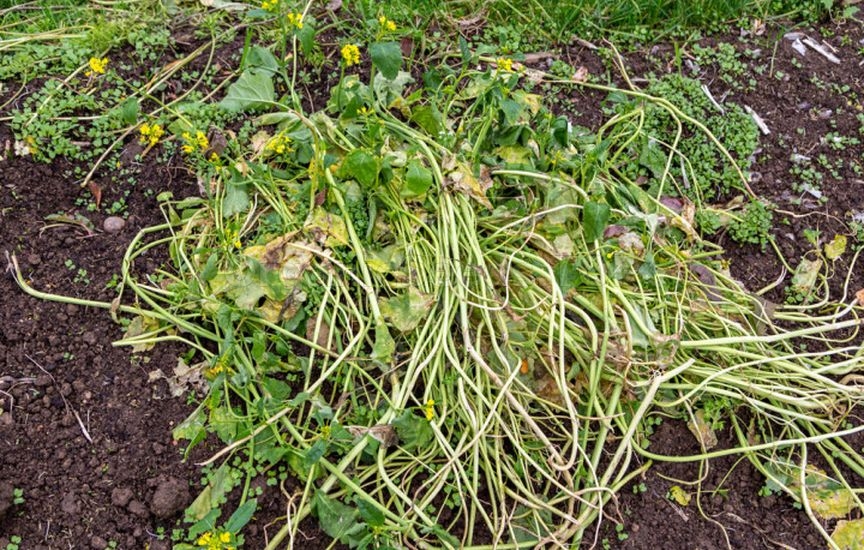 In autumn, green manures are mown at any convenient time, usually 2–3 weeks before the onset of persistent cold weather and frosts, when the plants reach a height of 20–30 cm (have accumulated enough green mass) and обязательно before flowering begins. If «green fertilisers» were sown late (at the end of September or in October) and did not have time to grow before the frosts, the plants do not need to be mown. The green mass and roots will safely overwinter under the snow. Winter crops sown before winter (for example, rye or rapeseed) are not touched at all in autumn; they are mown only in spring – usually during the same 2–3 weeks before sowing the «main» seedlings. How to incorporate green manures into the soil in autumn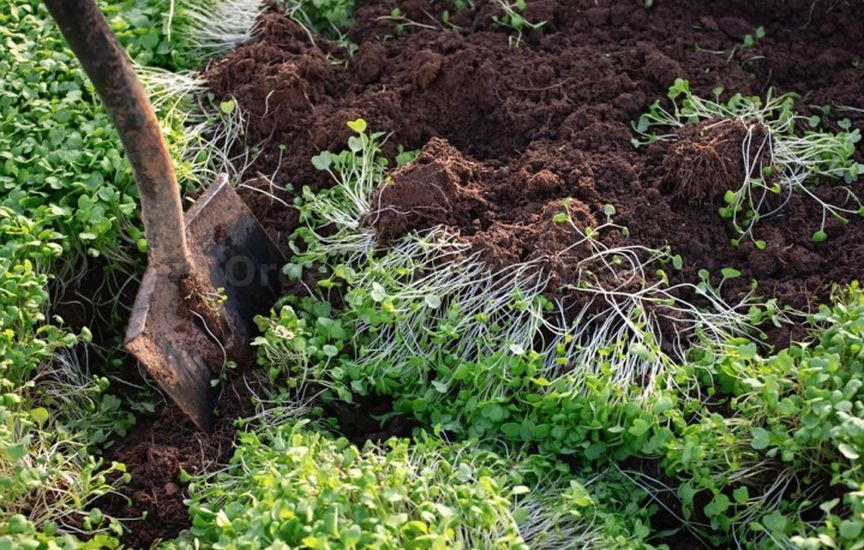 If previously it was recommended to literally «plough under» or «bury» cut green manures in the soil, today this is strongly discouraged. The fact is that deep digging disrupts the fertile soil layer, all the structure that green manures were intended to create, and also brings to the surface weed seeds that had no way to get «up» while the green manures were growing. Deeply buried fresh organic matter can also block the passage of external moisture, as a result of which the upper layers of soil will be easily washed away by the same rains into «mush», and then dry out, depriving the decomposing green mass inside of access to air, forcing it to sour instead of decompose. Today, the most optimal approach in this process is considered to be the use of a flat cutter or other tools that allow you not to bury the mown green manure plants deep into the soil, but to incorporate them without turning over the soil layer into the very upper layers (no deeper than 8–10 cm), where organic matter will be much more beneficial. Thus, part of the green mass will enter the upper soil layer, while the main part remains on the surface as organic mulch. After that, it is advisable to water the soil with a solution of an EM preparation: for example, Baikal EM1. This will accelerate the decomposition of organic matter, attract earthworms, and as a result, the humus content in the soil will increase. It is important to remember that before deciding which green manures to sow, you need to determine the problem they are supposed to solve. After all, acidic soils correspond to some plants, poor soils to others, overly heavy soils to others, «sick» soils to others, and so on. Green manure crops act selectively on different types of soil, changing their composition and acidity. Also, do not forget that green manures should not be from the same family as cultivated plants that grew or will grow in their place, since such close «neighbours» can become ill and infect each other with the same diseases. You may need:Green manure seedsOrganic fertilizersSpecial offers |
|
|