
How to grow healthy tomato seedlings |
Growing tomato seedlings is an exciting activity that any gardener can handle. Tomatoes grow quickly even despite possible mistakes in care. To make the seedlings strong and healthy, it is important to prepare quality soil, sow the seeds on time and properly care for the plants.
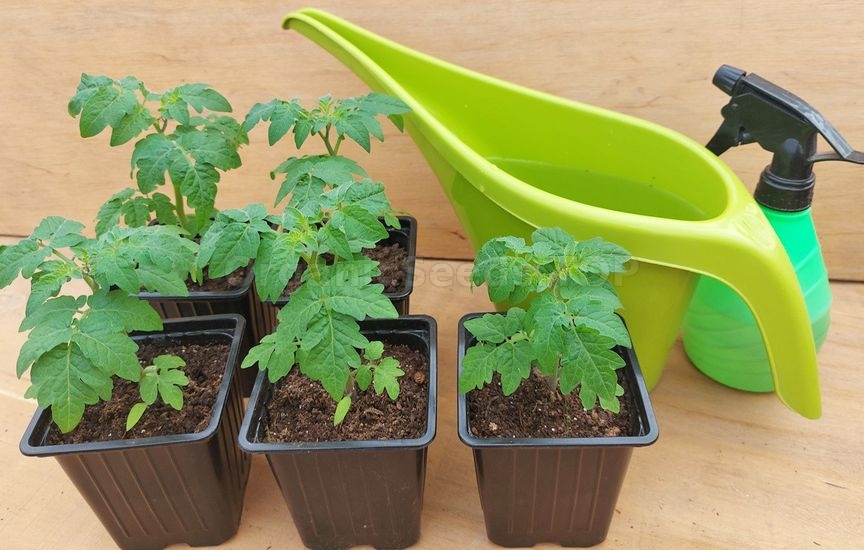 You can start sowing tomato seeds in the second decade of March, approximately 45–55 days before the expected date of planting the plants in a permanent place. First, sow the seeds of late-ripening and mid-ripening tomatoes that will grow in the greenhouse. And early-ripening tomatoes intended for growing in open ground can be sown for seedlings at the end of March or even early April. Soil preparation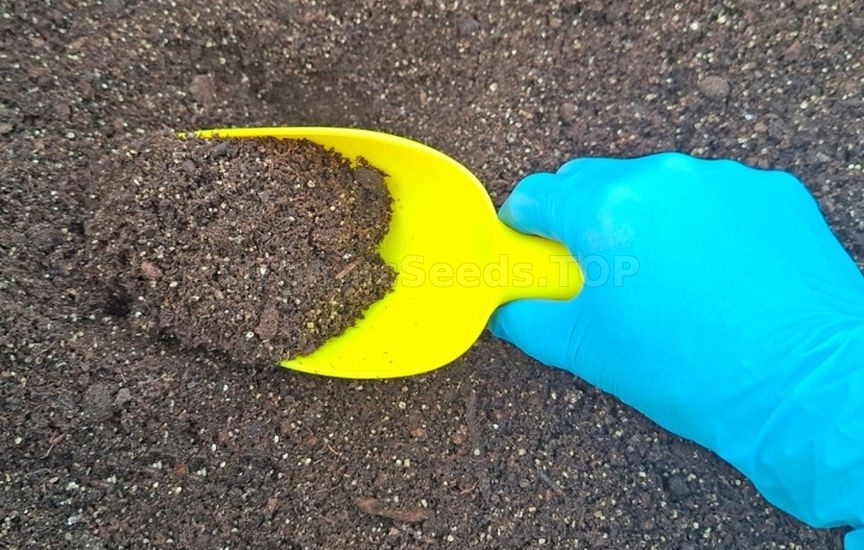 To grow tomato seedlings, you need to prepare quality soil. It should be nutritious, moisture-retentive and loose, with neutral acidity and microflora favorable for plant development. You can buy universal soil for seedlings or prepare it yourself: mix deoxidized peat with biohumus or mature compost in a ratio of 2:1 and add 10–15% loosener (perlite or vermiculite). This will help make the soil mixture air-permeable and moisture-retentive, which is very important both for the development of the root system and for the vital activity of beneficial soil microorganisms. Homemade soil must be disinfected to get rid of pathogenic microorganisms, pest larvae and weed seeds. For this, the soil mixture can be steamed in the microwave or oven for 15 minutes, and then watered with a solution of a biofungicide based on Bacillus subtilis or Trichoderma (Atlant helper bacteria, Bacterra, Trichoderma Veride, Tetris, etc.) to populate with beneficial microorganisms. The optimal soil acidity for growing tomatoes should be within 5.5–6.7 pH. Seed treatment and sowing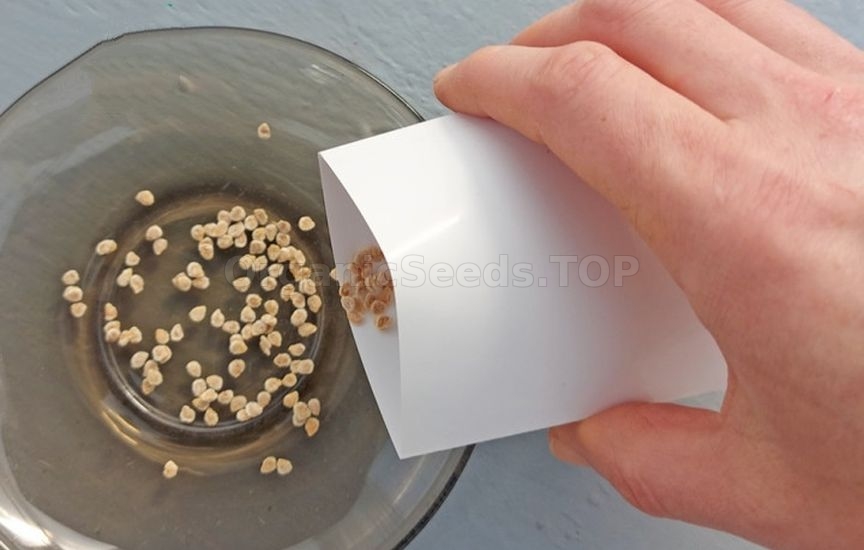 The quality of the seeds affects not only their germination but also the health of the plants. Therefore, it is worth buying seeds from well-known agricultural companies you trust. When buying, pay attention to the production date of the seed material: each year the germination energy of seeds decreases, especially if they were stored incorrectly. On average, the shelf life of tomato seeds is 4–5 years. Seeds covered with a nutrient shell do not need to be treated and soaked: immediately proceed to sowing. But if the packaging does not indicate that the seed material is treated, and also if you use seeds collected from your fruits, they must be disinfected. For this, you can use chlorhexidine or hydrogen peroxide: soak the seeds in undiluted pharmacy preparation for 20 minutes, and then rinse them under running water. After disinfection, it is advisable to soak the seeds in a solution of a biofungicide based on Bacillus subtilis and other beneficial microorganisms to provide additional protection against phytopathogens and stimulate germination. Prepare the working solution of the preparation according to the instructions, pour it over the prepared seeds and leave for several hours. You can also add a complex organomineral fertilizer to the solution. After soaking, the seeds can be sown immediately or left in a damp cloth for germination. This procedure makes it possible to verify their quality and obtain guaranteed sprouts. If you want to increase the cold resistance and stress resistance of future seedlings, the seeds can be hardened. To do this, place the swollen seeds for 10–12 hours on the bottom shelf of the refrigerator. Then take them out and after 12 hours repeat the hardening again. To get the desired effect, it is enough to perform this procedure three times. 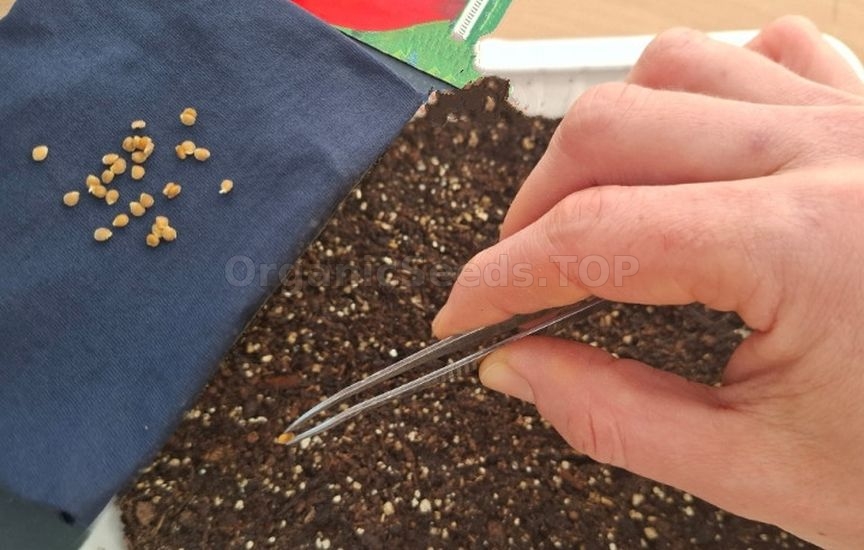 Tomato seeds can be sown in common containers, trays or immediately in separate pots or cups. But since tomato seedlings tolerate picking well, sowing in common containers is most often used. When sowing, tomato seeds are laid on well-moistened soil in rows according to the scheme 3×4 cm, and then covered with loose sifted soil (layer thickness – about 10 mm). Do not thicken the crops, as the seedlings will shade each other and stretch. Therefore, it is better to sow fewer seeds in the container, but grow strong and healthy seedlings. Temperature regime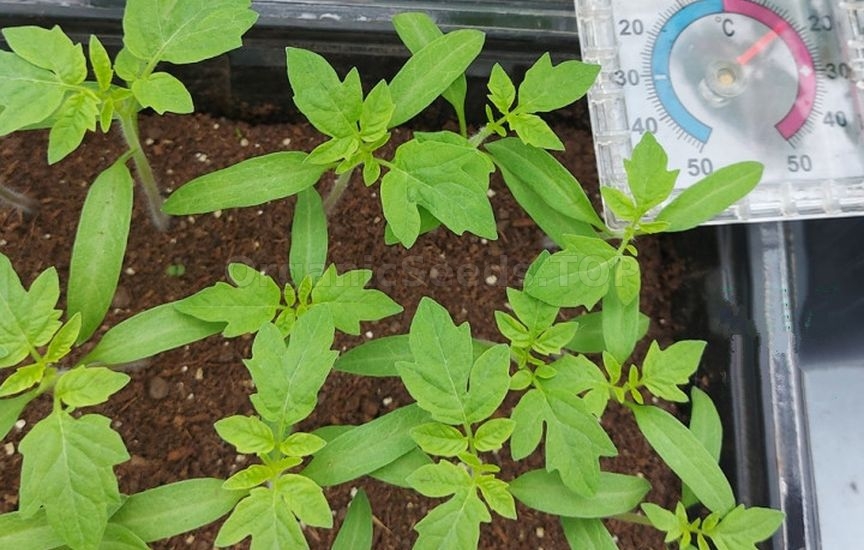 Throughout the entire period of growing tomato seedlings, you should monitor the air temperature. Tomato seeds germinate at a temperature of 24–26°C on the fourth–fifth day. Therefore, after sowing, place the containers in a warm place. To prevent the soil from drying out, the planting containers can be covered with a lid or film with holes, since germinating seeds need air. As soon as sprouts appear, move the containers with seedlings to a cooler and well-lit place, where the temperature is 14–16°C – this will help prevent the seedlings from stretching. After a week, the temperature should be increased to 18–19°C in cloudy weather and 20–22°C in sunny weather. At night, the temperature should be 17–18°C. It is necessary to monitor the air temperature at the level where the containers with seedlings stand. The thermometer should be placed in a place protected from the sun right next to the boxes and pots with crops. Approximately two weeks before planting tomatoes in the ground, the air temperature is again recommended to be lowered by several degrees: for this, during the day and at night you can open the windows. A week before transplanting, the seedlings should be briefly taken outside to a place protected from the wind to gradually accustom them to new conditions. Seedling picking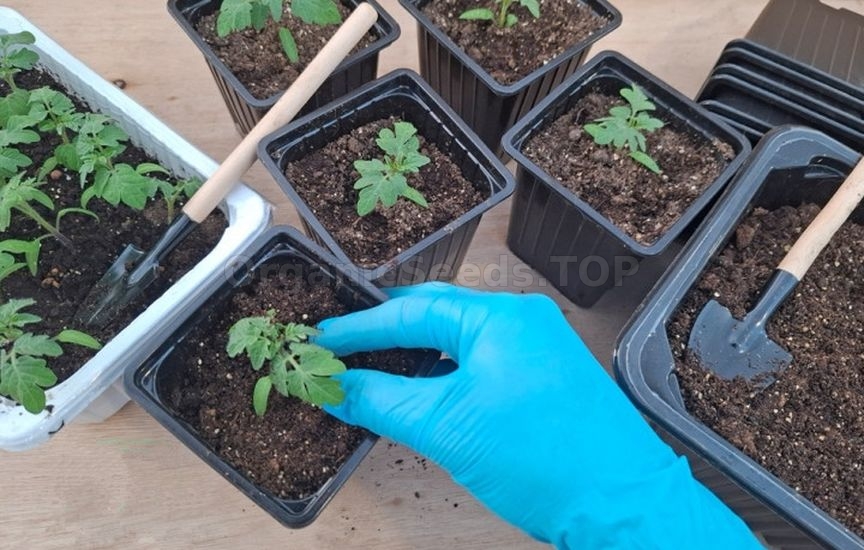 Seedlings that grow in common containers, "snails" or small trays should be transplanted into separate pots as soon as the seedlings have true leaves. The less densely the seeds were sown, the longer the seedlings can grow in common containers. But do not delay picking, as the seedlings compete for nutrients and light. Their roots intertwine, and the stems become thinner. To transplant tomato seedlings, you need to prepare pots or cups with a volume of 400–500 ml, as well as nutritious peat soil, which includes organic and mineral fertilizers. But before starting picking, the soil must be treated with a solution of a biofungicide to create a favorable microflora for the plants. When removing seedlings from the container, try not to disturb the soil clod surrounding the roots. If the main root is very long, it can be shortened by one third. Tomatoes tolerate picking well and quickly grow new roots. After picking, the seedlings should be protected from direct sunlight for two to three days. Watering and feeding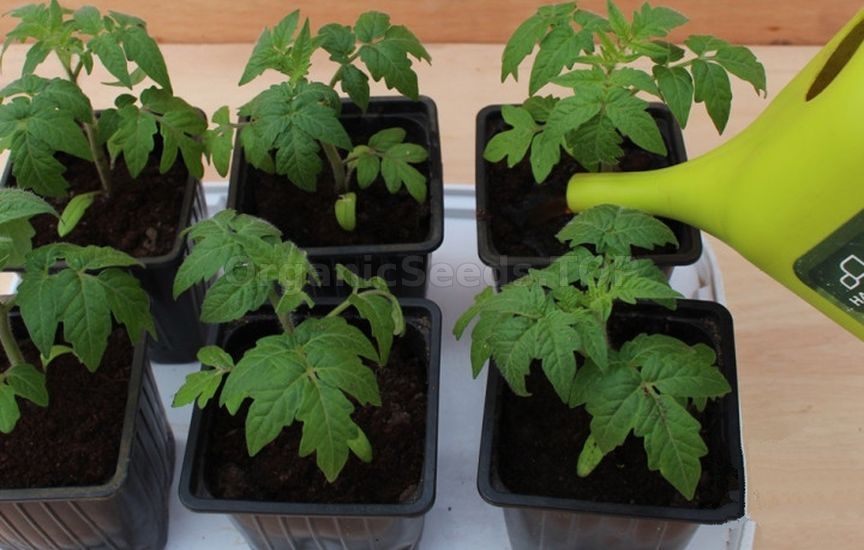 Water the seedlings as the top layer of soil dries, avoiding waterlogging and drying out of the entire root layer. Overwatering is just as dangerous for seedlings as insufficient watering, especially at the initial stage of plant vegetation. In hot sunny weather, water the seedlings more often, in cloudy days reduce watering to a minimum. The optimal water temperature for watering should be 22–24°C, that is, 1–2°C higher than room temperature. For feeding tomato seedlings, you can use complex water-soluble fertilizers. With regular use of complex organomineral fertilizers, seedlings develop faster, build a powerful root system, tolerate transplantation well, and become more resistant to diseases and various adverse environmental factors. When watering, make sure that the soil is moistened throughout the container, not just on top. If the seedlings are planted in individual pots, then after each watering it is advisable to loosen the top layer of soil to prevent crust formation and maintain soil air permeability. The first feeding of tomato seedlings can be carried out at the stage of 2–4 true leaves or 10 days after picking. The next feeding can be given 10–12 days after the first, and in the future the seedlings should be fed every 10 days. You may need:Tomato seedsFlower seedsOrganic fertilizers |
|
|
Similar Articles:
| Total comments: 1 | |
 0
0