
How to plant and grow pampas grass by seedling method to decorate your garden |
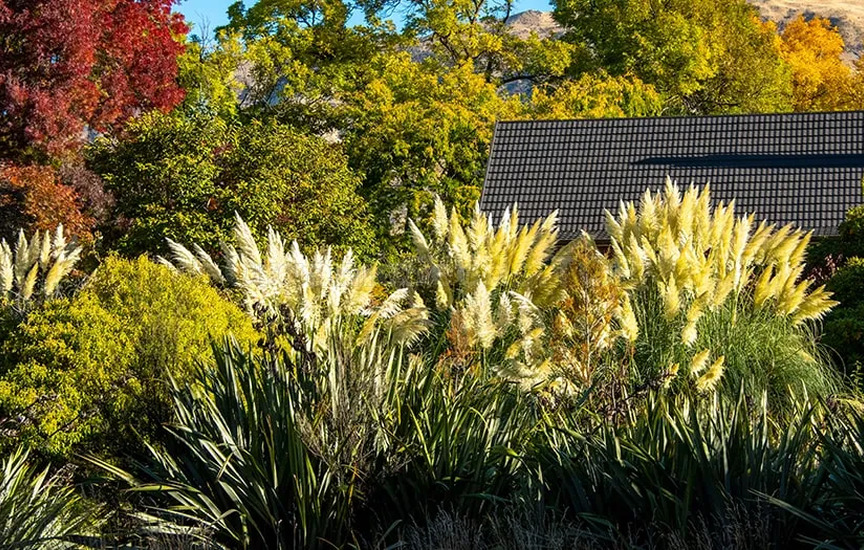
Pampas grass (Cortaderia selloana) is considered the queen of grasses. This powerful ornamental grass is most often grown as a decorative plant, though sometimes it is used as fodder for livestock. The tall shoots of Cortaderia serve all summer as a beautiful backdrop for other plants or can act as a living screen, hiding unattractive spots. It will adorn and transform any plot. To accelerate growth, pampas grass is often cultivated through seedlings.
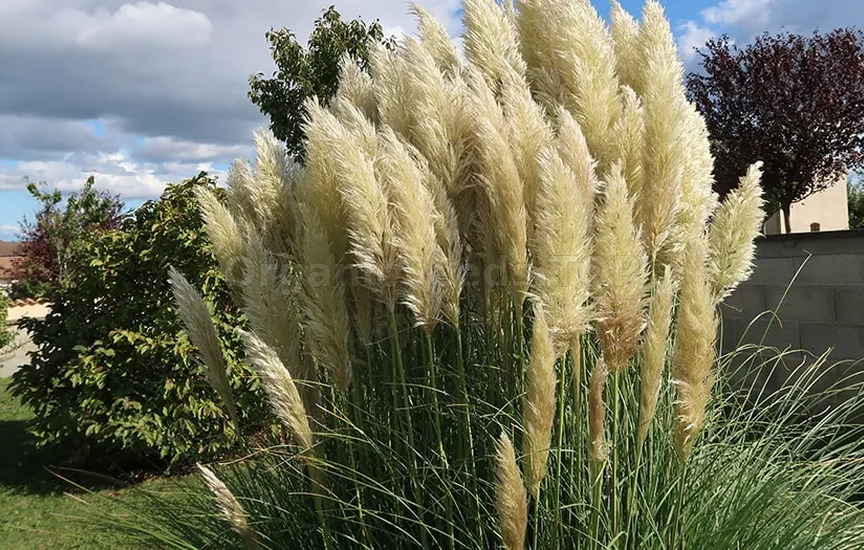
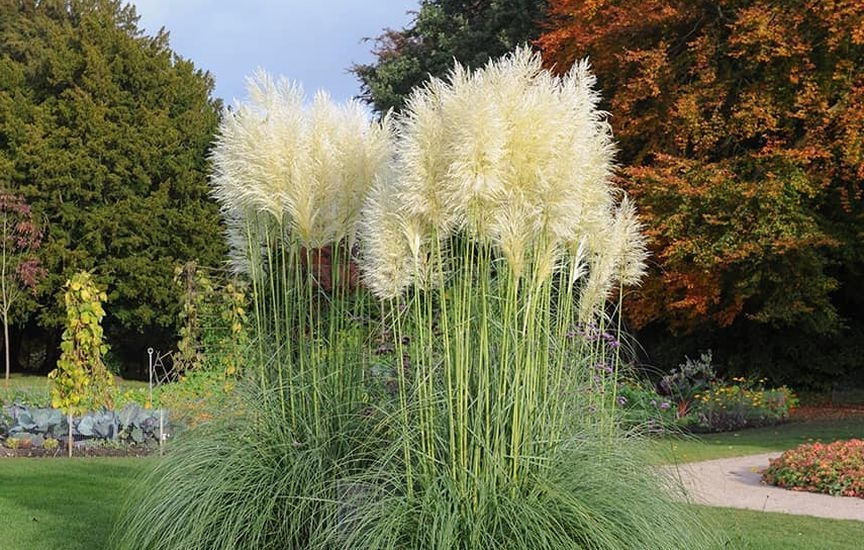 Pampas grass is a species of grass native to South America, where it grows abundantly as a weed. In its homeland, the vast steppes where this grass and other grasses thrive are called pampas — hence the name. It is a perennial plant with a highly decorative appearance, which is why pampas grass is widely used in landscape design. Its main highlight is the fluffy panicles, which can be colored in various shades. In some varieties, the inflorescences can reach up to one meter in length. In our climate, a mature plant grows 2–3 meters tall and just as wide. Pampas grass has male and female plants. Female flowers are more spectacular, while male ones are less showy. Blooming lasts from August to October. When growing pampas grass from seed, keep in mind:
 Preparing the seedsSeeds can be purchased or collected yourself (only in southern regions). They are small and light. Freshly harvested seeds must be dried before storage.
When buying seeds, pay attention to the harvest year indicated on the packet. Germination decreases over time. The packet should be dry, intact, and fresh. The newer the seeds, the better the chance of germination. Before sowing, seeds must be stratified for 1–2 months at 0 to +4 °C. In nature, this happens during winter; at home, you can imitate the process in a refrigerator. Stratification means keeping seeds under a moist layer at a set temperature. The vegetable drawer of a fridge is convenient for this. Before sowing, soak seeds for 15 minutes in a weak solution of potassium permanganate or “Fitosporin,” then rinse in running water. 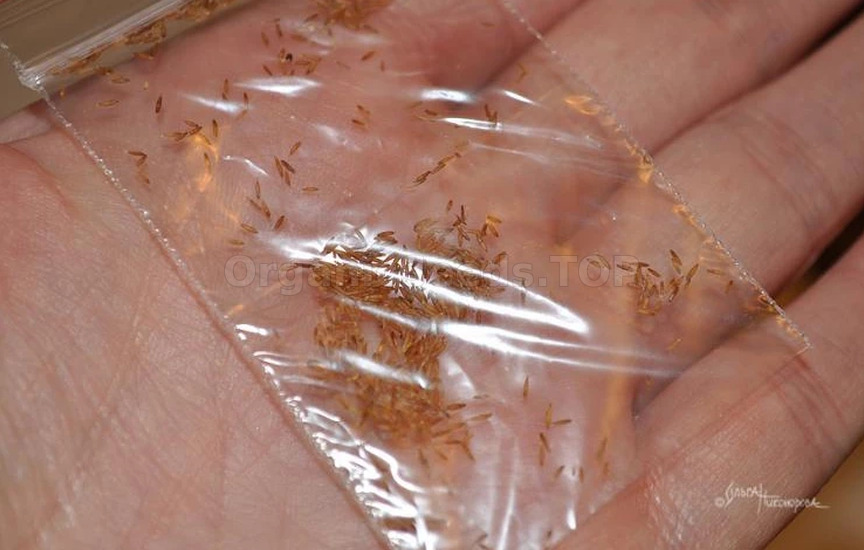 Sowing pampas grass (Cortaderia) seeds in 9 stepsThe sowing algorithm is the same for all varieties:
You can also sow in peat tablets, placing several seeds in each. Once they sprout, keep only the strongest seedlings. Germination occurs in 12–20 days at +20…+23 °C.
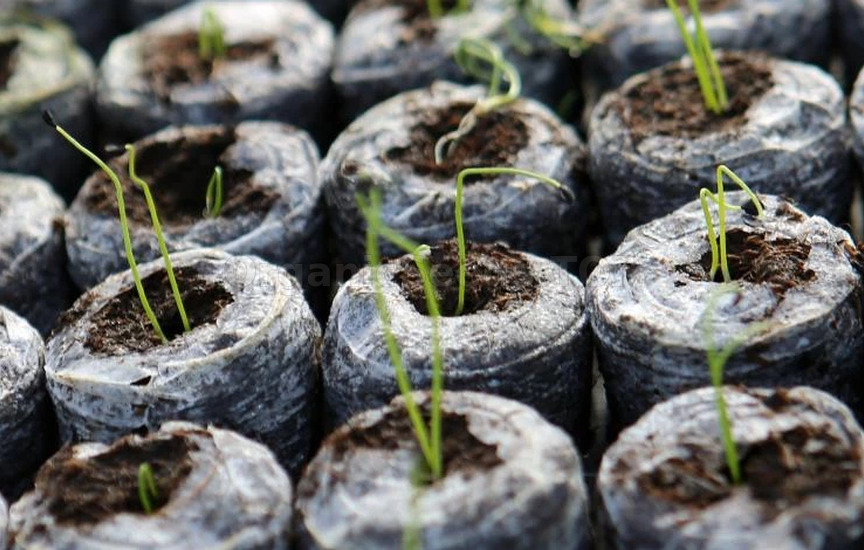 Growing pampas grass seedlings at homeVentilate daily. When sprouts appear, gradually increase ventilation time, and after 3–5 days remove the cover completely.
Moisten soil as needed with a spray bottle. Do not let it dry out, but avoid overwatering. Pampas grass dislikes excess moisture. Pricking outWhen seedlings have 3–4 true leaves, transplant them into larger pots (at least 10 cm in diameter). After transplanting, keep them in bright but diffused light for several days.
Once seedlings recover, place them on the sunniest windowsill. A week after transplanting, apply the first liquid fertilizer. Use universal flower fertilizers or homemade solutions. Feed every 7–10 days, always slightly reducing the recommended dosage. Diseases and pestsPampas grass rarely suffers from diseases. Its main enemies are high humidity and low temperatures. If such conditions cause disease, treatment is usually pointless. Remove damaged parts completely, replace soil, and water with fungicide. Pampas grass has no significant pests.
7 tips for caring for pampas grassCare is simple; pampas grass adapts quickly to different conditions:
 Now you know how to sow pampas grass and care for it in open ground, so you can easily grow it on your plot. You may need:Pampass grassFlower seedsOrganic fertilizers |
|
|