
What to sow in vacant garden beds in late September |
Autumn, after the harvest has been gathered, garden beds do not necessarily have to be left empty (and it is highly undesirable to do so!). Weeds will immediately take over. To prevent weeds from getting a chance, the vacant areas should be sown with useful crops.
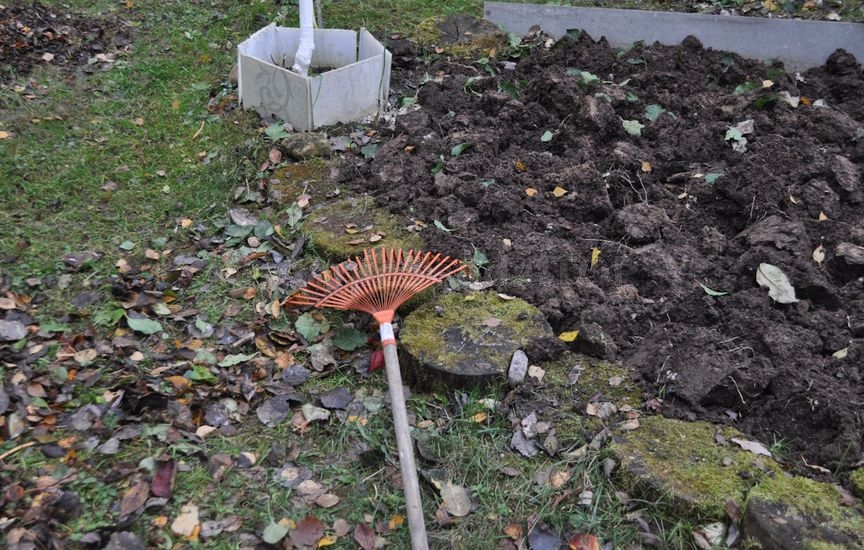 There are three main directions for autumn sowing. In the first case, the gardener wants to grow another crop on the vacant beds during the same season. This is quite possible if fast-growing leafy crops are sown. In the second case, the goal is different – to obtain a very early harvest the following spring. This involves sowing root crops, leafy greens, and some other cold-hardy crops. Winter sowing of vegetables makes it possible to obtain a harvest two to three weeks earlier than usual and, importantly, to save valuable time in spring, when there is a critical shortage of it. Finally, the third option is not to leave the bed empty, to protect the soil from nutrient leaching and weed growth, and to improve its structure and fertility. Cover crops can help with this. Fast-growing crops for a second harvest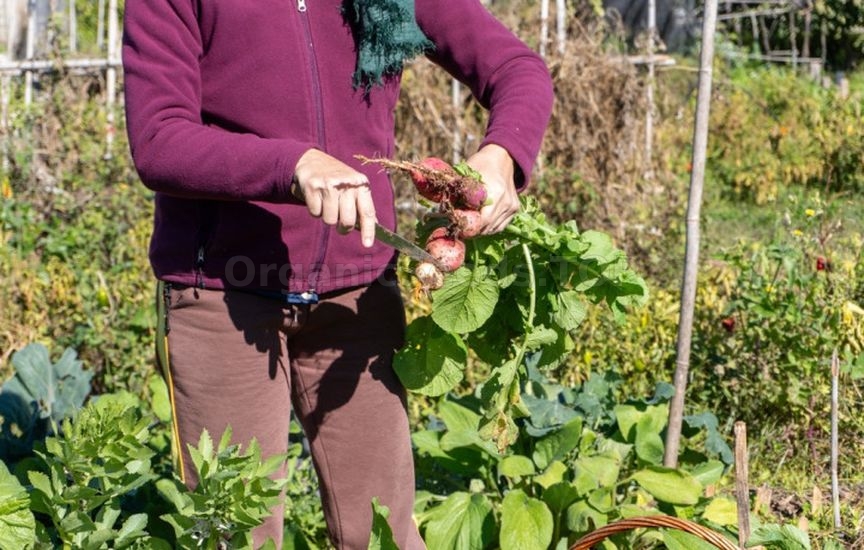 Although the sun is no longer as warm as in summer and the nights are becoming cool, the end of September is no reason to give up fresh vitamins. There are quite a few fast-growing crops that are well suited to short daylight hours and abundant moisture. Radish is a symbol of the beginning of the gardening season. However, it can also become its final chord. This is because it is a short-day crop. When sown at the end of September, radish is less likely to bolt, as often happens with summer sowings, and the roots will grow juicy and tender, without bitterness. Another important advantage is that autumn radish is hardly affected by flea beetles, as these pests have already gone into winter dormancy by the end of the month. The only important condition is to choose the earliest-maturing varieties for autumn cultivation, with a ripening period of eighteen to twenty-five days: 18 Days, Zhara, French Breakfast, etc. To speed up germination, the bed can be covered with lightweight nonwoven fabric after sowing. Vacant beds can also be sown with rocket seeds in September. It develops quickly and can tolerate short-term frosts at soil level, which makes it an ideal crop for autumn sowing. In autumn, it is better to choose sunny locations for it, as the flavor of the greens deteriorates in the shade. The spicy leaves will be ready for harvesting just two to three weeks after the first seedlings emerge. Autumn coolness benefits them: the flavor becomes milder, and the excessive pungency that often develops during the hot summer months disappears. Spinach, lettuce, and garden cress are other favorites of the waning season. Spinach tolerates cold very well, and its seeds germinate at temperatures as low as 4°C. Even if the rosettes do not have time to fully develop, the young greens can still be used for food. Most lettuces need only 10–17°C to mature. Under such conditions, the earliest-maturing varieties ripen in just a month. Garden cress breaks all records for growth speed. The greens can be harvested just 12–17 days after sowing, adding them to autumn salads together with other crops. Cover crops for improving soil health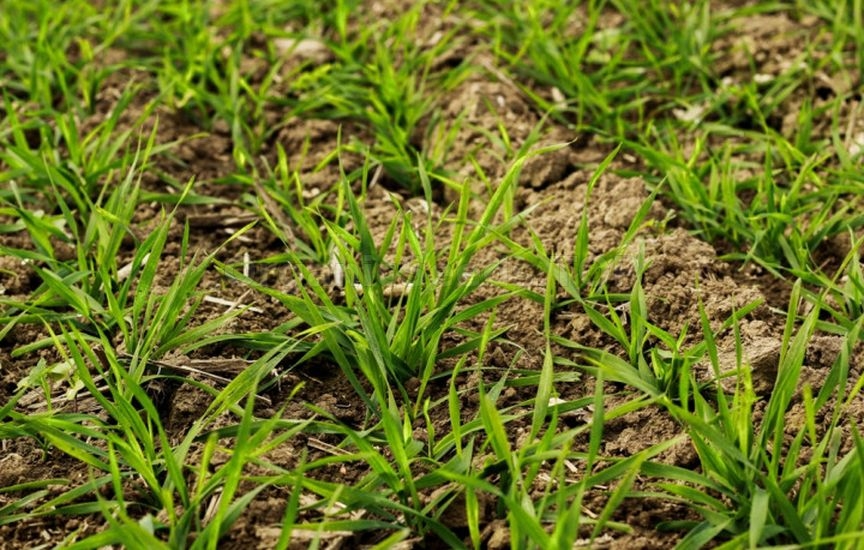 If the harvest has already been gathered from the beds and you do not plan to use them until spring, the areas left vacant after tomatoes, cucumbers, onions, and potatoes can be sown with cover crops. These are plants grown not for harvest, but to improve the soil, replenish organic matter, and protect the soil surface from erosion and weeds. The end of September imposes some restrictions on the choice of green manures. During this period, it is better to give preference to winter and cold-hardy crops that will have time to germinate and establish roots before persistent cold weather arrives. Warm-season crops and plants that require a long warm period to produce sufficient green mass are no longer suitable for late autumn sowing. For the end of September, winter rye and some mixtures with winter crops are the most suitable options. Winter rye is sown in autumn and left to grow until spring: it tolerates winter well and continues producing green mass in spring. Other cover crops, such as white mustard, phacelia, and oats, may not have enough time to produce sufficient green mass when sown at the end of September, so they are better sown earlier. The possibility of late sowing of these crops depends greatly on the region, temperature, and soil moisture. Winter rye is one of the most suitable autumn cover crops for late sowing. As a cover crop, it can be sown until the end of September. The plant develops a powerful root system, helps loosen and improve soil structure, enriches it with organic matter, and helps protect the soil surface from erosion and nutrient leaching. In addition, the dense rye stand competes well with weeds. In spring, as soon as the snow melts and the plants begin to grow, the rye can be mown and incorporated into the soil. It is best to do this in advance, before planting the main crops, so that the plant residues have time to begin decomposing. Winter vetch can be used in mixtures with cereal crops, although for sowing at the very end of September it is less reliable than winter rye. Vetch is a legume and is capable of fixing atmospheric nitrogen with the help of root nodule bacteria, so after the plant residues decompose, some of the nitrogen becomes available to subsequent crops. In mixtures with cereals, vetch helps produce a more diverse plant mass and improve the composition of the green manure. White mustard sown at the end of September may have time to germinate and produce a small amount of green mass if autumn is sufficiently warm and moist, but it should not be expected to develop fully. With earlier sowing, mustard develops much better. It quickly forms plant cover, competes with weeds, improves the structure of the topsoil, and the biologically active compounds it contains have a phytosanitary effect. In particular, white mustard is used in crop rotation to reduce the spread of some soil-borne pathogens. If the plants are killed by frost, their remains can be left on the surface as a protective layer or incorporated into the soil. Winter sowing of vegetables and greens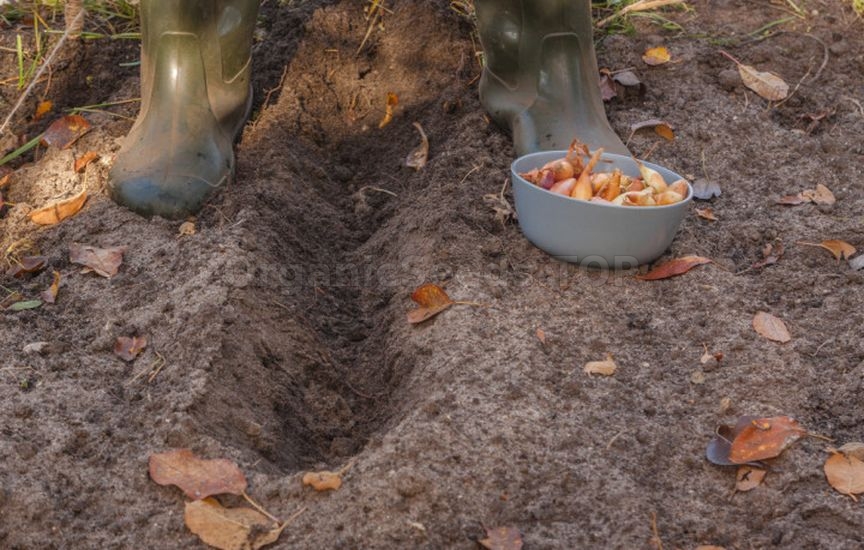 Winter sowing is a special growing method whose purpose is not to obtain autumn seedlings, but to allow the seeds to overwinter in the soil. They undergo natural stratification, become hardened, and begin growing in spring with the first warming, efficiently using the reserves of winter moisture. This type of sowing should be carried out in late autumn, when consistently cool weather has set in and the soil begins to freeze slightly. If the seeds are sown too early, they may germinate before winter arrives, and the emerging seedlings may be killed by frost. Therefore, at the end of September – beginning of October, the beds are usually only prepared and the furrows made, while the actual sowing is carried out later. For winter sowing, carrots, beets, radishes, onions, garlic, and some leafy crops can be used. Carrots sown before winter mature significantly earlier than spring-sown carrots, although such roots are generally not intended for long-term storage. For autumn sowing, choose cold-hardy and bolt-resistant varieties. Seeds are sown dry, increasing the seeding rate by approximately one quarter, since only the strongest plants will survive the winter selection. For carrots, it is especially important to choose level areas without stagnant water. On slopes, seeds can be washed away by melting water, while in low-lying areas they can suffer from excessive moisture. Beets are also well suited to winter sowing. The main thing is to choose varieties resistant to bolting. The sowing method is similar to that used for carrots: dry seeds are sown in prepared furrows after persistent cold weather has set in. The early harvest of such beets is well suited for summer consumption, while varieties sown in spring are better for long-term storage. Dill, parsley, and coriander sown before winter produce friendly seedlings immediately after the snow melts. The essential oils contained in the seeds of these crops are partially washed out of the seed coats during winter, which promotes faster germination in spring. As a result, fresh greens can be obtained significantly earlier than with spring sowing. Winter garlic and onion sets are traditionally planted in autumn. In most regions of Ukraine, October is considered the optimal time for planting winter garlic. The cloves need about three to four weeks to establish roots before persistent frosts arrive. During this time, the root system should develop, but green leaves should not appear. Small onion sets less than 1 cm in diameter are usually planted one to two weeks later than garlic because they root faster and may sprout prematurely during prolonged warm weather. Therefore, planting should not be rushed. Usually, gardeners wait until daytime temperatures fall to 5–7°C and prolonged warming is no longer expected. Onions planted in autumn are usually less affected by onion flies and often form larger bulbs. Rules for autumn sowing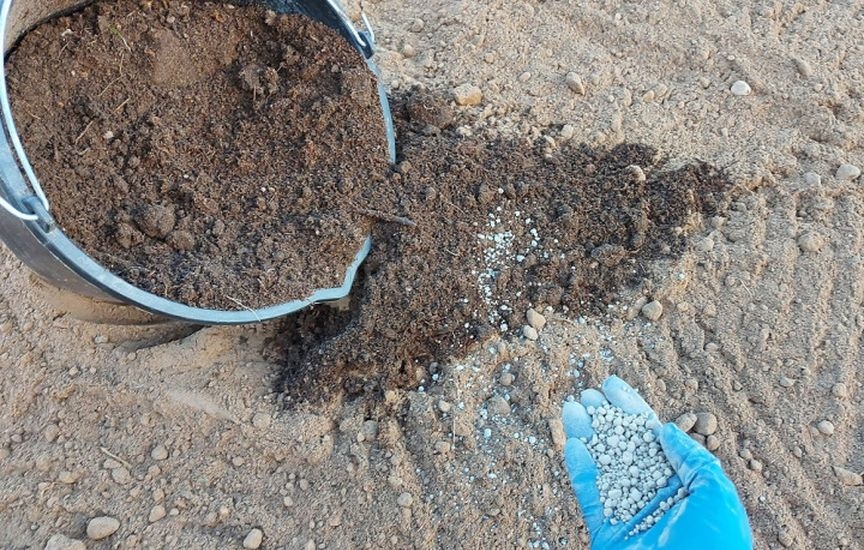 Autumn preparation for new sowing begins immediately after the previous crop has been harvested. First, the beds should be completely cleared of plant residues, especially tomato, potato, and cucumber foliage, which often contains spores of pathogenic fungi. The soil is cleared of weeds and then loosened or dug over. For crops that need to grow and mature this autumn (radishes, lettuce), the soil is loosened to a shallow depth, a small amount of mature compost is added, and the bed is thoroughly watered. The soil still retains summer warmth, so seedlings will emerge quickly. If the weather is dry, regular watering is essential; otherwise, the seeds will remain dormant. For winter sowing, the bed is prepared differently. The soil is deeply dug and supplied with phosphorus-potassium fertilizers (there is little point in applying nitrogen in autumn, as it will be leached away by rain by spring). In slightly acidic soil, wood ash is used instead of mineral fertilizers (150–200 grams per 1 sq. m). Then straight furrows about 3 cm deep are made in the surface. The bed is covered with black agricultural fabric and left in this condition until cold weather arrives. While onions and winter garlic are planted well before frost, the sowing of leafy crops, carrots, and beets begins when light night frosts start and the daytime temperature drops to 3–4°C. Seeds can also be sown into frozen soil. In this case, dry soil should be prepared in advance for covering the seeds: mix garden soil with sand and deacidified peat and leave the soil mixture in a warm shed or on a veranda. After winter sowing, it is advisable to mulch the beds with hay or well-rotted sawdust, or cover them with spruce branches. This will help retain moisture in the soil, protect the soil from wind erosion, and maintain a stable temperature in the root zone. In spring, the spruce branches should be removed, while the mulch can be moved into the paths between the rows so that the seedlings emerge more quickly. A bed that has become vacant at the end of September should not be left empty until spring. It is better to use it for sowing fast-growing greens, cover crops, or vegetables that will reward you with an early harvest in spring. Such use of the available plot of land will bring more benefit than allowing weeds to grow there, as they will inevitably occupy unused space. You may need:Vegetable seedsGreen manureOrganic fertilizers |
|
|