
Annuals or perennials: what to choose |
The choice between annual and perennial plants is one of the questions that almost every novice gardener asks himself. Each option has its own advantages and features, and the ideal garden often represents a harmonious combination of plants of both types.
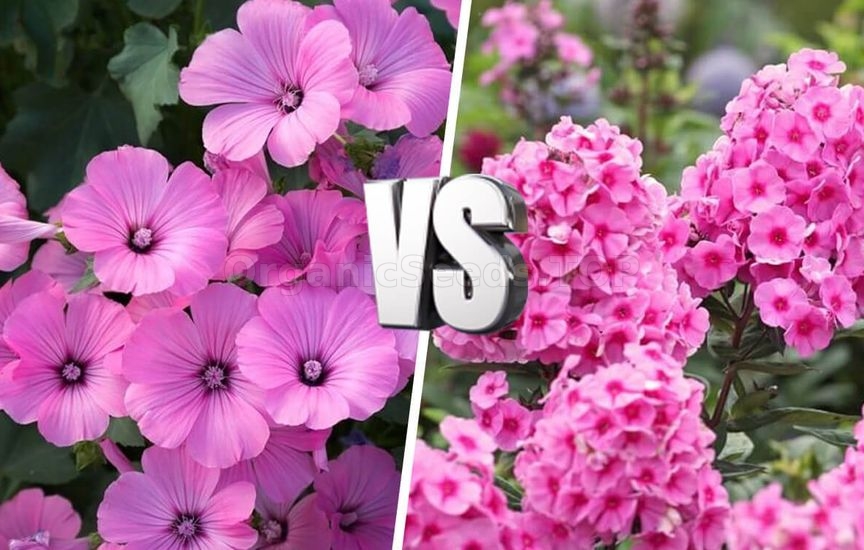 What is whatAnnuals are plants that go through a full life cycle in one season: from sowing seeds to flowering, seed ripening and dying. Annuals include such popular flowers as marigolds, nasturtium, aster, cosmos, calendula and many others.
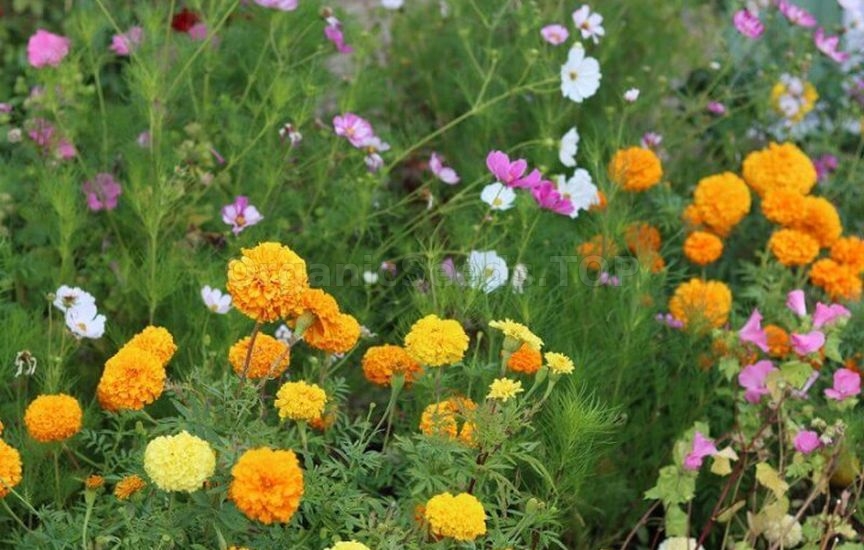 Some flower crops that are grown as annuals in the middle lane are actually perennial plants (for example, ageratum, eschscholzia, petunia, Shabo carnation, heliotrope, lobelia, celosia, zinnia, eustoma, etc.), but in our climate they cannot overwinter. 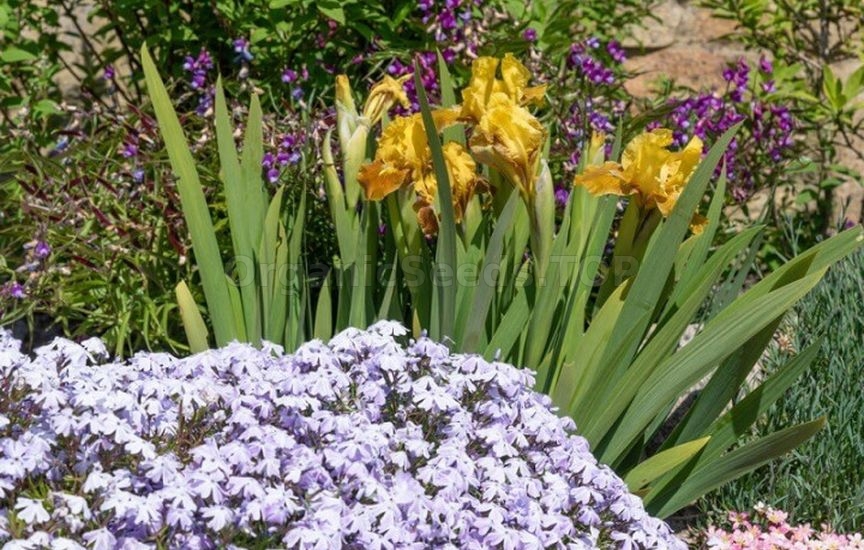 Perennials are plants that live more than two years, and most often – many years. The above-ground part of such crops may die off in winter, but the root system is preserved. In our latitudes, such perennials as peony, hosta, daylily, phlox, iris, oxeye daisy, catnip, etc. are common. That is, annuals delight us for only one season, while perennial plants – for a much longer period. At first glance, the choice in favor of perennials may seem obvious: plant once and enjoy the beauty for years. But it’s not that simple. Advantages and disadvantages of annual flowers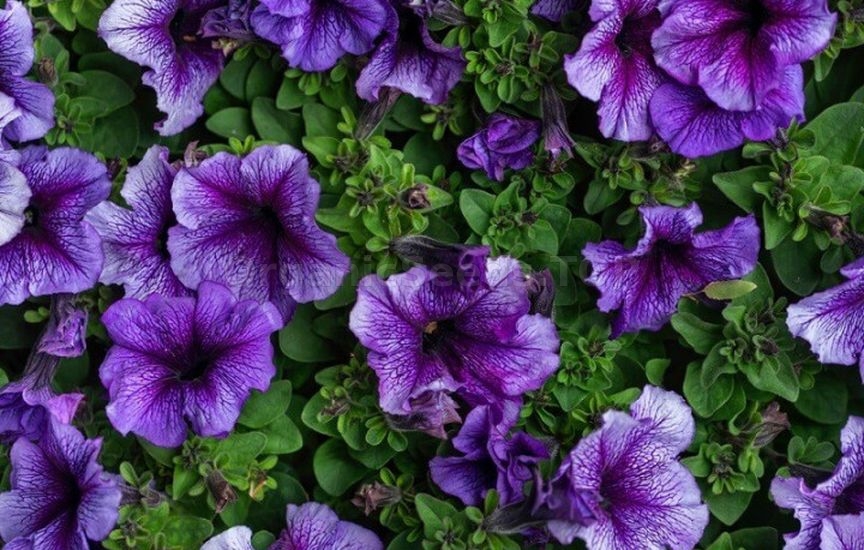 Annuals are distinguished by bright and long flowering. Many of them bloom all summer without interruption! In addition, the result of labor is visible almost immediately: full-fledged flowering plants are formed from seeds in one season. And annuals will also allow you to boldly experiment with color in the garden, with their help you can change the color scheme and compositions every year. Just imagine: every new season your plot will look completely different! And even if you have finally and irrevocably decided that you will bet on perennials, it is difficult to do without annual flowers in a young garden: they are ideal for filling voids while perennials grow. The only disadvantage of annuals is obvious – every year you will have to repeat the entire growing cycle from scratch. Surprisingly, many growers see this as a plus. If you enjoy fussing with seeds or flower seedlings, if you can’t wait to start some gardening work even in winter – be sure to buy a few packets of annual seeds. Choose annuals if:
Advantages and disadvantages of perennial flowers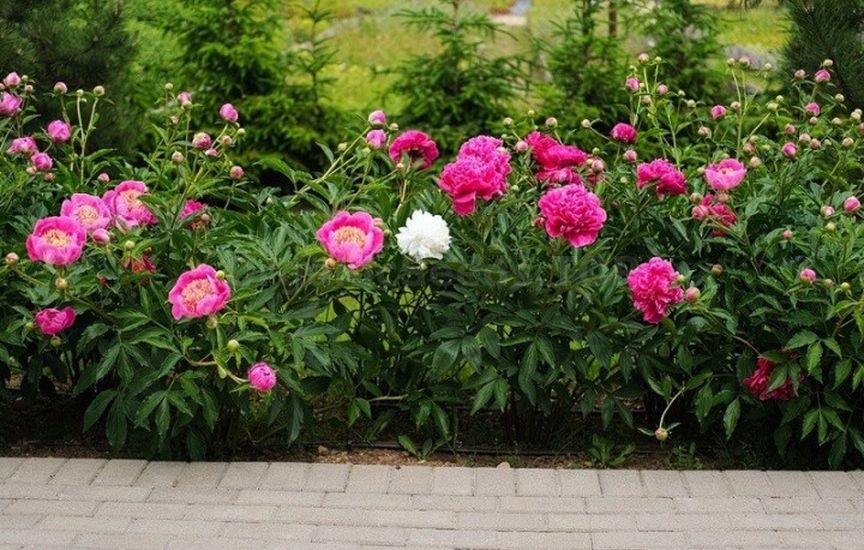 Perennial flowers save your time and budget. Plant once – and admire for years. Such stability also creates a permanent structure of the garden, you do not need to draw schemes every year, and then bring the drawn to life. Most perennials tolerate drought more easily due to their developed root system. An important bonus is reproduction by division. You can easily expand your plantings for free, identical flowers make wonderful compositions. In extreme cases, good planting material can always be exchanged for other plants. The disadvantages of perennial flowers are better called small minuses. These include a shorter flowering period (for most), slow growth (in the first seasons you may not always see flowering), some need division and rejuvenation in order to remain attractive. The short flowering period of perennials is often compensated by attractive foliage. Choose perennials if:
The golden mean: combination strategy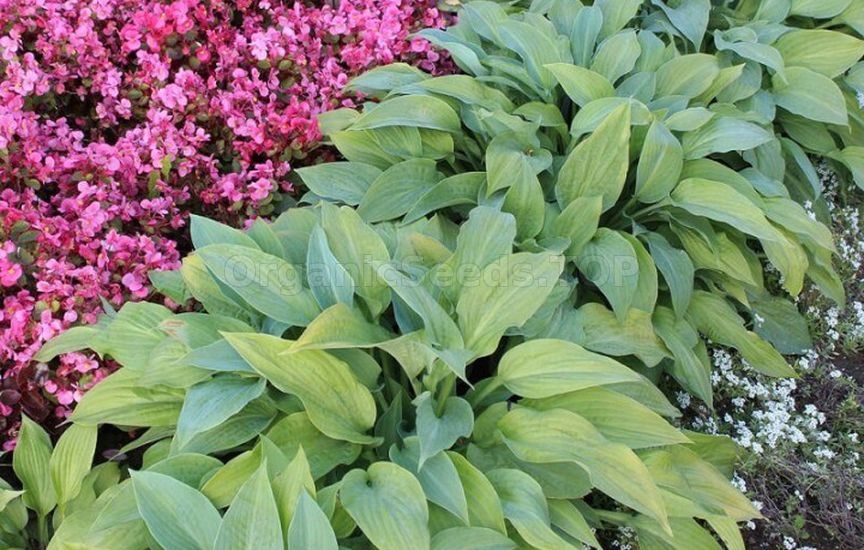 Experienced gardeners most often use plants of both types: perennials are taken as a basis, with their help they create structure, background, set the style, and annuals are used as accents, with the help of which you can add brightness and fill pauses in the flowering of perennials. Also, thanks to planting annuals, you can update the appearance of the garden every year without radical changes. Special cases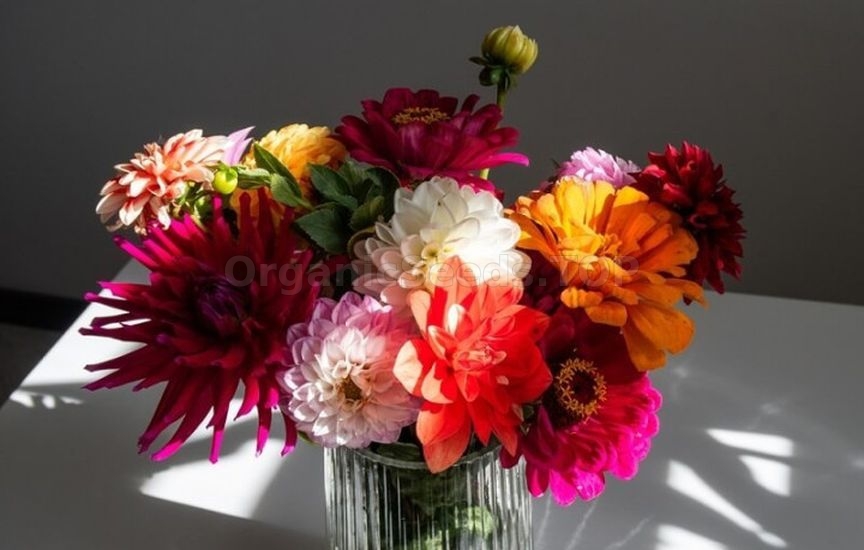 For balconies and containers, annuals are more often chosen, as they adapt better to limited space and provide continuous flowering. For a "lazy" garden, it is better to prefer perennials, especially local, adapted species that require minimal care. If you want to admire flowers not only in the flower bed, but also in bouquets, choose annuals of appropriate varieties (zinnias, cosmos, asters, snapdragons, cornflowers), which bloom profusely and renew themselves. Perennials are also suitable for cutting – peonies, phlox, monarda, chrysanthemum, etc. There is no universal answer to the question "which is better". The ideal choice depends on your goals, the amount of time you are willing to devote to the garden, climatic conditions and aesthetic preferences. Beginners can be advised to start with unpretentious annuals for quick results and motivation, gradually adding perennials. Experienced gardeners should strive for a balanced combination, where perennials form the "backbone" of the garden, and annuals add dynamics and freshness. Remember, the most beautiful garden is the one that brings joy to its owner, regardless of whether annuals, perennials or their harmonious duet prevail in it. You may need:Annuals Flover SeedsPerennials Flover SeedsOrganic fertilizers |
|
|