
When to sow flowers for seedlings: timing for annuals and biennials |
To make your plot bloom in a riot of colors in summer, many flowers need to be grown through seedlings. And success here largely depends on the correct choice of sowing time. The optimal period depends on the characteristics of the plants, the climatic conditions of the region, and your goals.
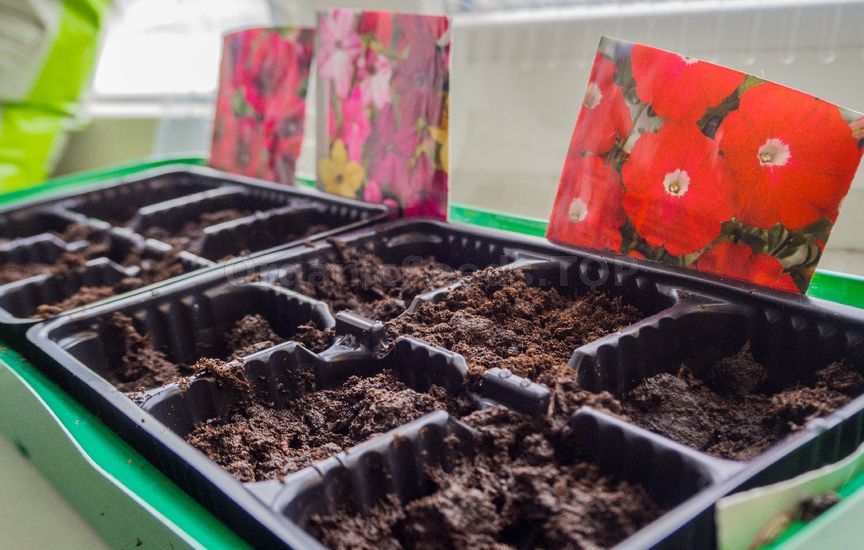 Why it is important to observe the timing of sowing seedlingsObserving the timing of sowing flowers for seedlings is crucial for their development. If sown too early, plants may overgrow, stretch (especially without sufficient lighting), seedlings will become weak and sickly and will take root worse after transplanting into open ground. Late sowing may result in flowers not blooming at all or blooming only at the end of the season, failing to show themselves in full beauty.
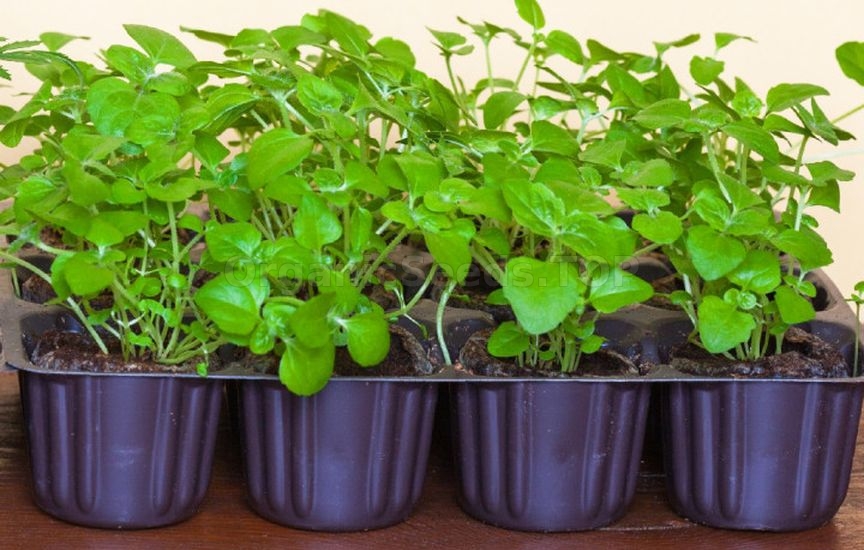 In addition, each crop has its own biological characteristics: some flowers require a long period for development, while others grow and bloom quite quickly. It is the first group that is most often grown through seedlings. Seed producers always indicate information about the duration of the period from sowing to flowering on the package. Conventionally, all flower crops can be divided into those that bloom quickly, within 6–8 weeks, and those that require a long period, up to 20 weeks, of development before budding begins. Timing of sowing popular annuals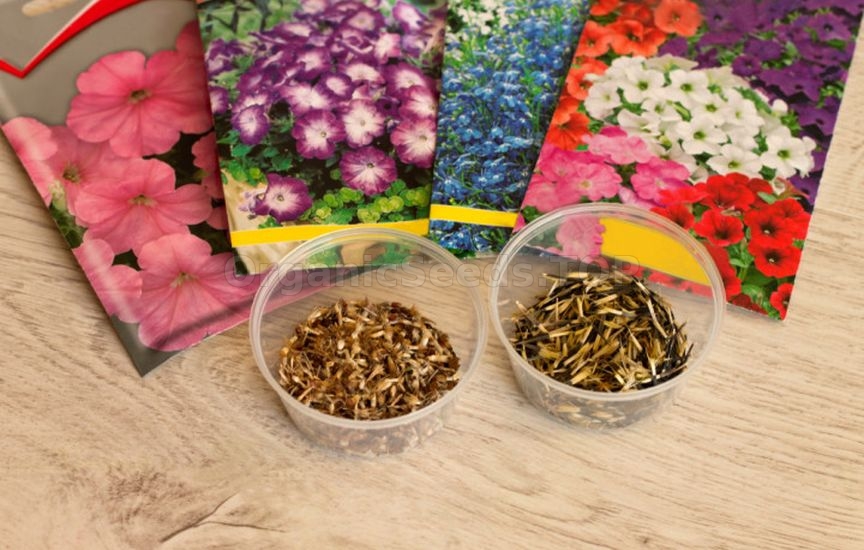 Annuals are plants that go through a full cycle of development in one season, during which they manage to grow, bloom, and produce seeds. They are grown to enjoy bright colors in flower beds, gardens, or balconies. Gardeners value annuals for their lush and long-lasting flowering. The sowing campaign of annual flowers can begin as early as January–February, but this applies only to crops with the longest growing season. Such plants include, for example, ever-blooming begonia. Its tiny seeds require surface sowing already in January, since seedlings develop extremely slowly. Around the same time, eustoma, or Irish rose, is sown. At the end of January or beginning of February, Shabo carnation is sown, famous for its exquisite fragrance and double flowers. February is the optimal time for sowing lobelia, petunia, balsam, heliotrope, and scarlet sage (salvia splendens). March is the most active and massive period for sowing most annuals. In the first half of the month, when the daylight hours are already long enough, snapdragon, verbena, and continued sowing of petunia, lobelia, and scarlet sage are sown. These flowers are relatively slow in development and by the time of planting will have formed a strong bush. In the second half of March comes the turn of faster crops such as ageratum, alyssum, celosia, and aster. They sprout quickly and actively build up green mass with good lighting. Throughout March, Drummond phlox, dolichos, fragrant tobacco, and annual delphinium can be sown for seedlings. April is the month for sowing heat-loving and fast-growing annuals. Marigolds, zinnias, annual dahlias, amaranth, kochia, scabiosa, godetia, nasturtium, helichrysum, and cosmos are sown in early to mid-April. Their seedlings develop rapidly, and early sowing will only lead to overgrown plants that will take root poorly after transplanting. Many of these crops, such as nasturtium and cosmos, can be sown directly into the ground in May, but the seedling method will accelerate flowering by several weeks. Features of sowing biennial flowers for seedlings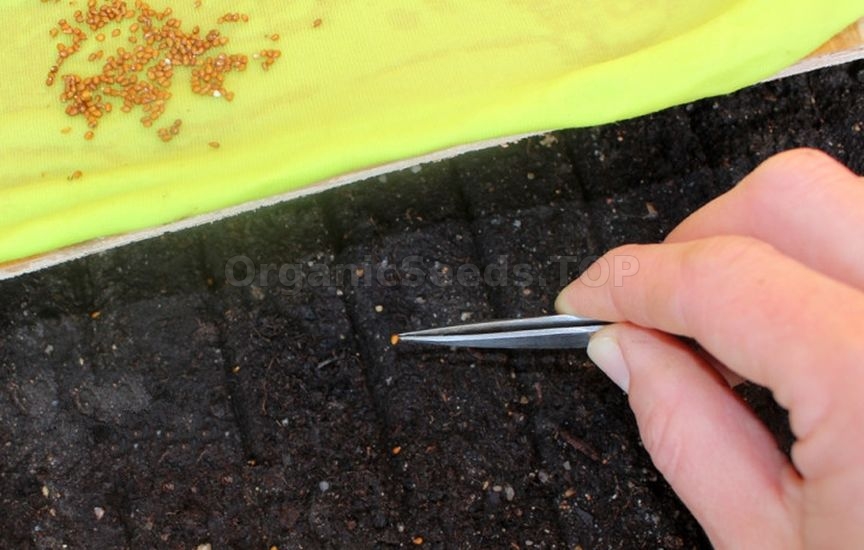 Biennials differ from annual flowers in that they live according to a different rhythm. In the first year after sowing, they form only a rosette of leaves, and flowering occurs only in the second summer. After that, the plant usually dies. This happens, for example, with lunaria, Canterbury bells, and purple foxglove. But there is another group of plants that are also considered biennials, although in fact they are perennials. In these plants, after the second year of cultivation, decorative value sharply decreases, and some bushes die altogether. Such flowers include the gardener’s favorites: sweet William, forget-me-not, Viola Wittrockiana (pansies), daisy, hollyhock, and others. Biennial seeds are most often sown in summer or early autumn so that the plants have time to form a rosette and strengthen before the onset of cold weather. However, if you want to get flowering already in the current season, they can be sown for seedlings in winter or early spring, as is done with annual flowers. 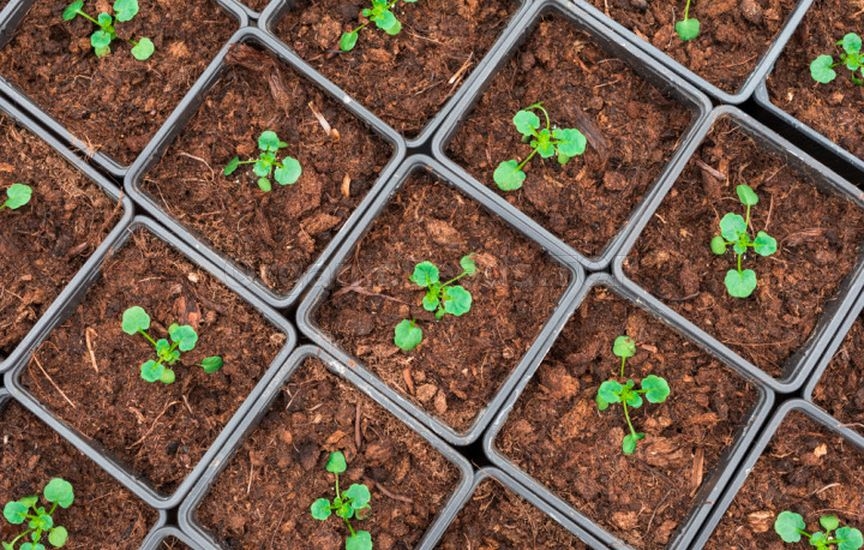 In July–August, Viola Wittrockiana seeds are sown, and in autumn, about a month before the onset of cold weather, seedlings are transplanted into the flower bed. In spring, as soon as the soil warms up, the bushes quickly develop and delight with the first flowers. When sown in February, viola bushes bloom in early summer. In February, biennial evening primrose can also be sown for seedlings to obtain flowering bushes in the first year. When sown in the ground in late spring, evening primrose will bloom only the following year. Forget-me-not can be sown directly into open ground before winter, on the eve of permanent frosts, or already in spring, in May, when warm weather sets in. But if you want forget-me-not to bloom earlier than its natural time, seeds can be sown for seedlings in November–December. In this case, it will bloom in mid-May and coincide with the flowering of tulips and daffodils. Most biennials are sown for seedlings in March:
In early April, it is time to sow dame’s rocket (hesperis) for seedlings.
When sowing biennials for seedlings in late winter–early spring, it is important to remember that you will need more time and effort to care for them. These plants need cool conditions after transplanting to imitate the natural development cycle. For example, daisies develop better at a temperature of about 12–15°C. Secrets of growing flowers through seedlings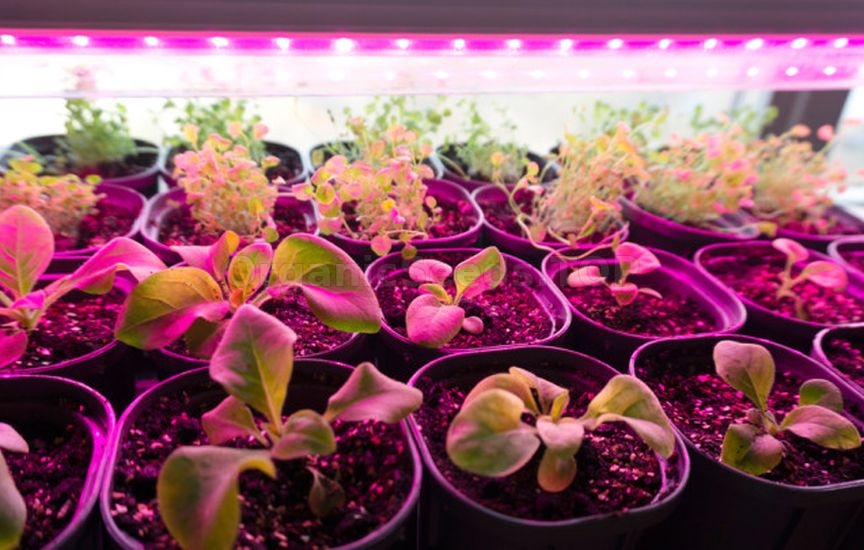 In addition to properly chosen timing, the success of growing annual and biennial flowers through seedlings depends on the conditions you can create. The most critical factor is light. Sowing in January–February necessarily requires supplementary lighting with phytolamps. Without this, seedlings will inevitably stretch and die. Thus, if you have the opportunity to organize full lighting for seedlings and want to plant well-developed bushes in May, you can safely sow seeds in winter, in January–February. However, if for any reason it is not possible to organize additional lighting, it is better to postpone sowing seeds for seedlings to a later period, early spring. These seedlings will bloom a little later than winter ones (and in some cases even simultaneously: for example, petunia sown in early March perfectly catches up with seedlings sown in February), but they will not suffer from lack of light, since in spring the day is already much longer than in winter. Soil quality and containers also play a role. The soil should be light, breathable, and disinfected. For small seeds (lobelia, petunia, begonia), the soil surface is compacted and moistened with a sprayer, leaving the seeds on the surface, slightly pressing them into the moist soil but not covering them. Larger seeds, such as marigolds or nasturtium, are embedded to a depth of about 1–2 cm. After sowing, containers are covered with film or glass to create a greenhouse effect. Temperature and humidity are two other important points to pay attention to. Most flowers germinate at a temperature of 20–25°C. After seedlings appear, the film or glass is removed, and the temperature is gradually reduced so that the plants do not stretch. In addition, it should be remembered that seeds of some flowers need stratification – exposure to cold before sowing. This helps them germinate faster. Sowing flowers for seedlings is a difficult but fascinating process that requires attentiveness and consideration of many nuances. In this case, you will be able to grow healthy and beautiful seedlings that will become a decoration of your garden. You may need:Annuals Flover SeedsPerennials Flover SeedsOrganic fertilizers |
|
|