
Growing raspberries from seeds at home |
Any raspberry bush variety can be propagated by seeds. It is important to take into account the climate and choose the most optimal type. Propagation of remontant raspberry is also possible.
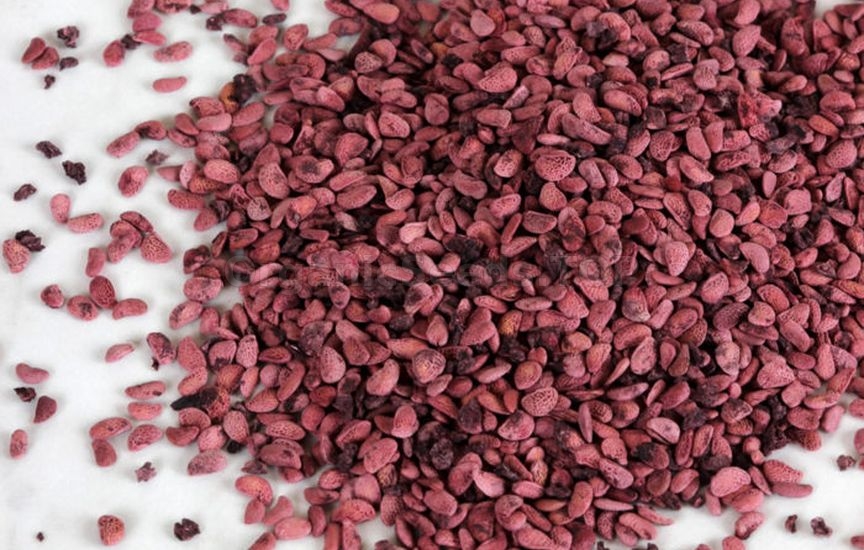 Main conditions for growing seedlings from seeds:
Growing raspberries from seeds at home is a long process (1–2 years until fruiting), requiring seed stratification, sowing in light soil, maintaining moisture, and transplanting. Seeds are best sown in March in a mixture of soil, peat, and sand, deepened by 5 mm, under film. Seedlings need light, warmth (20–25°C), and transplanting into separate pots with root pinching.
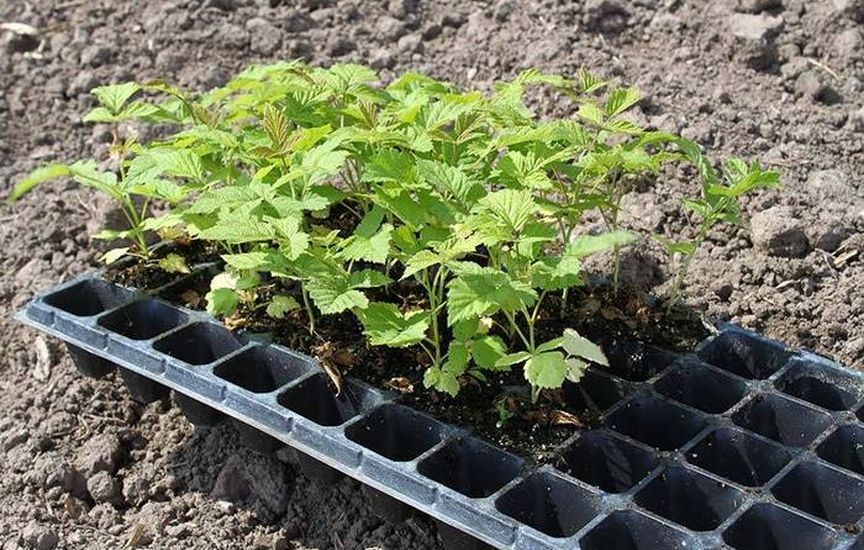 Step‑by‑step instructions for growingPreparation of seeds (stratification):
Sowing seeds:
Seedling care:
Planting in soil:
 Key pointsVariety: When grown from seeds, varietal traits of the parent plant (berry size, taste) may not be preserved; raspberries often become smaller or resemble wild types.
Harvest: A full harvest is usually obtained only in the second year after planting, as in the first year raspberries develop their root system. Watering: Raspberries love moisture, so in hot weather water once a week. This method is best suited for experiments or obtaining new, unique varieties, while for guaranteed harvests it is easier to use cuttings or seedlings. Pros and cons of seed propagation of raspberriesThe main advantage of propagating bushes by seeds is the low cost of the method. It is not always possible to purchase and transport the desired variety, especially if it is rare and grown in another country.
In addition, seeds are stored for a long time, and with a probability of germination of at least half of the packet, the gardener can get 5 full seedlings of the bush. Cons include:
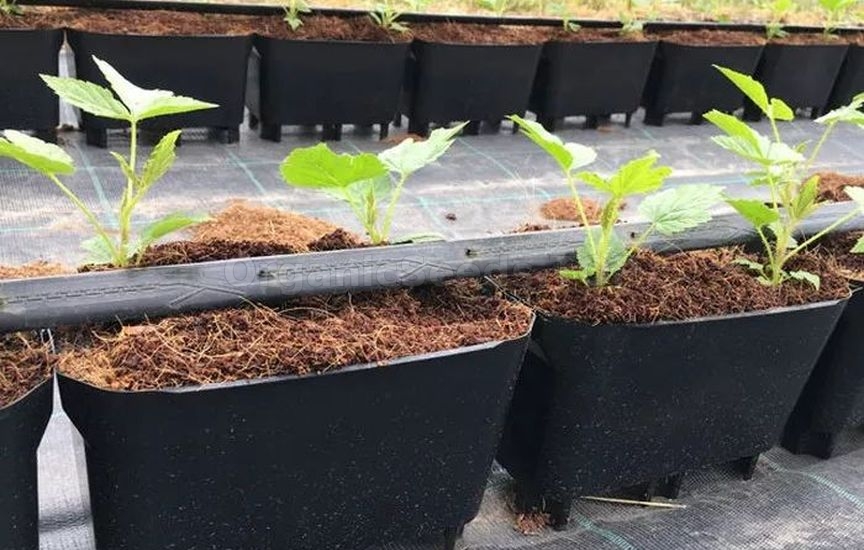 SoilSoil for raspberries should be prepared; the plant feels good in black soil, light loam, and fertilized soil. Future plants need nitrogen and potassium. For this, prepare a mixture of soil, peat, and sand in equal parts. Prepared seeds are sown at a depth of 0.5 cm and covered with soil. Once every 2 weeks it is recommended to fertilize them with a urea solution.
Choosing a placeSeedling pots should be placed on the bright side. They should not be exposed to direct sunlight, otherwise it is more difficult to control soil moisture, and young leaves may quickly burn.
When sowing seedlings outdoors, choose fertile soil with groundwater no higher than 1.5 meters. 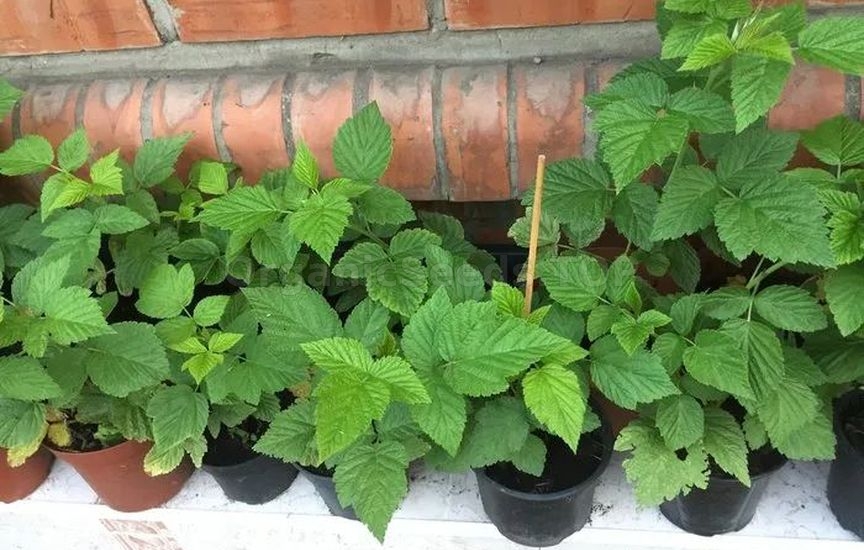 Sowing timeTo obtain seedlings in spring, seeds are germinated from late February until mid‑March.
In autumn, freshly collected seeds can be sown directly outdoors without stratification. Planting is carried out 2–3 weeks before frost. The plot is dug, weeds removed, soil loosened. Seeds are buried 2 cm deep, covered with a mixture of peat and sand, then mulched with composted manure. Water carefully to avoid washing away the soil. Seedling careThe main rules for obtaining raspberry seedlings are regular watering and maintaining optimal air temperature.
Water every 3–4 days, always controlling soil moisture. It should not be too dry or waterlogged. 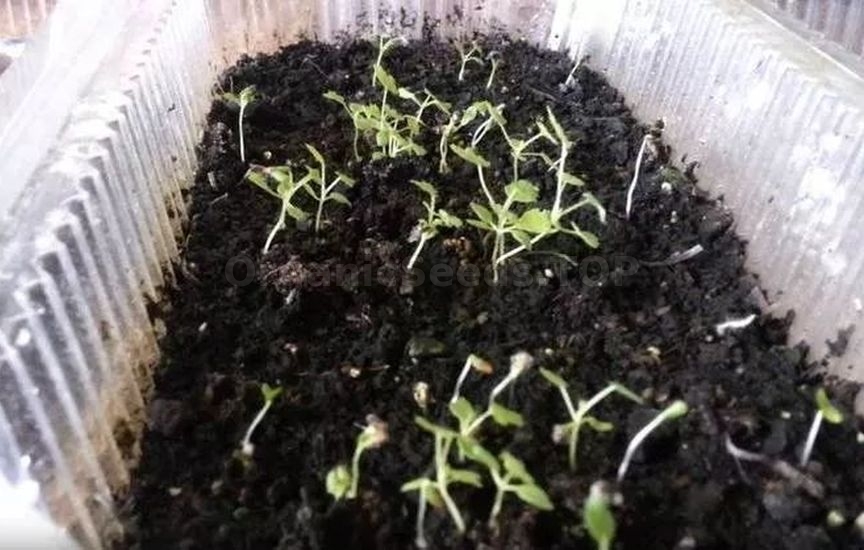 How many days until sprouts appear and what they look likeUnder favorable conditions, sprouts appear in 3–3.5 weeks. To speed up germination, seeds can be treated with a growth stimulator before sowing. Seeds sown in autumn sprout in spring with warmth. First, a stem covered by the seed coat emerges; after shedding it, one or two cotyledon leaves become visible. Seedlings with 2–4 true leaves are transplanted into separate containers. You may need:Raspberry seedsBerry seedsOrganic fertilizers |
|
|