
Planning the plot for the coming year |
It doesn’t matter what exactly you plan to add or change on the plot – for a good result you will have to complete several mandatory steps: conduct a preliminary assessment of the territory, take into account the type of soil and select suitable types of plants, as well as correctly place them in flower beds and garden beds.
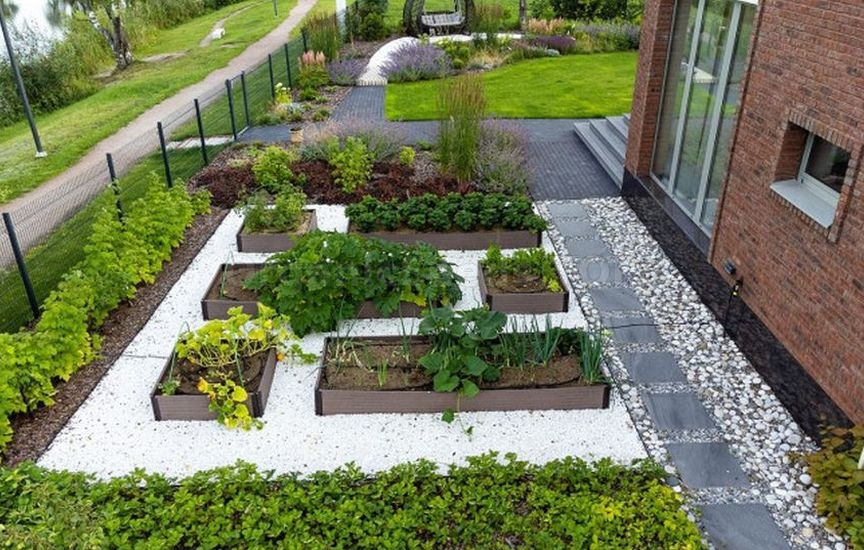 What to do on long November evenings, when gardening work is finished, and the New Year’s festive bustle has not yet overwhelmed you? You can read inspiring books or watch movies, cozily settled under a blanket with a cat. Or you can make garden plans for the coming season – fortunately, there is still the whole winter ahead, and you will definitely have enough time to study the “material part,” competently plan future plantings in the garden or flower bed and purchase the necessary seeds and materials. 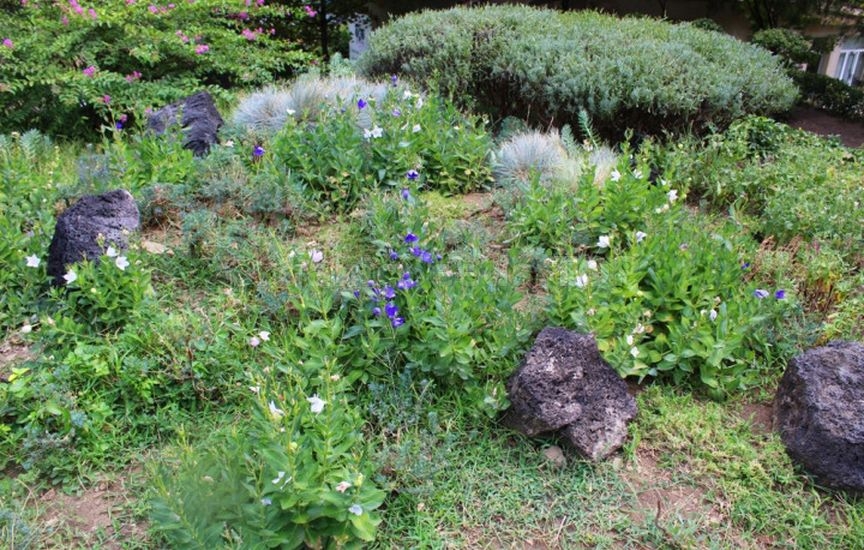 Perhaps the results of the past season did not impress you too much: the plants were often sick, and the harvest was meager. Then you need to do some work on mistakes – analyze which planting or agricultural techniques were violated. To correct mistakes, it is worth carefully thinking through crop rotation, or even reorganizing the garden, moving the beds to a more illuminated and/or convenient place. If the flower bed has turned into a chaotic “fusion” of self-seeding plants and old overgrown perennials, then it is time to adjust the assortment of plants or even lay a new flower bed. And if the landscape composition needs updating – it’s time to select the right “neighbors” for ornamental crops, which will fit into the concept and create the necessary accents. Where to start implementing these or other grand ideas? Of course, with planning! Why plot planning is needed333333333333333333
To properly organize updates on the plot, you should start with developing a plan. Even if this activity does not seem exciting to you, the result is worth it. Moreover, in the process you may radically change your opinion and even become interested in landscape design, because appetite comes with eating. A well-thought-out plot plan will allow you to calculate in advance what size the plants will reach as they mature, build their harmonious composition and imagine how different combinations and groups will look. In addition, with a clear scheme you will know exactly which species and in what quantity will be needed, and in the future you will be able to avoid endless transplanting. As for the vegetable garden, competent preliminary planning will allow you to:
Planning step by stepToday the network offers many ready-made solutions for planning a garden or vegetable garden. Feel free to implement the designer’s idea you like, because in your hands it will inevitably acquire individual features. However, when adopting someone else’s experience, make adjustments for the climatic zone: perhaps not all solutions will be suitable for your conditions. 1. Inspect the territory  And find suitable places for planting that are not yet developed. Conduct a thorough inspection, recording all details: location of buildings, their size and the shade they create at different times of the day. Pay attention to the features of the relief – whether there are slopes on the plot, how drainage is organized, where sewer pipes and other engineering communications are laid, whether the automatic irrigation system functions. When choosing a place for new plantings, give preference to flat areas or well-lit slopes oriented to the south, southeast or east. Avoid lowlands: moisture and cold air accumulate in such places, which creates unfavorable conditions for plants. Lack of solar heat and risk of spring frosts can seriously undermine plant health, depriving them of flowering, and you – of harvest. 2. Take into account the level of groundwater and soil characteristics 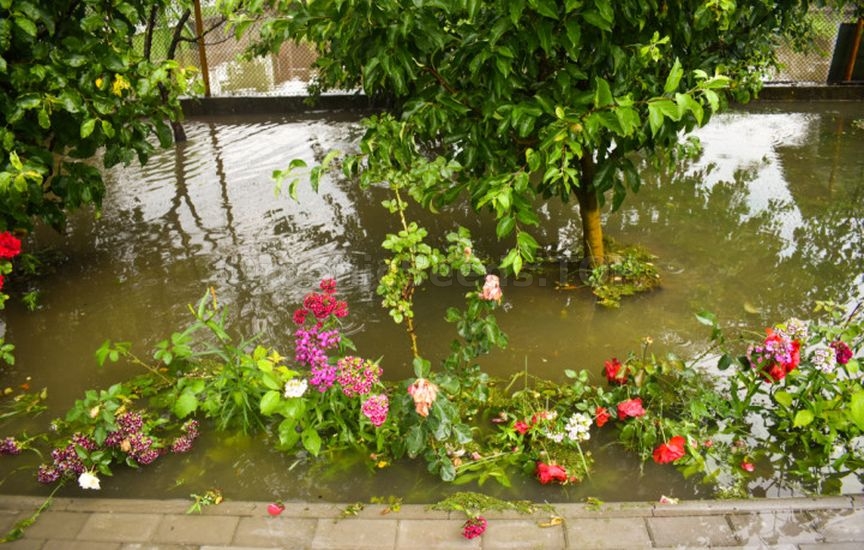 The level of groundwater is one of the most significant factors in landscape arrangement. To avoid waterlogging and root rot, especially in large plants, it is necessary to find out in advance how high the groundwater is located on the territory. If the aquifer is too close to the surface, you will have to think about organizing drainage – either general for the entire plot, or local for planting pits. When developing a plan and choosing plants, you should also take into account soil characteristics, because not every gardener can afford a complete soil replacement. It is extremely important to study the preferences of the plants you intend to plant, and competently distribute them across the territory taking these requirements into account. The most capricious crops should be allocated areas with fertile, light, loose and moisture-retentive soil or prepare a suitable soil mixture in advance and fill the pits with it when planting. 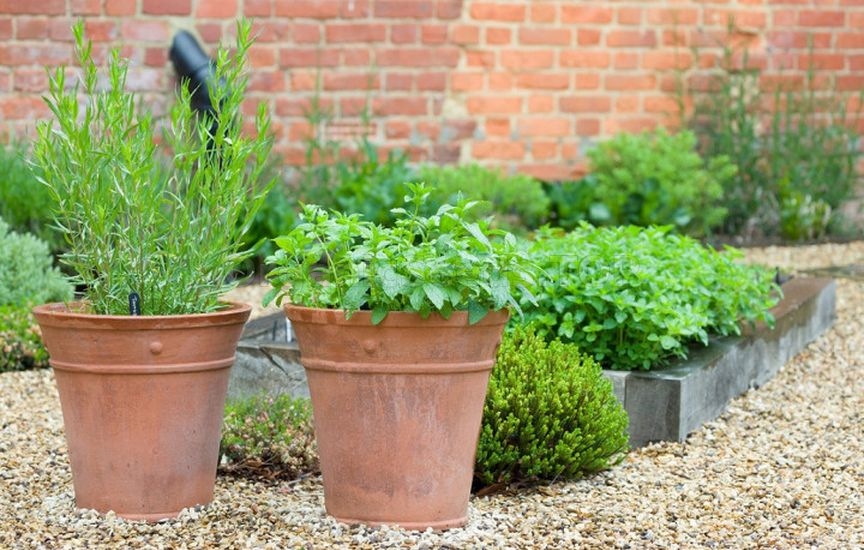 When planning a vegetable garden on a plot with a high groundwater level or on poor soil, it makes sense to think about arranging raised beds, which can be filled with nutrient substrate. This will be cheaper and faster than trying to raise the general soil level or improve the soil on a large area with amendments. With proper layering, raised beds will allow you to start the season earlier, finish later and harvest at least two crops, since rotting organic matter will heat the soil in the upper layer and actively give nutrients to plant roots. 3. Choose zones for beds and flower beds 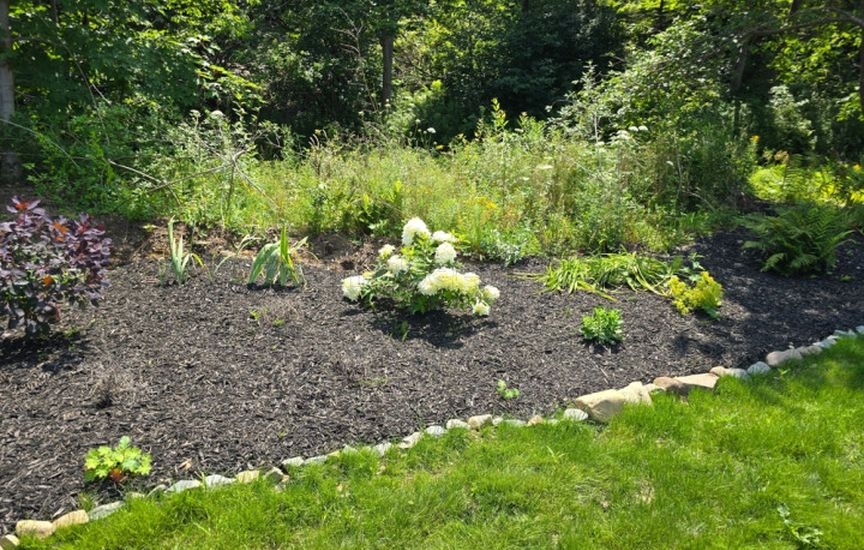 Plan new plantings taking into account the successes and failures of the past season. Analyze what mistakes you made with placement: where plants lacked light or moisture, where they “burned” in the sun, on which beds you had to fight diseases or pests, and in which flower bed the plants did not show the expected decorativeness. After such analysis it will be easier for you to decide on the place for new flower beds or garden beds. The needs of different crops in lighting are not the same – for full development they may require from 8 to 14 hours of light per day. This characteristic may differ not only among different crops, but even among varieties of the same species. Therefore, when planning the plot, it is important to place beds and flower beds so that the plants on them receive exactly as much light as they need. 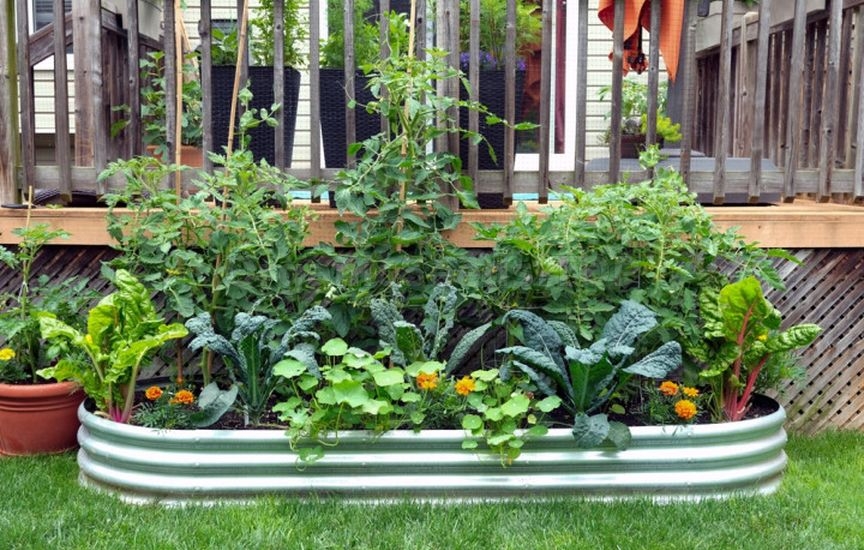 For example, in tomatoes, a reduction in daylight hours by 2-3 hours can halve the number of fruit sets. Peppers, eggplants, zucchini, pumpkins and most members of the Cruciferous family are no less sensitive to shading – their fruiting noticeably worsens in the shade. At the same time, leafy crops, sorrel, rhubarb, perennial onions and garlic, on the contrary, suffer from excessive lighting, so for them shaded areas or diffused light are preferable. Ornamental plants in flower beds or containers should also be placed taking into account the insolation of the plot. Thus, on the south side, illuminated by the sun for at least 6 hours during the day, sun-loving crops will feel great: catnip, lavender, peonies, roses, echinacea. In the shade, shade-tolerant hostas, brunnera, astilbe, fern will take root. 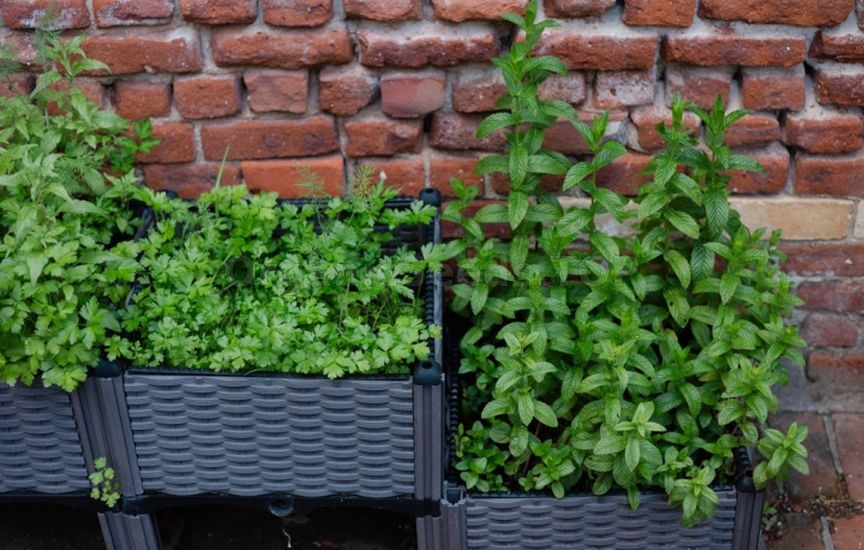 When organizing a vegetable garden, it is important to take into account not only the biological needs of plants, but also the convenience of the gardener. Closer to the house or utility buildings it is logical to place the crops most demanding in care – this way it will be easier to regularly pay attention to them. Vegetable crops that are often needed in cooking (greens, spices, onions) should be placed closer to the kitchen. Take a look at the flower bed near the porch or terrace – surely some of the flower crops can be replaced with greens and herbs, without losing decorativeness. No less important is the factor of water supply. The closer the beds are located to the water source, the easier it is to organize regular and full watering. 4. Think through the assortment of plants  The location of the flower bed in the garden will determine its appearance and selection of plants. It can be a bright composition in front of the house, an elegant narrow border stretching along the garden path, or a cozy shady mixborder. When starting to choose the assortment, it is important to study the characteristics of the chosen place: soil composition, level of light and moisture. For each combination of these factors there is its own set of optimally suitable plants. It is advisable to compile their list in advance – this will save you from having to rely on the recommendations of consultants in garden centers. When creating a flower bed, gardeners adhere to different principles. Some prefer to focus on plants of one species, combining representatives of its various varieties into a harmonious composition. Others form more complex ensembles, including specimens of different species: some – as a striking accent, and the rest as a background, shading the beauty of the "soloists." It is important to anticipate in advance what size the plants will reach in the future. For example, coniferous crops over time noticeably expand in width and can shade lower-growing crops, depriving them of sunlight. When placing vegetable crops in beds, the same basic rules apply – first of all, taking into account lighting, moisture and soil structure. In addition, it is critically important to observe the rules of crop rotation, which involve growing related plants on the same bed no earlier than after 3-4 years. By competently alternating crops, you will not only achieve record harvests, but also be able to increase soil fertility, improve its structure, enrich the microflora, prevent erosion processes caused by precipitation and wind. 5. Fix the plan on paper 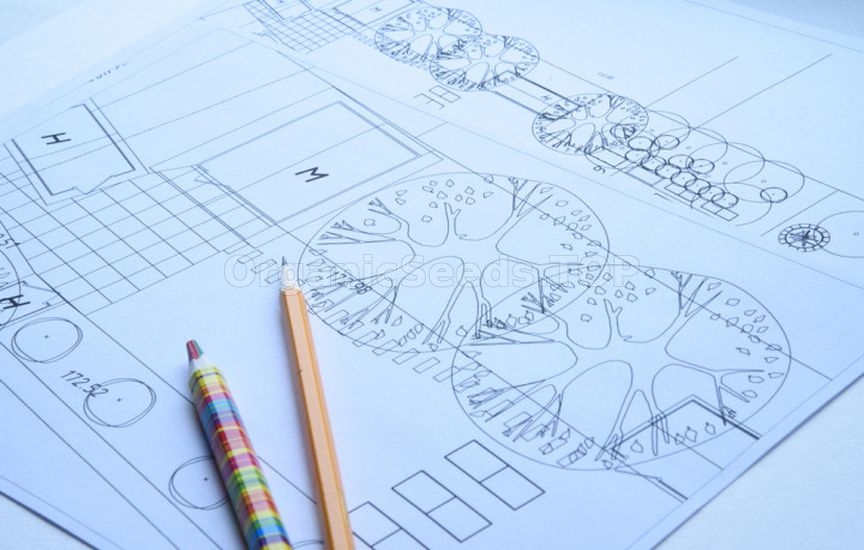 Instead of a paper plan, you can turn to modern technologies and use a special tablet or suitable computer program. On the web it is easy to find many design applications, including free ones. Choose a convenient format and start visualizing your ideas of beauty. At this stage inconsistencies may be revealed. Start with a simple sketch – it will not require artistic skills from you, but will give the first idea of the correspondence of the size of the future flower bed or bed to buildings and other objects on the plot. Having outlined the general contours, proceed to detailing – draw future ornamental or vegetable crops. At the same time, try to adhere to the principles of proportionality and tiering. 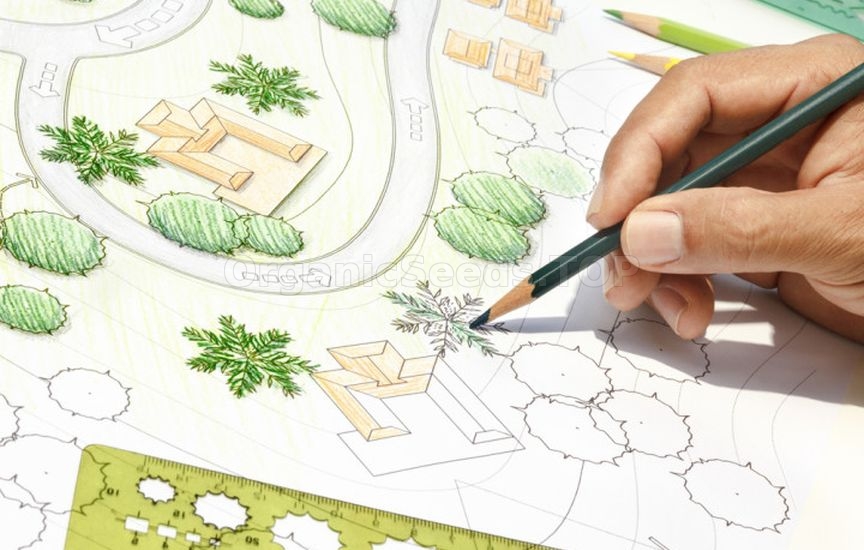 Divide the space into three levels. In the background place tall plants: delphiniums, mallows, foxgloves or, in the case of the vegetable garden, climbing crops on supports. In the middle zone, medium-height crops will look good: peonies, daylilies, phloxes. The foreground should be decorated with low-growing plants – hostas, heucheras, sedums, marigolds and petunias. Here it is also appropriate to place representatives of groundcover species. When creating a map of the vegetable garden, take into account not only the amount of light, but also the timing of planting/sowing crops, the duration of the growing season, the principle of alternating species. If you want to create a mixed bed – do not forget to clarify the ability of crops to coexist together. Do not be afraid to "move" future plantings on the diagram – after several "reshuffles" you will get an optimal plan ready for implementation. 6. Study the market and buy materials  Do not even think about being bored while waiting for the start of the next season. You have several months to study the assortment of garden stores, audit tools and planting material, identify gaps and order what is necessary at the most favorable "winter" prices. No, we do not urge you to buy seedlings that have nowhere to be stored, but to look in advance for a good nursery or get a new pruner instead of a broken one – quite a successful solution. After compiling the final list of plants, it will become clear to you which seeds and when are better to buy, taking into account the different sowing times for seedlings. Moreover, some crops (for example, bulbs for early forcing or eustoma for sowing in December) can be purchased already now. What else may be on your shopping list for the coming season? Soil improvers, mulch, borders for raised beds, decorative fences, tiles for paths and garden decor. The size of this list is limited only by your imagination and the depth of your wallet. In the "hot" spring season you will not have time for reflection and planning, so take advantage of the time of "calm" and spend the winter usefully. You may need:Flower SeedsTree seedsTools and supplies |
|
|