
Preparation and storage of soil for seedlings |
The quality of seedling soil affects not only the health of the seedlings but also the overall success of the entire season. It is from the soil that young plants receive the nutrients necessary for full development. And strong seedlings are the key to a bountiful harvest.
 To determine what kind of soil is needed in your case, you must first focus on the needs of the specific crop for which it is intended. Based on this, you should select the type and amount of various additives and soil enhancers. Nevertheless, there are universal characteristics that are important for the normal growth and development of absolutely any young seedlings. What kind of soil do garden crops need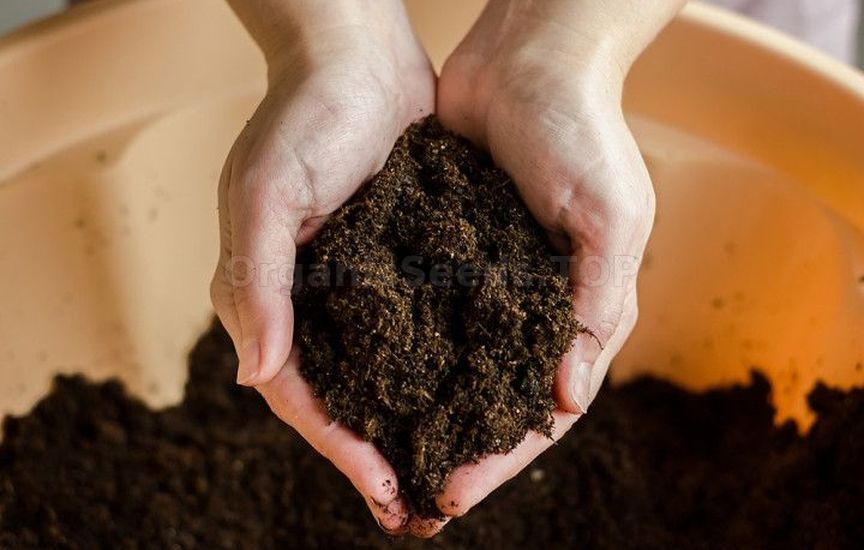 As for the general requirements for seedling soil, one should start from the main conditions necessary for successful seed germination—temperature and humidity. "Proper" soil should effectively absorb and retain water. However, the substrate must also be sufficiently aerated to ensure even heating and good aeration; otherwise, the seeds may rot. If the soil is too dense, young roots will have a hard time breaking through it. Therefore, the ideal option is light, loose soil that provides comfortable conditions for root system development. When seedlings grow in a limited volume of soil with fairly dense planting, they require a lot of nutrients, so soil fertility is a must. Acidity should not be forgotten either. If the pH balance is disturbed, plants lose the ability to fully absorb important macronutrients, which inevitably slows their growth. For the vast majority of crops, the most favorable acidity is neutral, in the pH range of 6.5–7. And finally, another fundamentally important requirement: the soil must be completely free of any pathogens—weeds, fungal spores, harmful bacteria, pests, or their larvae. Only such soil will provide seedlings with safe conditions for healthy development. Where to get seedling soil mix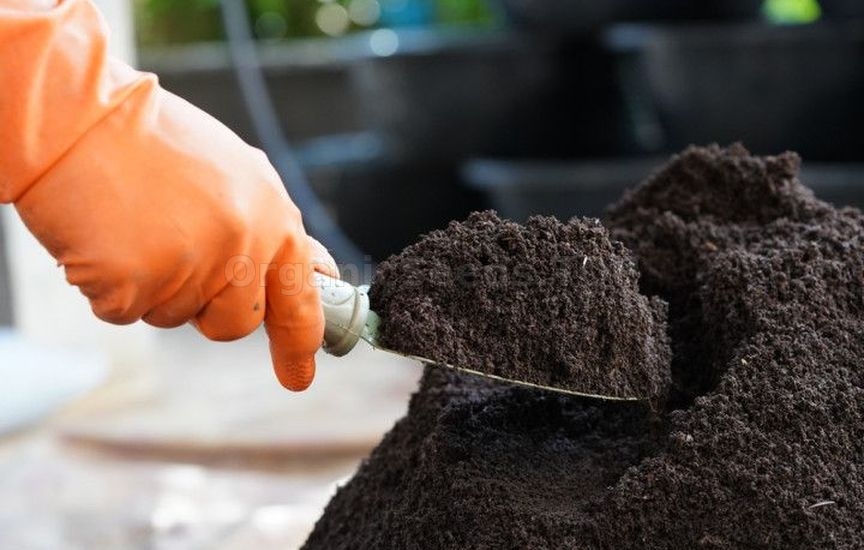 Of course, buying ready-made soil for vegetables or ornamental crops in a store seems like the easiest solution. However, not all ready-made soils are of high quality. Most often, such a substrate is deacidified high-moor peat with fertilizers, and sometimes used soil from industrial greenhouses. Using such a soil mix is unlikely to fully meet the needs of each crop, which means the seedlings will not be able to fully realize their potential. So, if we want to get a decent harvest, it makes sense to spend time and effort to provide the seedlings with optimal nutrition from the very first stages of development. Preparing soil mix with your own hands provides significant cost savings. Of course, the process cannot be called easy: you need to find all the necessary components, check their quality, and mix them in the right proportions. However, the task is doable if you clearly understand what ingredients are needed and where to get them. 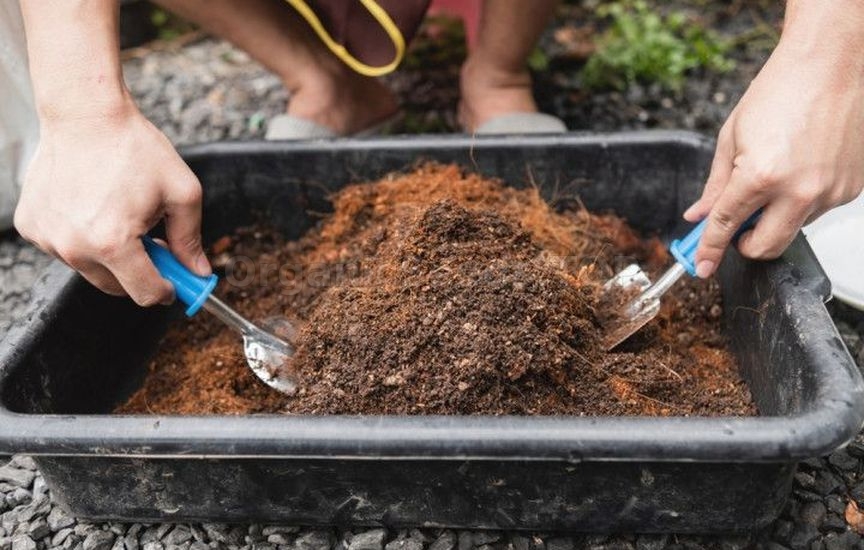 To obtain a universal soil, you can mix in various proportions components such as peat, humus, compost (or vermicompost), river sand, perlite (or vermiculite). If you don’t have compost and humus, you can add sod soil or soil from under forest plants (e.g., alder, hazel, or nettle). Peat, which forms the basis of any seedling soil, as well as loosening agents (perlite, vermiculite), can be purchased at garden stores, while organic fertilizers and sod soil are best harvested in the fall before the frosts begin. Taking soil for seedlings directly from the garden is not the best idea. First of all, it likely contains very few nutrients, as the most valuable elements have already been "extracted" during previous harvests. In addition, by the end of the season, the soil in the plot is almost certainly infected with pests or pathogenic microorganisms, which threatens problems when growing seedlings. How to prepare and store soil mix for seedlin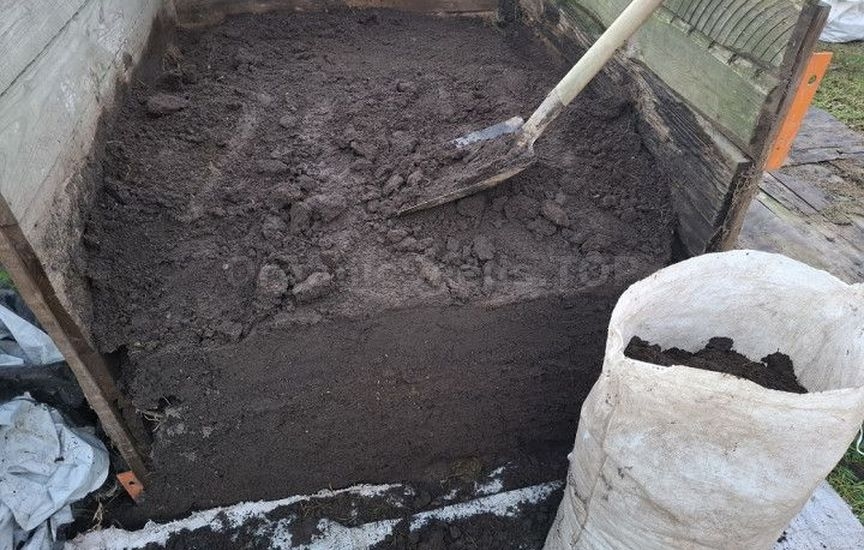 If you have mature compost, humus, or vermicompost, you should harvest it in the fall: remove the top layer of undecomposed plant residues, sift the fertilizer, and pack it in bags, since in February–March the entire mass in the composter will still be frozen. The same should be done with sod soil (decomposed turf). If there are no organic fertilizers on the plot, you can collect soil from under certain plants in a vacant lot or forest: nettle, hazel, alder. Why are they considered the best "soil suppliers"? Because the unique features of their root systems make the soil they grow in a real treasure trove of nutrients. Hazel roots form mycorrhiza — a symbiotic tissue of fungal hyphae and fine plant roots. Thanks to mycorrhiza, future seedlings will receive enhanced nutrition, better water and nutrient absorption, and high resistance to soil pathogens. Alder’s root system forms a symbiosis with nitrogen-fixing bacteria—actinomycetes, which absorb nitrogen from the air and release it into the soil in the form of organic compounds. In such soil, seedlings will develop much faster. Nettle is valued by gardeners as an excellent fertilizer and antiseptic because it accumulates a large amount of nutrients in its aboveground parts and roots, which it easily releases into the soil during decomposition. Nettle accelerates humus formation and improves microflora, i.e., it both nourishes and heals young plants. 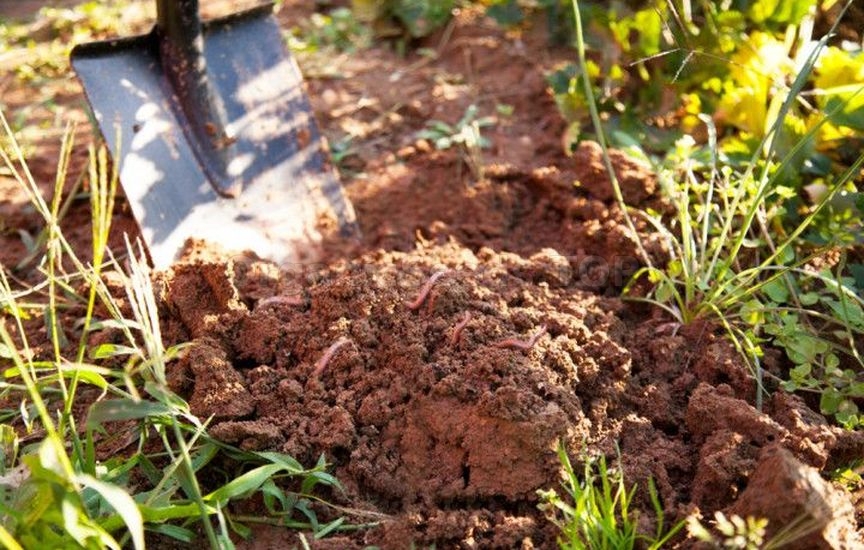 To harvest soil from under these plants, first carefully clear the surface of weeds and their roots. Do not dig too deep to avoid damaging the roots of alder or hazel, and nettle can be collected into a separate bag or wheelbarrow and taken to the composter. It is undesirable to remove too large sod layers, as the recovery period will take a long time. Damaged areas and especially exposed roots should be covered with leaf litter and other bedding components to minimize harm to the forest ecosystem. After preparing the soil, it should be sifted through a sieve with 5–6 mm mesh. This will remove stones, roots, and undecomposed plant residues. If the soil is too wet and difficult to sift, you can first add peat and sand—this will help the mass pass through the sieve more easily. 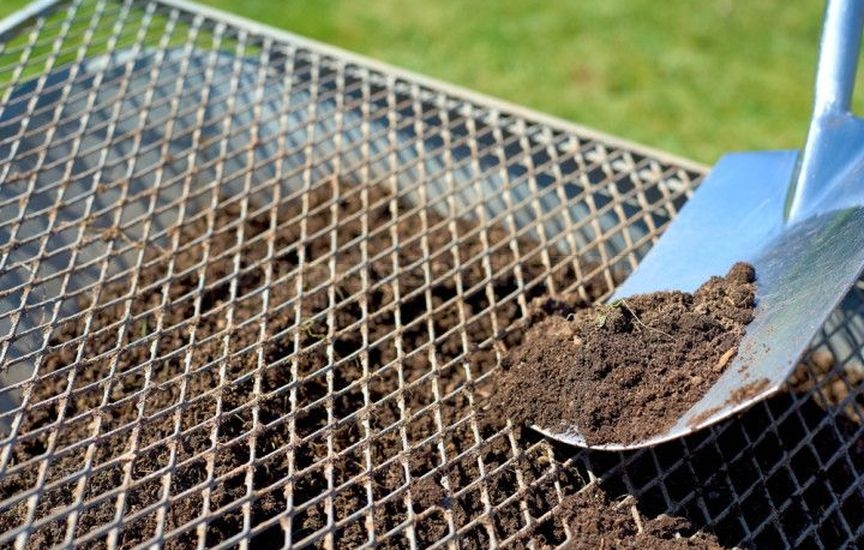 The harvested components of the future soil mix can be stored separately until spring, when it’s time to use them. Or you can immediately mix all the ingredients and prepare a universal soil suitable for sowing most vegetable crops. To do this, mix deacidified peat half-and-half with organic fertilizers (mature compost, vermicompost, humus), sod soil, or soil from under the aforementioned forest plants. Then add a cup of wood ash or a complex mineral fertilizer per bucket of the resulting mix, according to the instructions. The finished soil can be stored in bags outdoors or in an unheated shed—frosty winter weather will help naturally disinfect the soil. Closer to the end of winter or early spring, a couple of weeks before the first sowing, the bags should be brought into a warm room, allowed to thaw, then sifted and distributed into containers. When preparing soil mix for seedlings, do not add actively decomposing elements: plant residues, fresh compost, or such "fertilizers" as tea leaves. During decomposition, these substances significantly increase soil temperature, which can harm the tender roots of young plants. When preparing the soil for sowing, it is useful to add enhancers that make the structure looser, more moisture- and air-permeable. We’re talking about perlite and vermiculite—useful mineral additives that can absorb excess moisture and dissolved nutrients and gradually release them to the roots. One of the enhancers (your choice) is added at a rate of 20% of the total soil volume. This method of preparing seedling soil may seem complicated, especially for beginners and urban gardeners without access to forest areas. But if you live in a private house or often visit nature, why not give it a try? Perhaps a self-prepared substrate will help unlock the true potential of your plants. |
|
|