
Which vegetables can be grown without seedlings |
The seedling method is perhaps the most familiar to our gardeners, who strive to get a guaranteed harvest even in the shortest or coldest summer.
First of all, for the non-seedling method you can consider cold-resistant crops that are not afraid of return frosts. Another option is more heat-loving but fast-growing vegetables. The former are sown in the soil already sometimes from mid to late April, the latter usually from mid-May. In any case, choose well-lit areas protected from drafts and cold winds. 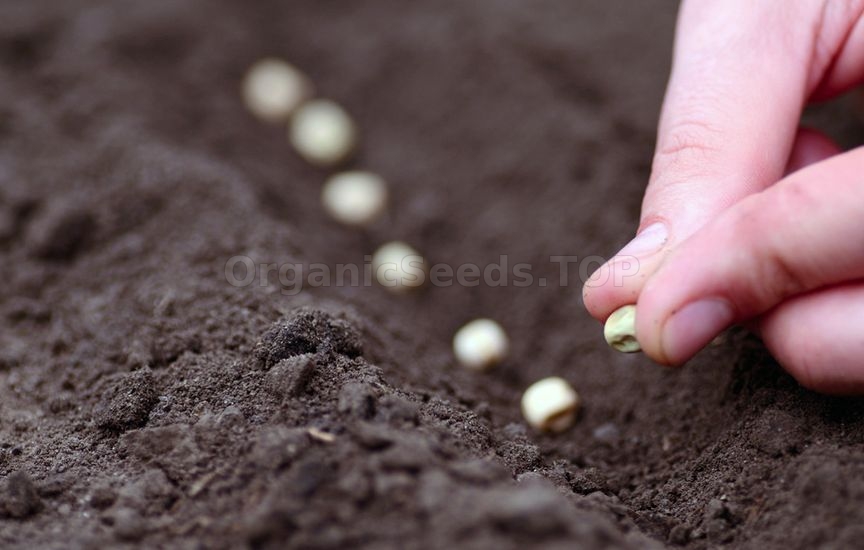 Do not forget that the non-seedling method is also suitable for most types of greens and leafy vegetables – you can grow rhubarb, dill, parsley, sorrel, spinach, lettuces (including leaf lettuce, cress, etc.), arugula, cilantro, basil… RadishEarly radish is a fast-growing, cold-resistant, and unpretentious crop, its root crops ripen already 20–30 days after germination, and thinned sprouts can successfully be used in salads even earlier.
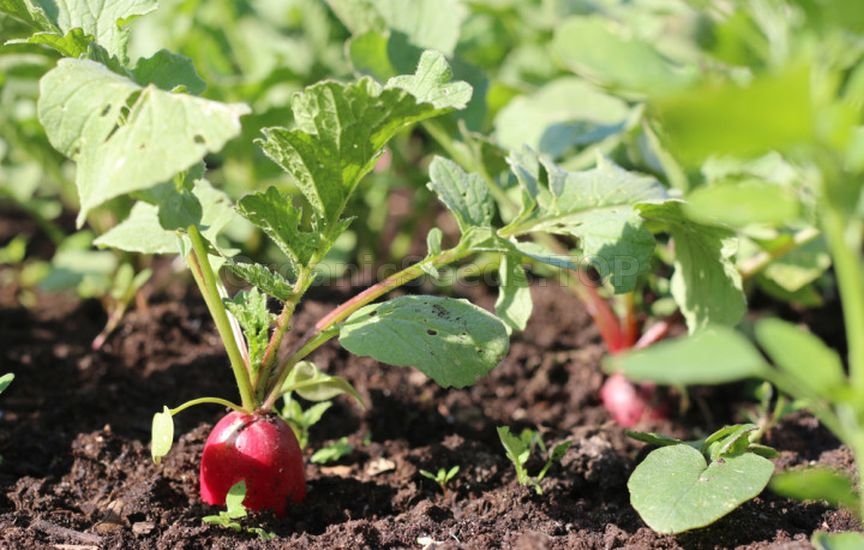 Before sowing, seeds are germinated in a damp napkin on a radiator. To get an earlier harvest, start sowing radish directly into the soil when the temperature reaches at least 10°C, then seedlings will appear in a few days. In fact, seeds can sprout even at 2–4°C, but in this case they may take up to 14 days, and if exposed to constant return frosts, the root crops may eventually grow bitter. In April–May, the bed can be covered at night with spunbond to protect seedlings from possible frosts. Carrot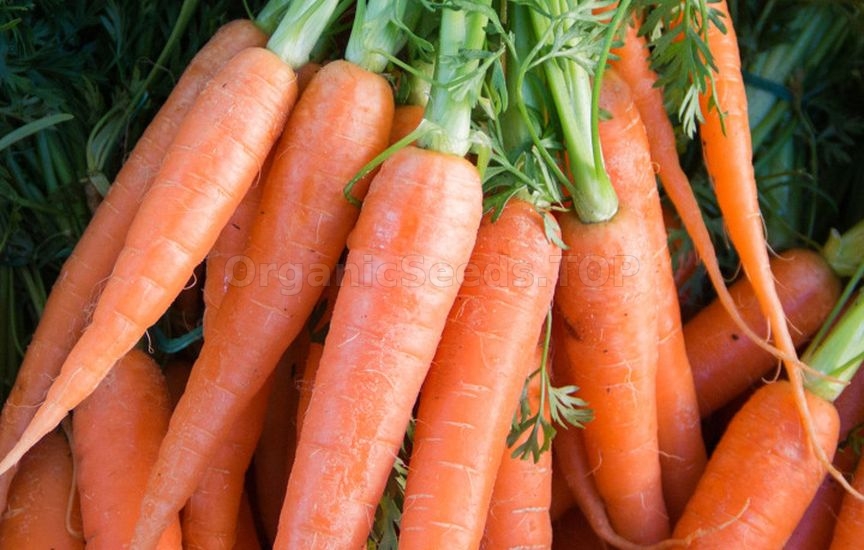 As soon as the snow melts and the soil warms up a little, you can start sowing carrots – and already in 50–60 days, if you choose early varieties, you will get a full harvest, and “bunch” sweet and tender baby carrots even earlier. Seeds should be soaked for several days or warmed in hot water (50°C) for about 15 minutes, and immediately before sowing dried and mixed with sand – this way the small seeds can be sown more evenly into moist soil (although later thinning of seedlings will still be necessary at least twice per season). As with radish, in cool weather before germination the beds can be covered with film or agrofiber. Beet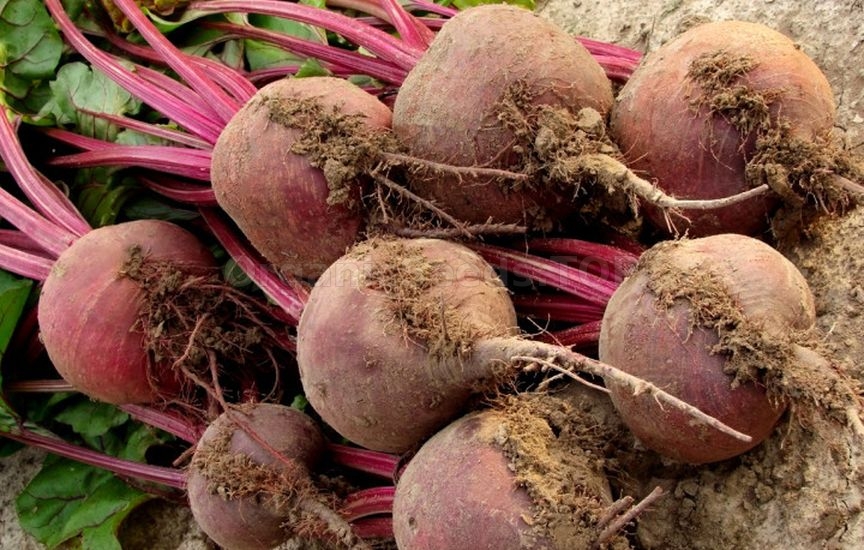 Another cold-resistant root crop that can be safely sown in beds already from mid or even early April is beet (some gardeners even mention March, as soon as the top layer of soil warms and dries). In fact, beet seedlings are quite capable of withstanding short-term cooling even down to –2°C. However, prolonged temperature drops are likely to stop growth and cause bolting. Root crops in this case will most likely be tough, small, and tasteless. Before sowing, seeds are warmed – soaked for a day in warm water or kept for about 15 minutes in water heated to 50°C, then dried. In prepared furrows, seeds are placed at a distance of 8–10 cm from each other (for single-sprout varieties – 4–5 cm). The sowings are covered with soil, mulched with peat or humus, and compacted. Peas and beans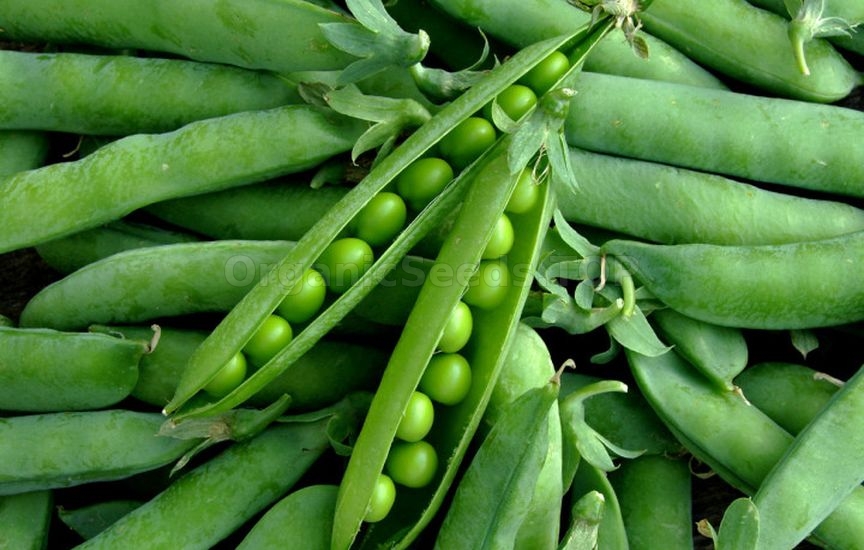 If the beloved beans are usually sown in open ground no earlier than mid-May, then much more cold-resistant and unpretentious relatives – peas and broad beans – are ready to settle there already a month earlier, as soon as the snow melts, the soil dries well and warms to a small but stable positive temperature. Before sowing, germinate the seeds (optional), wrapping them in a damp napkin and leaving in a warm place for 1–2 days – this way they will adapt more easily and grow faster in the beds. Sow in prepared rows, deepening 3–4 cm, sowing according to the scheme 10×40 cm (depending on the habit of the future bush of the chosen variety), cover with soil, water, and slightly compact the soil. The first greens of spring-sown peas can be cut in about 20 days, pods with tender grains of the milk stage of ripeness will be ready a little later. And the simple cultivation of both crops can be handled even by a child. Parsnip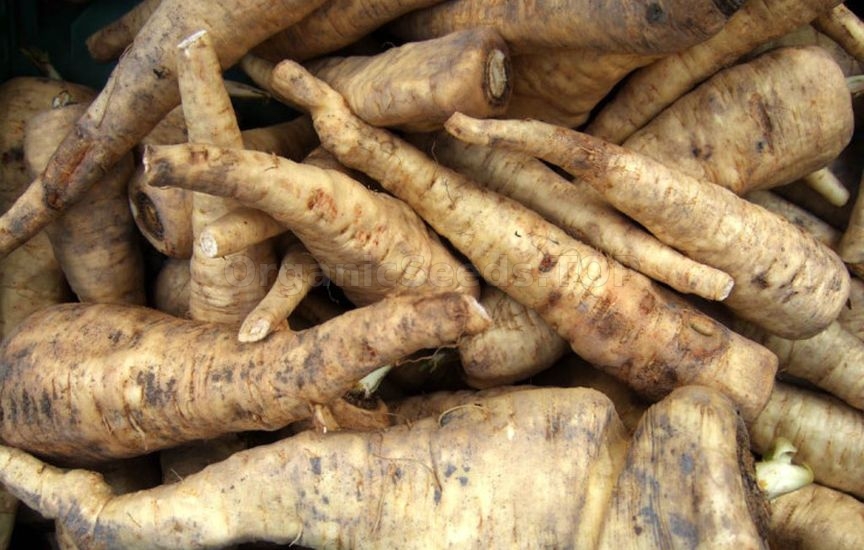 At the end of April – beginning of May you can easily sow parsnip (white root) in the beds – not yet the most popular root crop of the Umbelliferae family, which, nevertheless, is very useful, considered dietary, distinguished by high fiber, vitamins, and mineral salts content, and also has a very pleasant sweet taste. Parsnip seeds are slow to germinate due to the presence of essential oils, so before sowing it is better to soak them in warm water for 2–3 days, changing the water, or germinate them. Use only last year’s seeds, as older ones sharply lose germination. Sow them as soon as the soil warms to 5–10°C and then do not forget to water abundantly and regularly – seedlings may appear quite long, up to 3–4 weeks. Zucchini, pattypan squash, courgettes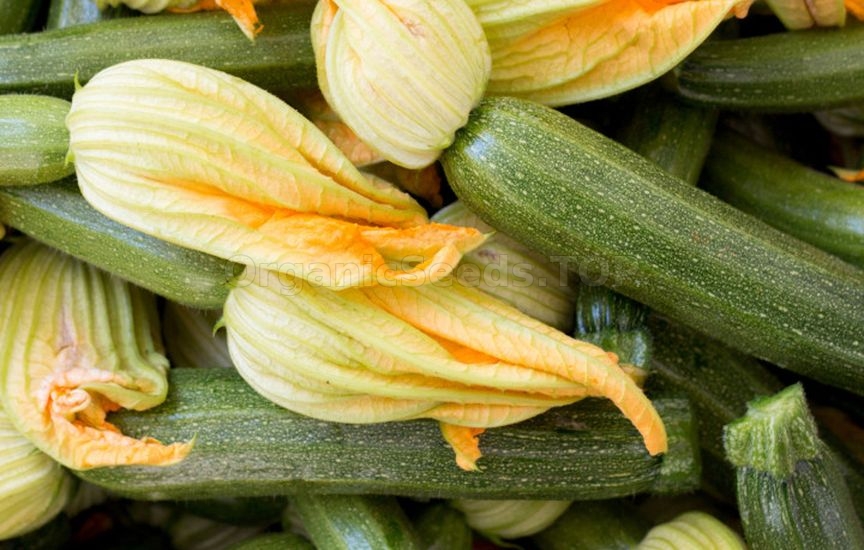 These members of the Cucurbitaceae family are much more heat-loving than the crops described above, so they are sown in open ground no earlier than mid or even late May (when the soil warms to 14–17°C and the threat of frost has passed), pre-soaking the seeds for 2–3 hours in warm water or in a growth stimulator solution and choosing the warmest, sunniest place in the garden for planting. Later cultivation will not cause you any trouble at all, zucchini (and courgettes, and pattypan squash – just their varieties) are deservedly considered champions of “low maintenance.” The only thing they do not like is acidic soils with a high groundwater level. The fruits of the earliest varieties and hybrids of these crops ripen 35–45 days after germination. Under favorable conditions (temperature above 18°C) the first harvest can be collected already in mid or late June. At the same time, plants of ultra-early bush forms begin to bear fruit faster than climbing ones. Cucumbers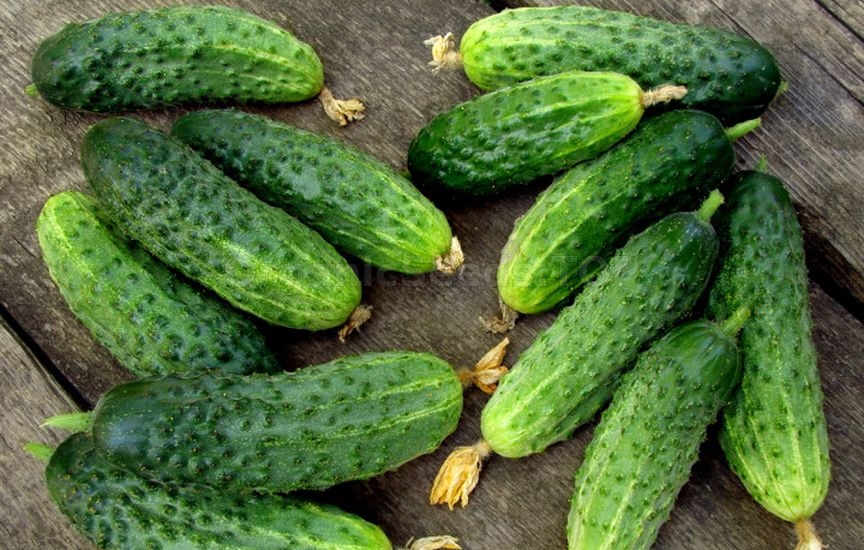 And we will finish our list of vegetables that in the middle zone can be easily sown directly into the soil without preliminary seedling cultivation with a crop not quite expected by many – cucumbers. Most gardeners habitually consider them quite capricious and overly heat-loving for such a method. However, as with other Cucurbits (see above), the soil temperature at the end of May – beginning of June in the range of 13–16°C is already quite suitable for sowing cucumber seeds directly into the soil. The main guideline, as before, is the absence of the threat of return frosts. For more active germination, cucumber seeds can be pre-germinated in damp cloth or sown dry if the soil is sufficiently warm and moist, and the place is sunny and protected from cold wind and drafts. What else can be easily sown directly into the soil as soon as it warms enough? Onion for greens and bulbs, radish, daikon, rutabaga, turnip, cabbage of other cold-resistant species, corn… If desired, even tomatoes can be grown without seedlings, if you choose the earliest varieties with the necessary characteristics (cold resistance, resistance to stress and unfavorable weather conditions, etc.) and competently prepare the beds and cover for them (although, strictly speaking, protective cover with film or spunbond at first will not hurt most crops sown in spring directly into open ground). You may need:Radish seedsCarrot seedsBeetroot seedsParsnip seedsCucumber seeds |
|
|