
What to feed beans and peas for long-lasting fruiting |
While the bean and pea harvest has not yet been completely collected, there is still an opportunity to extend the fruiting of the bushes and get a larger harvest. Properly selected fertilizers can help with this.
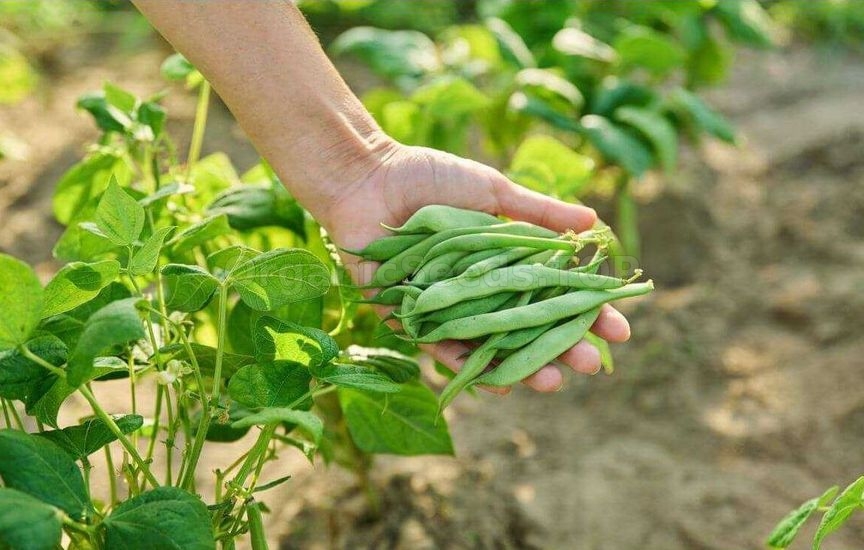 Different types of beans and peas are grown on summer cottages. Vegetable peas are eaten fresh before full ripeness, and asparagus beans are harvested as the pods form. Shelling beans (grain beans) are harvested after the beans are fully ripe, when the pods have dried. Since these legumes are annuals, after the full harvest the bushes gradually turn yellow and die off. But while the pods are still ripening, the plants can be fed, which will give them strength to form new flowers and ovaries. What nutrients beans and peas need in the second half of summer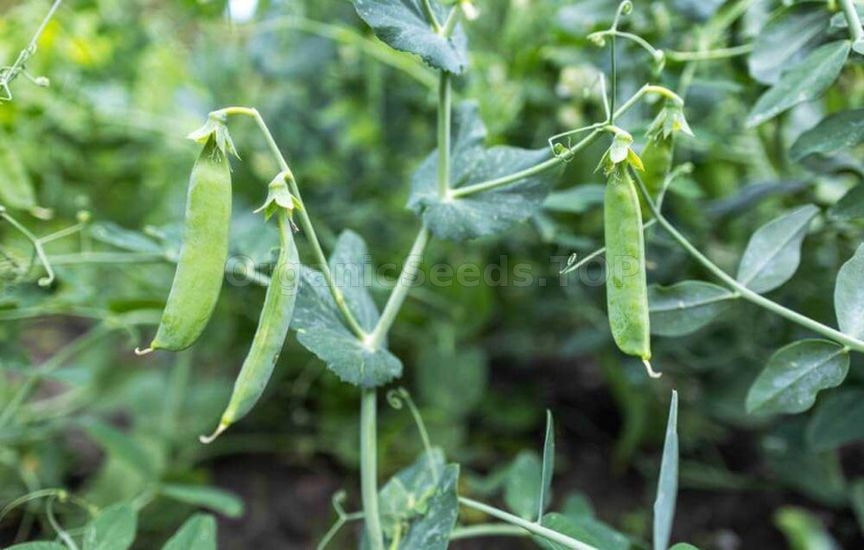 For longer fruiting, beans and peas, like many other garden plants, need phosphorus and potassium — elements responsible for abundant flowering and crop formation. But the supply of nitrogen should be limited, otherwise the bushes will begin to build up green mass to the detriment of fruiting, and their immunity will decrease. In addition, it is worth remembering that legumes generally do not tolerate an excess of nitrogen, since they are supplied with this substance by nitrogen-fixing bacteria living on the roots of plants (for this reason it is so useful to sow legumes as green manure — the soil will be enriched with nitrogen). Frequent summer rains contribute to the active leaching of nutrients from the upper soil layers. 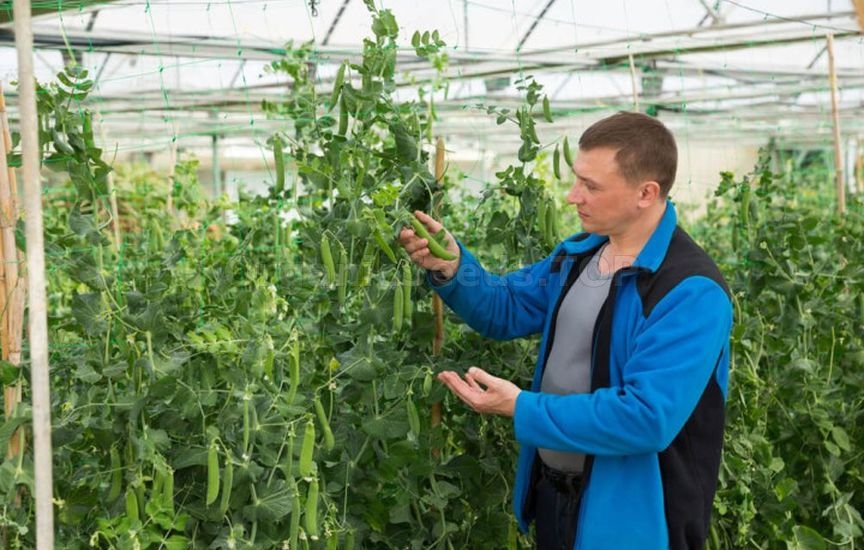 It is also useful to inspect beans and peas for signs of nutrient deficiency so that, in addition to phosphorus and potassium, other elements can also be added if necessary. For example, due to iron deficiency the leaves may become chlorotic — pale with bright green veins. With boron deficiency in beans and peas, young leaves become deformed and buds fall off. And if the plants lack magnesium, the lower leaves will begin to fall prematurely, and shoot growth will slow down. With phosphorus deficiency in legumes, the leaves become smaller and their color takes on a purple tint. The bushes bloom worse and form ovaries poorly. And if the edges of the leaves begin to turn yellow and dry out, and the fruits in the pods are small and tasteless, the plants urgently need potassium feeding. What to feed beans and peas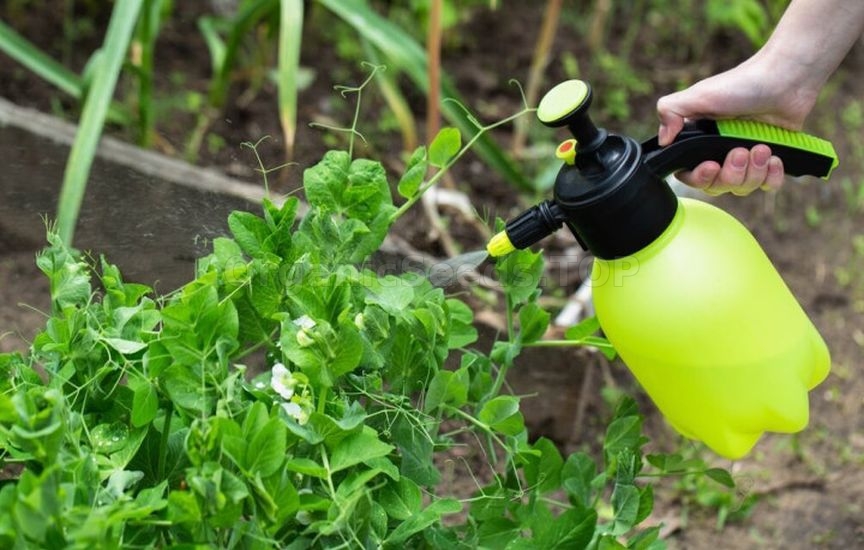 To keep bean and pea bushes productive for as long as possible, use the following fertilizers (choose one). Wood ash. One of the best fertilizers for July–August. Ash is rich in phosphorus and potassium and also contains a number of trace elements that help increase yields. It is preferable to apply the feeding in liquid form. To do this, dissolve a glass of ash in 10 liters of hot water, leave for a day, and then use 1 liter of the infusion per bush. Potassium monophosphate. An ideal mineral fertilizer with a high content of potassium and phosphorus. It can be applied by watering under the root (10 g per 10 l of water) or by foliar spraying (5 g per 10 l). Superphosphate and potassium sulfate. A popular combination of mineral fertilizers that allows you to quickly replenish the deficiency of the main nutrients. For each sq.m of plantings, use approximately 20–30 g of superphosphate and 10–20 g of potassium sulfate, after dissolving them in 10 liters of water. Do not water legumes with herbal infusions — these fertilizers contain a lot of nitrogen. 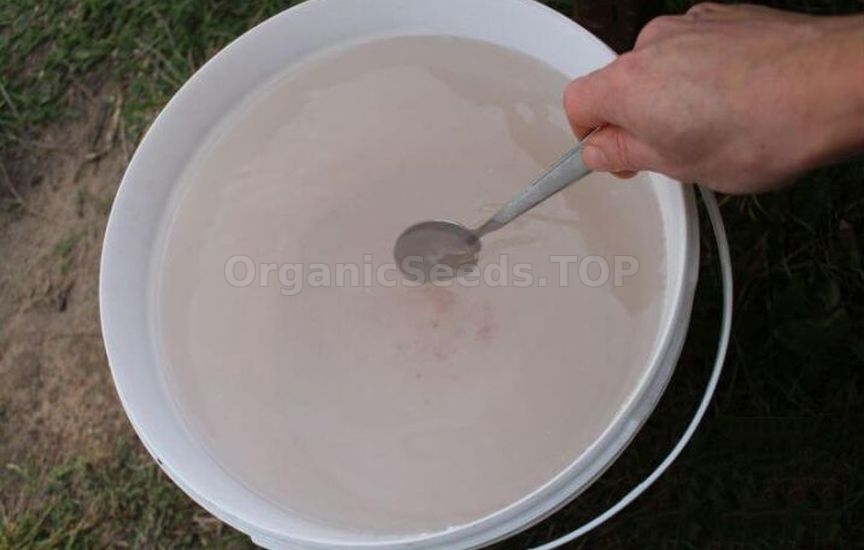 For feeding peas and beans, you can also use popular complex water-soluble fertilizers with an increased content of phosphorus and potassium. Such fertilizers contain a full set of macro- and microelements in an available form. Rules for feeding beans and peas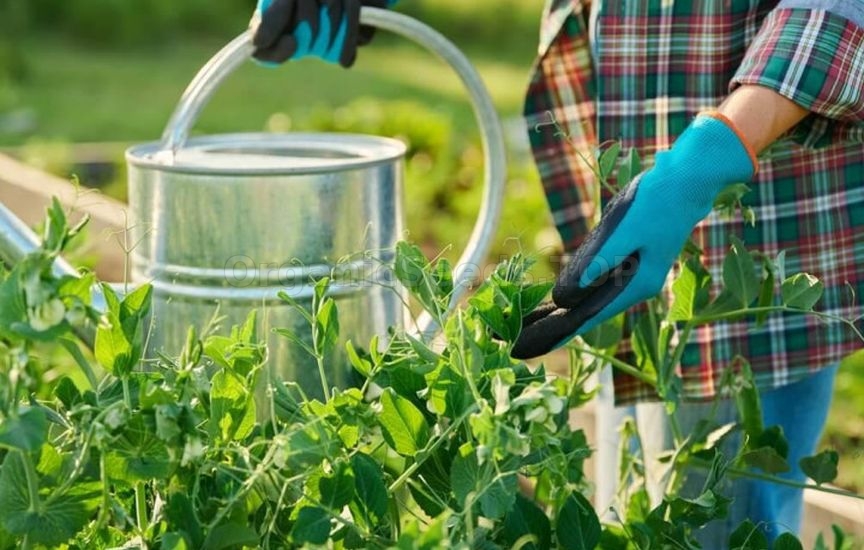 Fertilizing does not always help achieve long fruiting, and all because correctly selected products are applied without taking important nuances into account. Feed the plants every 10–14 days, no more often, since an excess of minerals can be harmful. It is better to apply fertilizers in liquid form so that the plants can absorb them faster. Foliar feeding is also highly effective, especially if the bushes are experiencing an acute deficiency of certain elements. The procedure should be carried out on a dry and cloudy day. Before applying root feedings, beans and peas must be watered well, otherwise the young tender roots may suffer from burns. If the soil is already moist, for example after rain, watering is not necessary. To obtain excellent results, it is recommended to alternate organic and mineral fertilizers, watering and spraying. 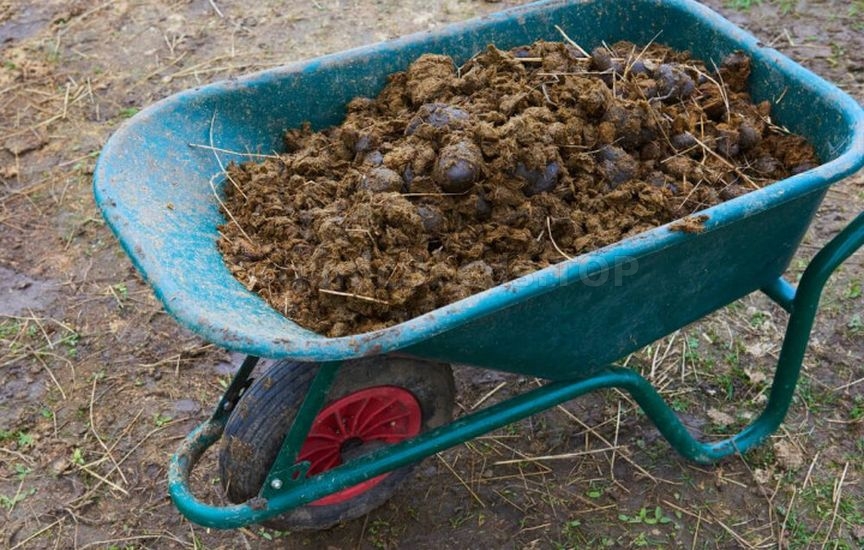 Under no circumstances should aggressive organic matter of animal origin be applied — fresh manure, bird droppings, etc. They release a lot of nitrogen, which burns the roots of plants. In addition to fertilizing, timely harvesting of pods has a great influence on the duration of bean and pea fruiting. Proper watering is also very important, since legumes love moisture and bear fruit worse under drought conditions. It is also useful to carry out preventive spraying with biological products against diseases (Fitosporin-M, etc.) and pests (for example Fitoverm). Despite all efforts, are the bean and pea bushes clearly no longer capable of bearing fruit for a long time? Then you can make another sowing of legumes at the end of July – beginning of August, choosing the earliest-ripening varieties of peas and asparagus beans. If the weather is not very favorable, it is better to plant the plants in a greenhouse. You may need:Bean seedsPea seedsOrganic fertilizers |
|
|