
Natural methods of soil restoration |
If each subsequent season yields a poorer harvest from your garden beds than the previous one, it's time to consider the reasons. The main one is soil depletion.
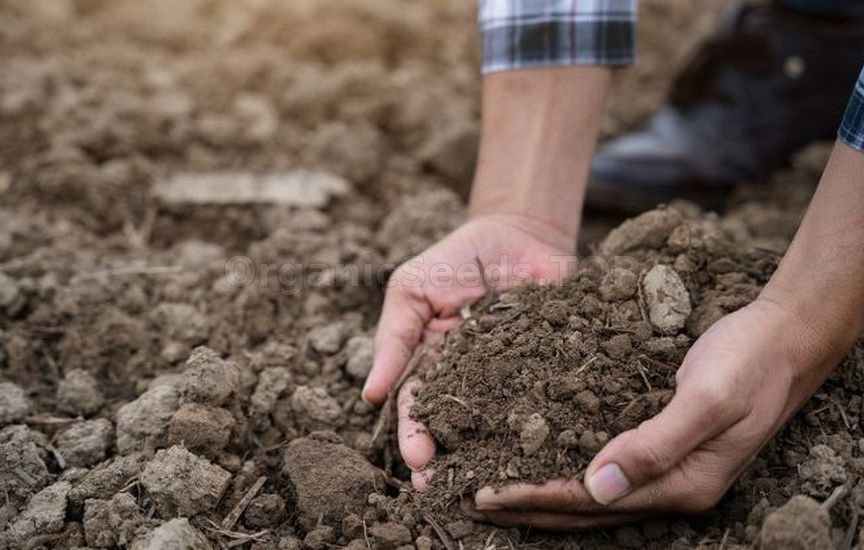 To harvest abundant crops of vegetables and greens year after year, it is important not to neglect soil care and regularly restore its fertility. The fact is that cultivated plants actively consume nutrients from the soil. The situation worsens if two or three harvests are taken in one season—in this case, the load on the soil increases many times over. In addition, fertility is often reduced due to violations of crop rotation principles and excessive use of mineral fertilizers. Why soil depletion occurs and why it is dangerous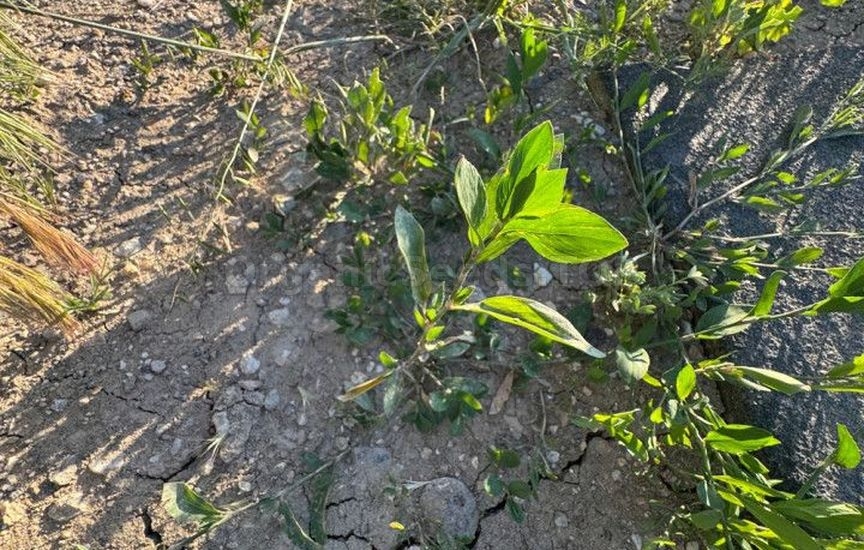 The main problem lies in improper soil management and failure to follow basic planting principles. Each crop consumes a specific set of elements, leaving others unused. Growing in the same place for several seasons leads to the leaching of some elements from the soil and the accumulation of others. This imbalance affects not only the plants themselves but also the soil microflora, which needs diverse nutrition. Deprived of a food source, microorganisms simply disappear from the ecosystem. In monoculture planting, plants are forced to compete for the same nutrients, which slows and weakens their development. Moreover, certain species naturally suppress the growth of neighboring plants. The substances they release can remain in the soil for a long time, creating unfavorable conditions for new crops in subsequent seasons. Active soil treatment, including digging, often causes harm rather than benefit. Excessive intervention destroys the top fertile layer, and natural effects of wind and water, causing erosion, further worsen the situation. Among natural factors, soil compaction deserves special mention. If loosening is neglected for a long time and organic matter is not added to improve structure, while continuing to grow plants in the same place, the soil loses its ability to properly transmit air and water. 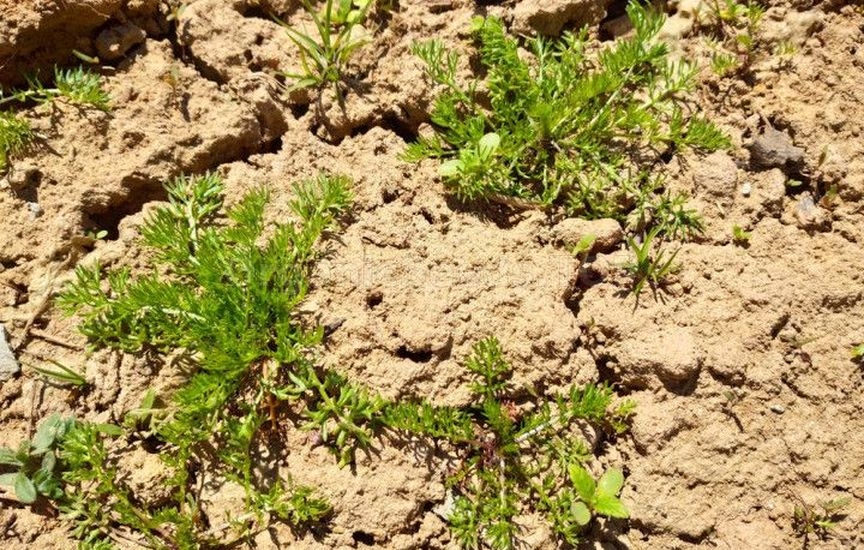 With any type of soil depletion, the humus layer—which serves as a source of nutrition for plants and many symbiotic organisms—is reduced or completely lost. In natural conditions, humus forms extremely slowly: it can take a century to form 1 cm of this valuable layer! A gardener cannot afford to wait that long, so active intervention is needed to help the soil recover. In addition to the loss of many vital macro- and microelements, pathogenic microorganisms accumulate in depleted soil. The soil structure itself deteriorates significantly, and the organic residues accumulated in the soil can no longer decompose properly due to the suppressed state of the microbiota—the natural "processor" of organic matter. Plants in such conditions require a lot of energy to root and develop, which greatly reduces the chances of a rich harvest. Methods of restoring fertilityIf we want to continue getting the maximum result from our gardening efforts, then after the gardening season ends, certain measures must be taken to restore the soil's vitality and prepare it for future plantings. Sowing green manure crops 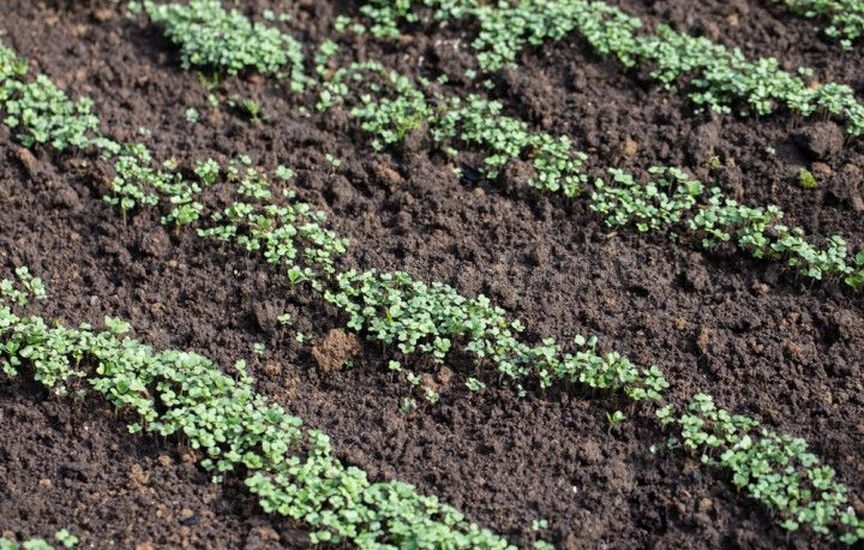 One of the most effective methods of restoring soil in garden beds after harvest is sowing green manure crops. These plants have a powerful root system and the ability to quickly build up green mass. Penetrating the soil, their roots loosen dense clumps, forming a network of air channels and thereby optimizing the structure. As the foliage decomposes, green manure enriches the soil with nitrogen and a complex of other beneficial substances. To restore soil fertility, gardeners often resort to sowing leguminous crops: vetch, sweet clover, peas, lupine, alfalfa, beans, or lentils. Their special value lies in their ability to actively enrich the soil with nitrogen: this substance forms on nodules that develop on the roots of the plants. Lupine is especially effective as a green manure: thanks to its root system, which can penetrate the soil to a depth of up to 2 m, it "pulls" valuable microelements from the lower horizons to the surface. 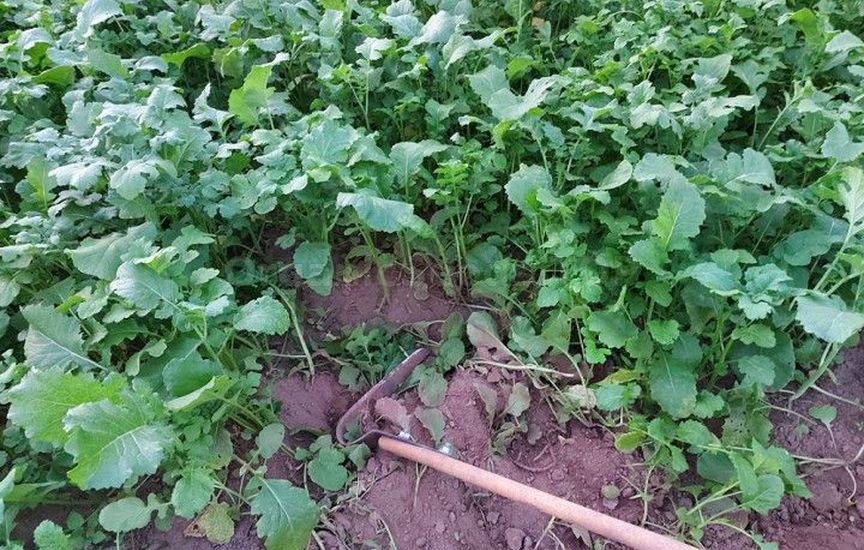 Cereal green manures are also beneficial: oats, barley, wheat, millet, and rye. They provide reliable protection against erosion, replenish potassium reserves in the soil, and are most effective in areas with acidic soil reaction. Many green manures exhibit pronounced phytosanitary properties, suppressing the development of pathogenic microorganisms: mustard and rapeseed actively combat the pathogens of late blight and scab; oats suppress the activity of harmful fungi and reduce the risk of root rot; phacelia repels such dangerous pests as nematodes and wireworms. Adding organic matter 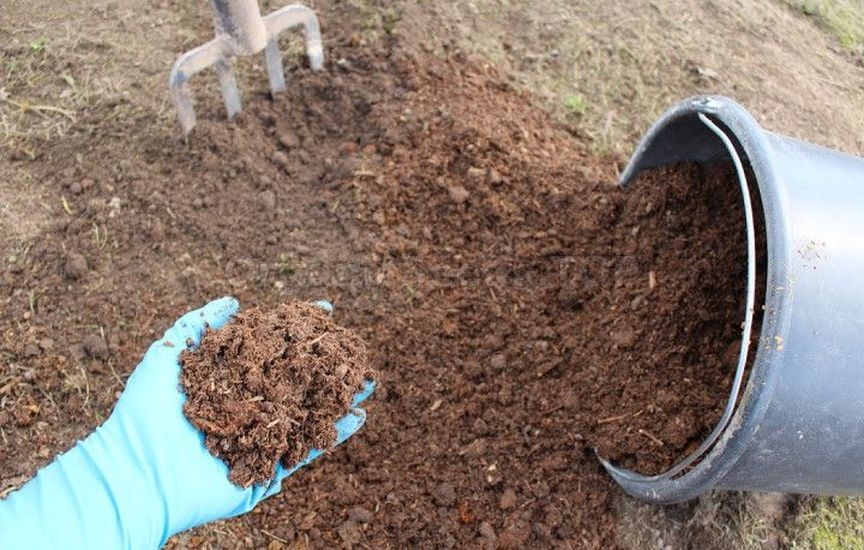 In autumn, after harvesting and removing plant residues, it is recommended to add organic fertilizers to the soil. By the beginning of the spring season, soil microorganisms will partially process the organic matter and convert nutrients into a form accessible to plants. One of the most popular fertilizers is compost. It can be prepared independently from available plant and other organic waste: weeds and mowed grass, fallen leaves and thin branches, vegetable tops, kitchen scraps, manure, and poultry droppings. The nutritional value of compost directly depends on the diversity of its composition. Mature compost prepared according to all rules with a diverse composition will not only significantly increase soil fertility but also make it more friable. 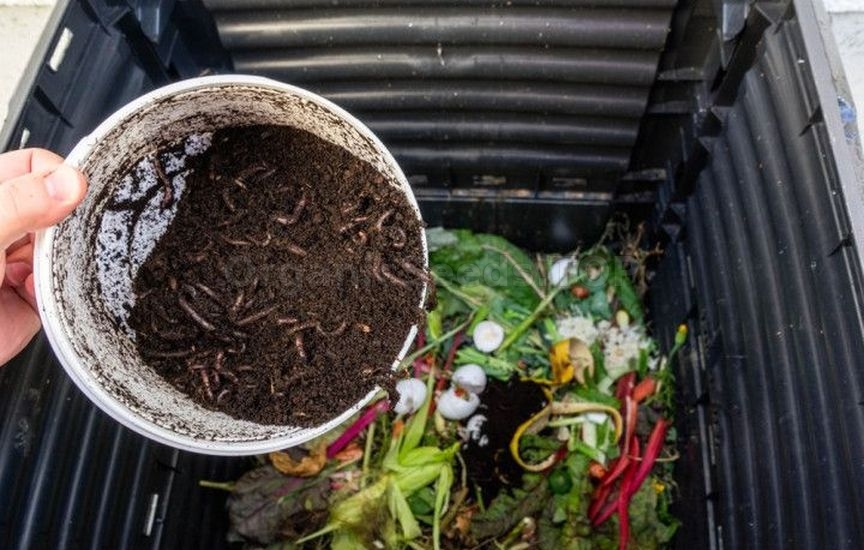 If worms participate in the composting process, the result is vermicompost, also known as biohumus. This organic fertilizer is highly effective and completely safe. It contains a full range of macro- and microelements, as well as plant hormones, enzymes, humic acids, and antibiotic substances. Compared to manure humus and regular mixed compost, biohumus has significantly higher nutritional value. If the application rate for compost from plant residues is 8–15 kg per sq. m, then biohumus requires half as much—about 4–8 kg per sq. m. When calculating the required amount of biohumus, it is important to consider the needs of future plants and the amount of organic matter previously added to the soil. For example, pumpkin crops are more "voracious" compared to others, and for them the rate should not be reduced. 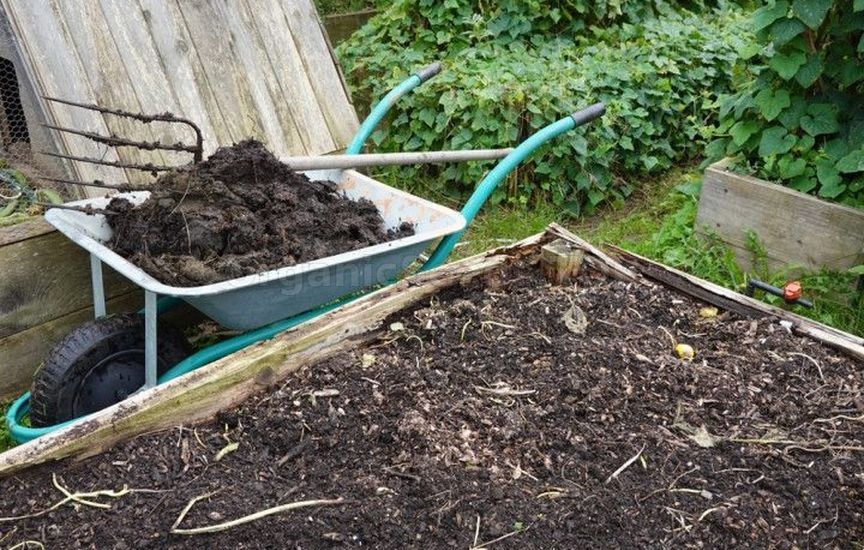 Owners of domestic animals—rabbits, pigs, chickens, or ducks—can use manure as fertilizer. It is recommended to apply it to the garden in the amount of 8–10 kg per 1 sq. m, but it is better to do this before sowing green manure crops, which will help absorb excess nitrogen and accelerate the mineralization process of organic matter. Particular attention should be paid to bedding horse manure and fermentation bedding from poultry houses. They are especially valuable due to the presence of sawdust, which loosens the soil, as well as a large number of beneficial microorganisms. Acidity regulation 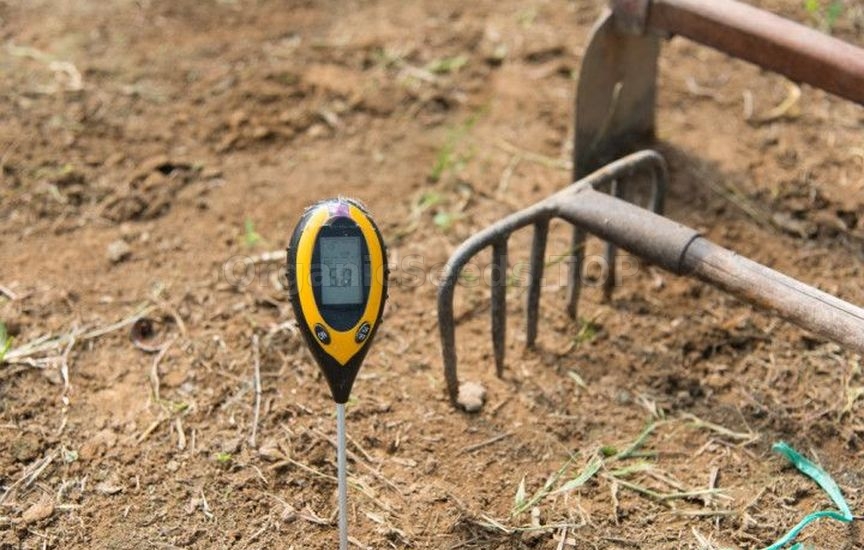 During the cultivation of agricultural crops, soil acidity can change. This is influenced by the quality of water used for irrigation, as well as the application of certain fertilizers. Extreme deviations from the optimal level—excessive acidification or alkalization—negatively affect soil fertility, as under such conditions many nutrients cease to be absorbed by plants. That is why it is necessary to systematically monitor and, if necessary, adjust the acidity of the soil. The acidity level can be determined in various ways. Gardeners have at their disposal both modern devices—submersible pH meters with a metal rod and digital display—and simpler tools, such as pharmacy litmus strips. In addition, there are folk methods—for example, diagnosis by indicator plants. Acidic soils usually host weeds such as buttercup, clover, and field horsetail. Alkaline soils, on the contrary, are preferred by nettle, spurge, plantain, and dead-nettle. 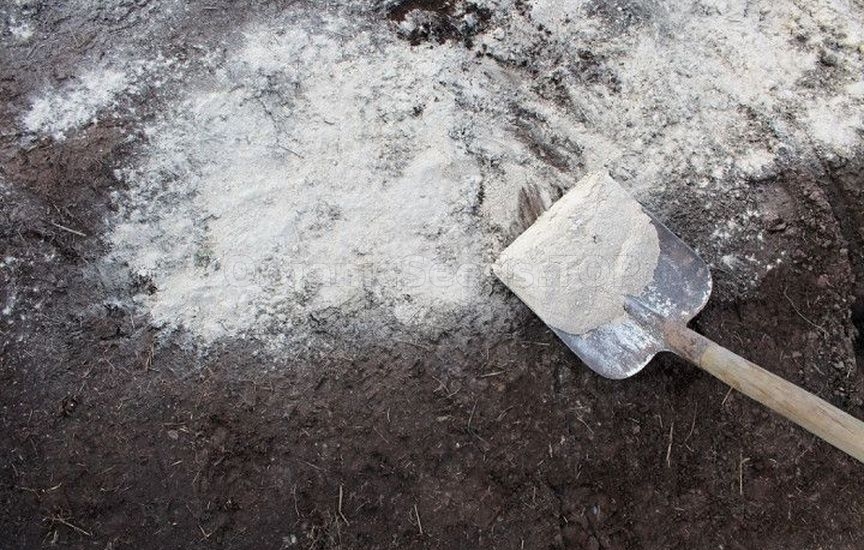 For most cultivated plants, the most favorable pH level is considered to be in the range of 6.0 to 6.5. If measurements show a value below 5.0, this signals the need to reduce soil acidity. When the readings exceed 8.0, acidity needs to be increased. To reduce soil acidity, slaked lime, wood ash, dolomite flour, or chalk is applied. To increase acidity, other methods are used: for example, hydrophilic green manure crops (particularly phacelia) are sown, or mulching is carried out using high-moor peat, coniferous litter, or pine bark. Biological treatment 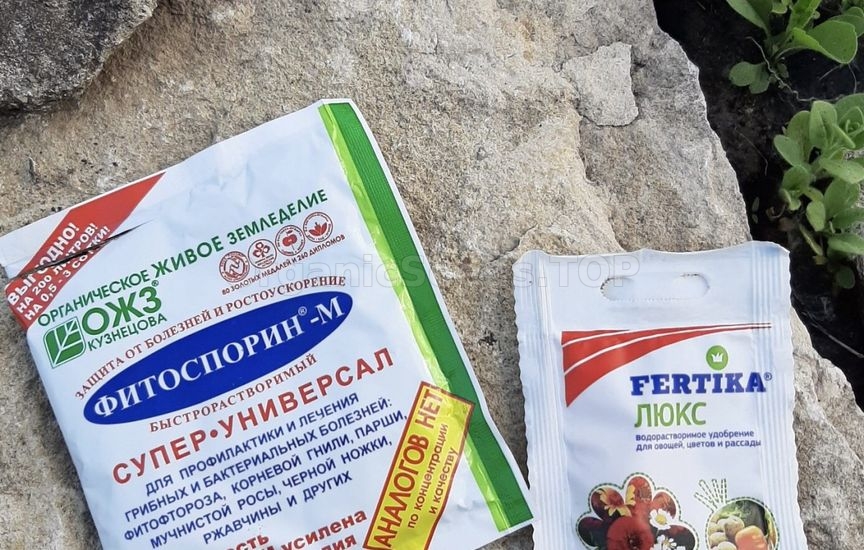 While the daytime air temperature remains above 12–15°C, it is recommended to treat the beds with biological preparations. Such products help activate the life activity of beneficial soil organisms and help restrain the reproduction of pathogens. Before starting treatment, the top layer of soil should be slightly loosened. If the soil is overdried, it should be moistened with clean settled water or an infusion of weeds diluted in a ratio of 1:10. Moist soil, rich in organic substances, will create favorable conditions for the reproduction of earthworms and beneficial microorganisms that play an important role in maintaining fertility. As treatment agents, you can choose biofungicides based on Bacillus subtilis or Trichoderma—for example, Fitosporin-M. The live microorganisms they contain not only inhibit the development of pathogenic phytopathogens but also participate in the synthesis of amino acids and enzymes. 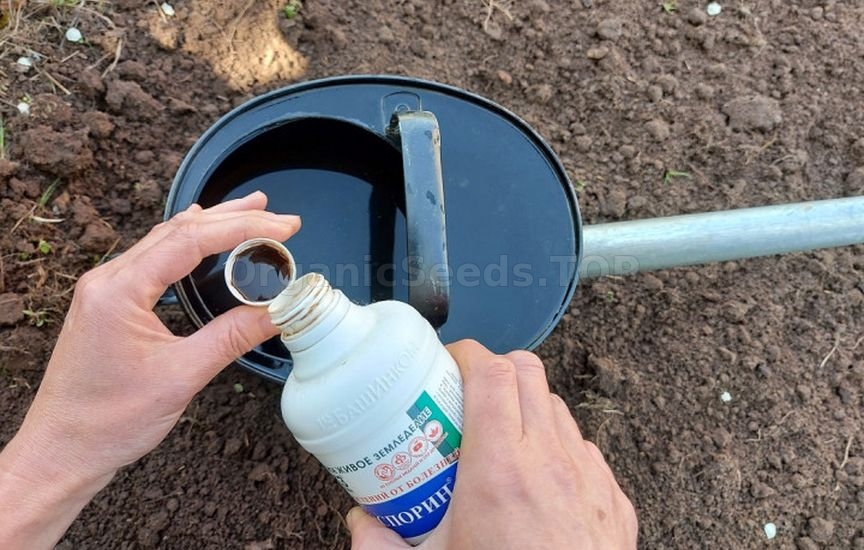 If weather conditions suitable for the use of biological products are missed, but treatment against accumulated soil pathogens is still necessary, industrial fungicides are used. These products are effective even at low positive temperatures, but they destroy not only harmful but also beneficial soil bacteria. Therefore, after using fungicides, it is advisable to water the soil with a solution of any EM preparation—a product containing effective microorganisms that populate the fertile layer, accelerate the decomposition of organic matter, and convert nutrients into a form accessible to plants. Among EM preparations, Baikal EM1 and Siyaniye are most commonly used. They can be applied not only in autumn but also in spring—during bed preparation, as well as directly into planting holes when transplanting seedlings. To paraphrase a well-known saying: underfeeding the bed means underfeeding the table. "Feed" and restore the soil so that it continues to feed you. You may need:Green manure seedsOrganic fertilizers |
|
|