
 EXCLUSIVE


Zambianus (Zambianus Cucumis) - Organic Cucumber Seeds
3.00 €
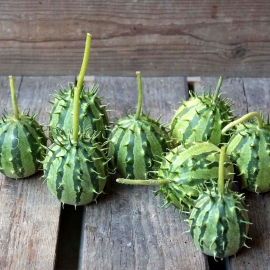
This horned cucumber plant is a annual vine, 1.5 to 3m long of African origin. The stem is angular, ridged and hairy; internodes are 5-8cm long. At each node, a 2.5 to 5cm long curling tendril forms, along with two to four pale yellow male flowers.
-
Organic Zambianus (Zambianus Cucumis)
This horned cucumber plant is a annual vine, 1.5 to 3m long of African origin. The stem is angular, ridged and hairy; internodes are 5-8cm long.
At each node, a 2.5 to 5cm long curling tendril forms, along with two to four pale yellow male flowers, a leaf petiole, and occasionally a fruiting branch. The small, deeply cut, five-lobed leaves are similar to those of the watermelon. The fruits have an oblong shape, are 5 to 10cm long, light-green until maturity and have distinctive, long, sharp spines on their exterior.
In Zimbabwe, this cucumber is called 'gaka' or 'gakachika' and it is primarily used as a fruit-snack or salad. It is eaten young, mature green or when ripe - bright yellow/orange (i.e eaten at any stage of its development) and it grows naturally in the fields and also in the bush.
With this product buy
6.10 €
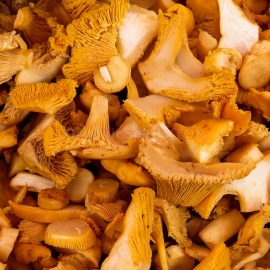
On the lower surface, underneath the smooth cap, most species have gill-like ridges that run almost all the way down its stipe, which tapers down seamlessly from the cap. Many species emit a fruity aroma, reminiscent of apricots.
Product code: 13043
1.14 €
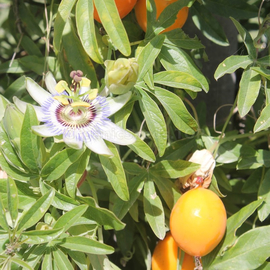
A fast-growing vine with beautiful, lush foliage and edible fruit, grown for its juice, which is often added to other fruit juices for flavor, the fruit contains significant amounts of vitamins and beneficial minerals.
Product code: 13590
4.97 €
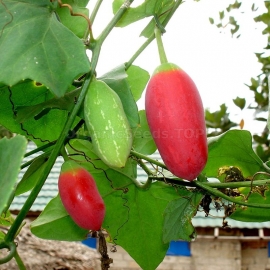
This is a perennial plant of the pumpkin family, which is why it is also called ivy pumpkin, but the fruits are more like cucumbers, grows very quickly, begins to bloom and bear fruit in the second year.
Product code: 15027
1.14 €
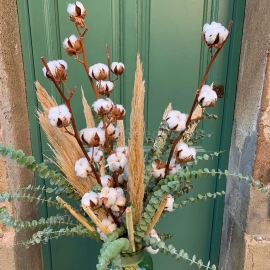
This is a source of plant fiber - cotton, in the overwhelming majority of cases it is this type of cotton that is cultivated to obtain cotton; in our country, the culture is not grown for industrial purposes, but it is planted as an ornamental crop.