
 NEW
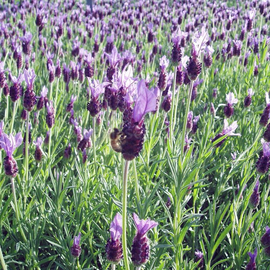
Organic Purple Broadleaf Lavender Seeds
1.14 €
A perennial ornamental plant with incredible flowers and an elegant aroma, numerous shoots form a dense and compact bush from a pyramidal to spherical shape, up to 60 cm high, the flowers are very fragrant.
-
Total Comments: 0
With this product buy

Product code: 6776
1.14 €
An annual herb with a thin taproot and an erect tetrahedral, branched stem 40-60 cm high.

Product code: 10220
1.14 €
With a stronger, more aromatic flavor and scent than regular oregano, it is one of the most important herbs of Italian, Greek and Mexican cooking. The flavor stands up to bold flavors like tomatoes, onion, garlic and beef.

Product code: 10509
1.14 €
Greater celandine has an erect habit, and may reach 30 to 120 cm high. The leaves are lobed and crenate, 30 cm long. The sap is yellow to orange. The flowers consist of four yellow petals, each about 1 cm long, with two sepals.

Product code: 15776
1.14 €
An early-ripening variety, it blooms from July to August, the seeds have a pleasant taste and aroma, reminiscent of the aroma of strawberries, due to their decorative properties, they can be used in floriculture to decorate lawns, flower beds.
Products Viewed Before

Product code: 11051
1.14 €
Here is another hardy perennial that is grown from Helenium seed. Commonly called Mountain Helenium, Orange Sneezeweed or Owl's Claws, this Helenium Hoopesii grows from a taproot, so propagation from flower seeds is recommended.

Product code: 2708
1.14 €
The easy-to-grow dill weed has become an essential ingredient in cuisines around the world. Pretty, feathery, blue-green foliage is a favorite flavoring in many dishes and dressings. Dill seeds can be used for pickling.

Product code: 6743
1.14 €
This is large-leafed Italian basil. A premier variety originally developed for professional growers, but it is also uniquely suited to home gardeners who want to harvest big, exceptionally flavorful crops in a minimum of space.

Product code: 3374
2.10 €
3.00 € (Sale: 30%)
Though many of the plants in the Hibiscus genus grow in tropical or semitropical regions, several hardier species such as this one are native to North America. Experimental gardener Thomas Jefferson included this species of hibiscus in his list.