
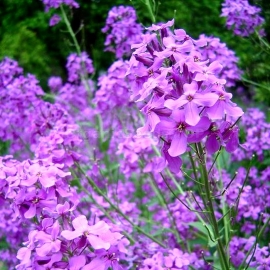
«Violet» - Organic Dame's Rocket Seeds
1.14 €
This classic flower is, unfortunately, not as well-known as it should be. Not only is it beautiful, but it is very easy to grow from seed. Dame’s Rocket is also very resilient and can be successfully planted in both sun and shade.
-
Organic Dame's Rocket «Violet»
This classic flower is, unfortunately, not as well-known as it should be. Not only is it beautiful, but it is very easy to grow from seed. Dame’s Rocket is also very resilient and can be successfully planted in both sun and shade.
Plant Dame's Rocket Seeds: Direct sow into prepared seed beds that have been cleared of weeds and have had the top 1 in. of soil loosened. Rake seed in. Press into soil by walking over the area. Keep moist until germination. Can be started indoors in 2 in. containers.
Grow Dame's Rocket: Full or part sun, light shade in hottest climates. Prefers ample water, tolerates moderate water, average garden soil. Flowers elicit a delightful, sweet, clove-like fragrance at night. Removing old flowers promotes bloom, limits self-sowing. Attracts bees, butterflies and hummingbirds. "Rocket" is the name plants were originally given due to their speedy spring growth. Plants are deer resistant.
Products Viewed Before
Product code: 4410
1.14 €
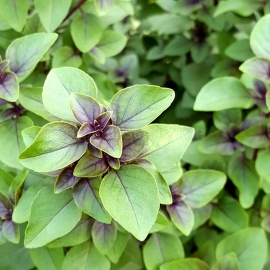
Ocimum sanctum is a very aromatic species that is used as an incense and for flavouring. Also known as Holy Basil. The herb is warming, has antiseptic qualities, reduces fever and inflammation, clears bacterial infections.