
 NEW
EXCLUSIVE


Reusable smoke and tar filter mouthpiece
9.90 €
The smoking mouthpiece is made from a combination of different materials: acrylic, copper, and steel. Unlike disposable mouthpieces, this model can be cleaned and washed after smoking your favorite tobacco.
-
Total Comments: 0
With this product buy

Product code: 1742
1.14 €
Breeded in 1983 by the Ukrainian Academy of Agrarian Sciences, the method of interspecific and intraspecific hybridization with the participation of varieties: American 572 + American 361.

Product code: 10115
1.14 €
There are a number of common names in use for this species including: Wild Tobacco, Shamanic Tobacco, Erowid Tobacco or Aztec Tobacco. In South America it is traditionally called Mapacho. Midewiwan Sacred Tobacco is an annual.

Product code: 10131
1.14 €
It has a unique aroma of prunes with a vanilla plume, is easily fermented, very unpretentious, mainly used as a pipe.

Product code: 10133
1.14 €
'Zimmer Spanish' is an old cigar binder-type variety dating back prior to 1880. It is said to be an improved "Havana-type" like 'Wilson's Hybrid'. The suckered plants reach about four feet in height producing fourteen to twenty quality leaves per plant.
Products Viewed Before
Product code: 246
1.14 €
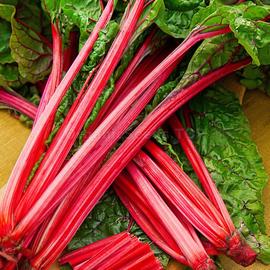
Mid-ripening variety, 85-90 days old, young leaves and petioles can be collected 40-45 days after germination, rosette of leaves is erect, up to 50 cm high.

Product code: 15984
1.14 €
A popular annual plant, the bush is compact, upright, 60-70 cm high, the flowers are large, up to 10 cm in diameter, raspberry-red in color, blooms from mid-August until the onset of cold weather.

Product code: 11333
1.39 €
In just 110 days from direct sowing, this HEIRLOOM grows 3.6m (12′) tall. Its 60cm (24″) flowers produce delicious and nutritious sunflower seeds, or they can be dried and hung in the garden as a natural bird feeder.

Product code: 2874
1.14 €
The Heart Nut tree is named for the shape of the nut - a flattened heart-shaped nut that easily splits into two halves, like two sides of a locket. Native to Japan, it is also known as Japanese Walnut, but it is well suited to our Northern climates.